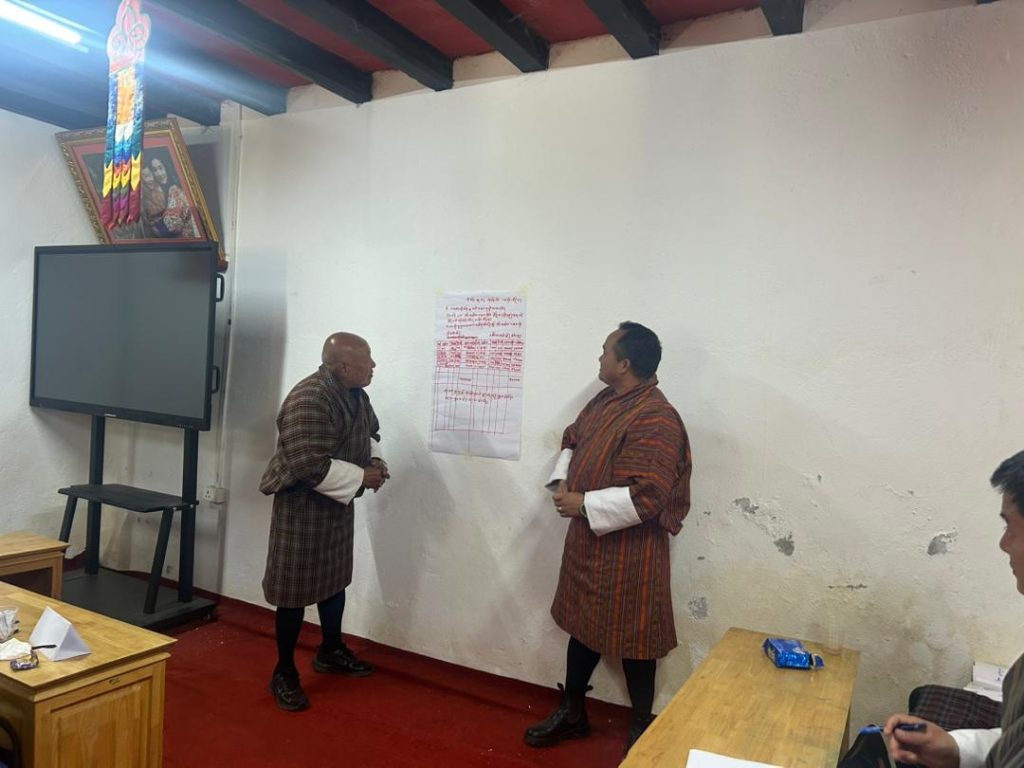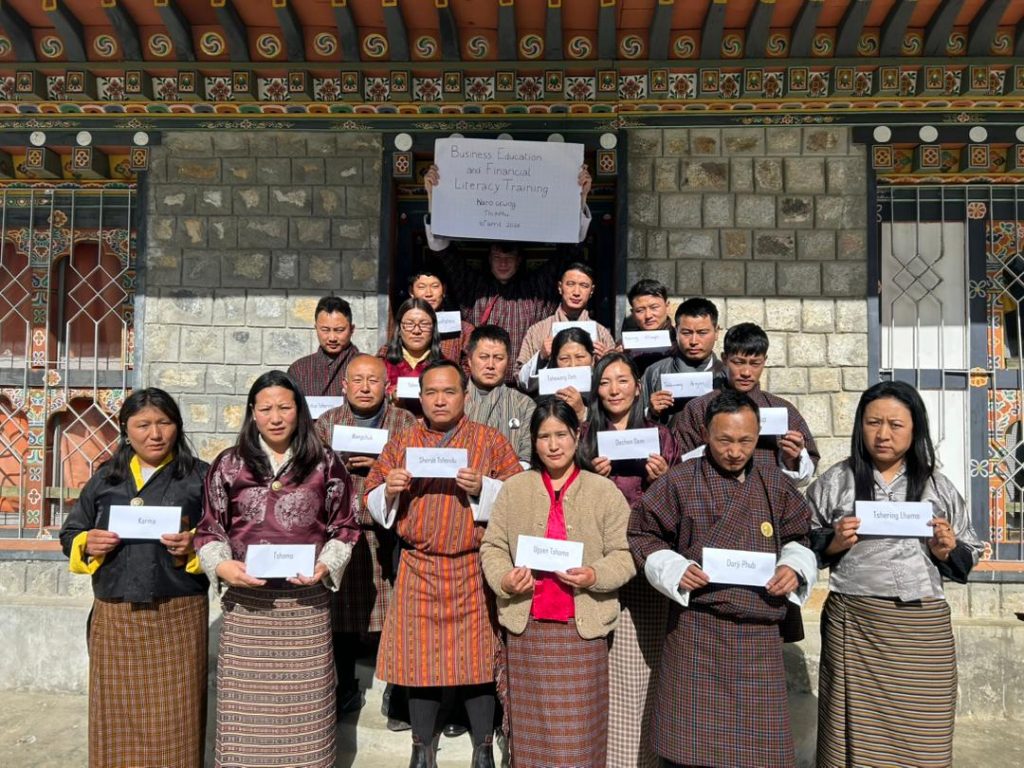
A Business Education and Financial Literacy Training was successfully conducted for members of the Naro community, bringing together 16 participants for an interactive and practical learning experience aimed at strengthening entrepreneurial capacity and financial confidence.
The training was organized in two complementary components, Business Education and Financial Literacy, to support community members in developing sustainable livelihood opportunities while improving everyday financial management skills.
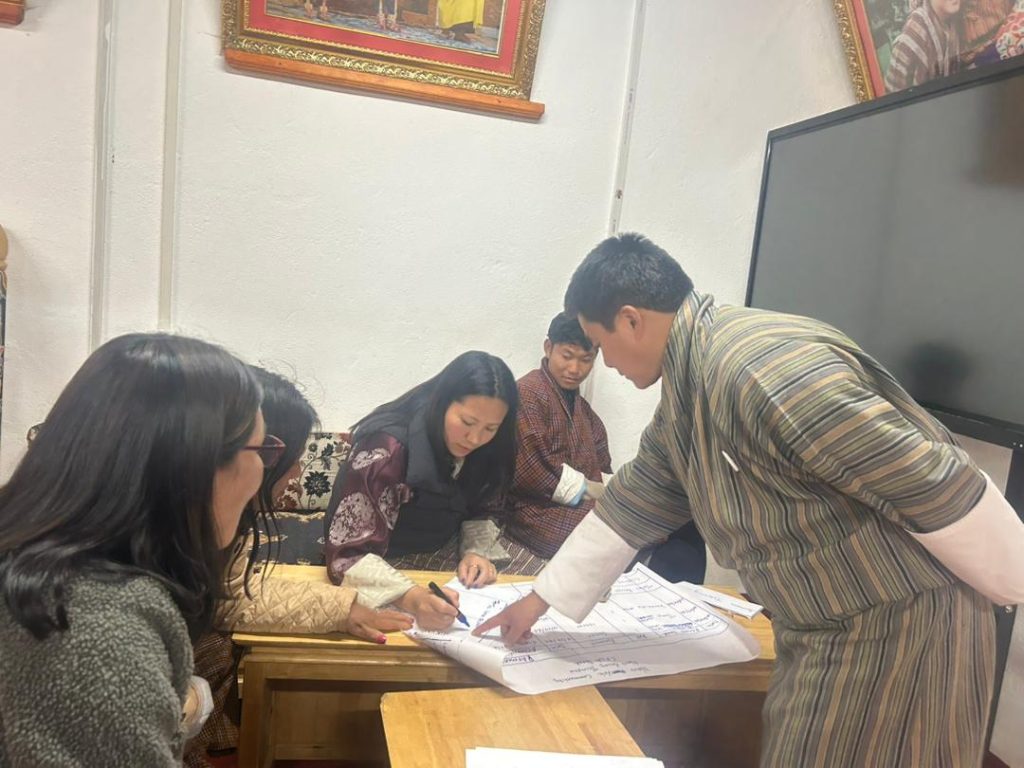
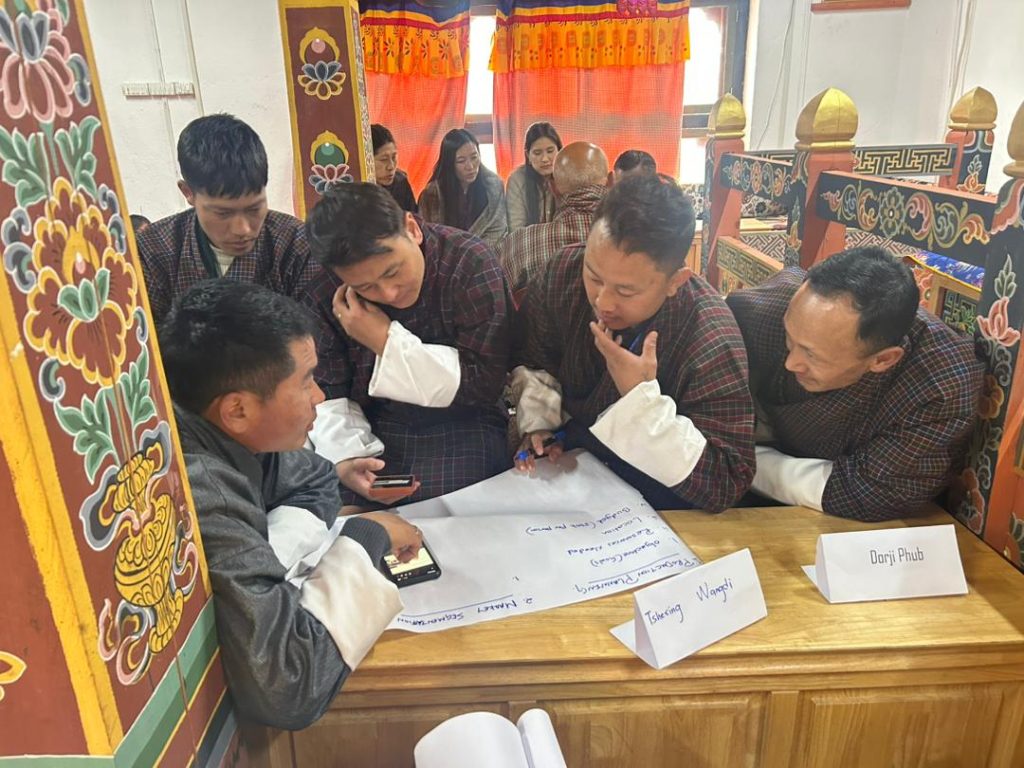
During the Business Education sessions, participants explored essential aspects of community-based enterprise development, including production planning, market segmentation, and product value addition through grading, packaging, and presentation. The sessions were highly participatory, with group-based practical exercises using locally available products, enabling participants to apply concepts directly to their own contexts and experiences.
The Financial Literacy component introduced participants to Bhutan’s financial ecosystem, including the role of the Royal Monetary Authority and various financial and microfinance institutions. The sessions focused on practical financial management skills, emphasizing the importance of savings, emergency preparedness, responsible borrowing, and informed financial decision-making.
One of the key highlights of the training was the hands-on record-keeping exercise, where participants learned how to maintain important financial documents such as receipts, stock registers, and cash books. These practical tools are expected to support better tracking of income, expenditures, and business activities at both household and community levels.
The training emphasized experiential learning and active participation, creating an engaging environment for discussion, sharing, and collaboration. Participants expressed increased confidence in managing finances and shared their motivation to improve financial planning and record-keeping practices in their daily lives.
The organizers extended sincere appreciation to the Kawang Gewog Administration for their support and for providing the training venue.
This initiative was conducted under the project “Protecting the Fragile Mountain System and Enhancing Sustainable Livelihoods of Highland Communities in Naro,” supported by the Community Development and Knowledge Management for the Satoyama Initiative (COMDEKS) through the Global Environment Facility Small Grants Programme and United Nations Development Programme Bhutan, and implemented in partnership with the Royal Government of Bhutan.
Through initiatives such as this, communities are being equipped with practical knowledge and skills that contribute to stronger local economies, improved financial resilience, and more sustainable livelihoods in Bhutan’s highland regions.