
Bhutan Participates in Regional Workshop on Developing the South Asian Buddhist Circuit
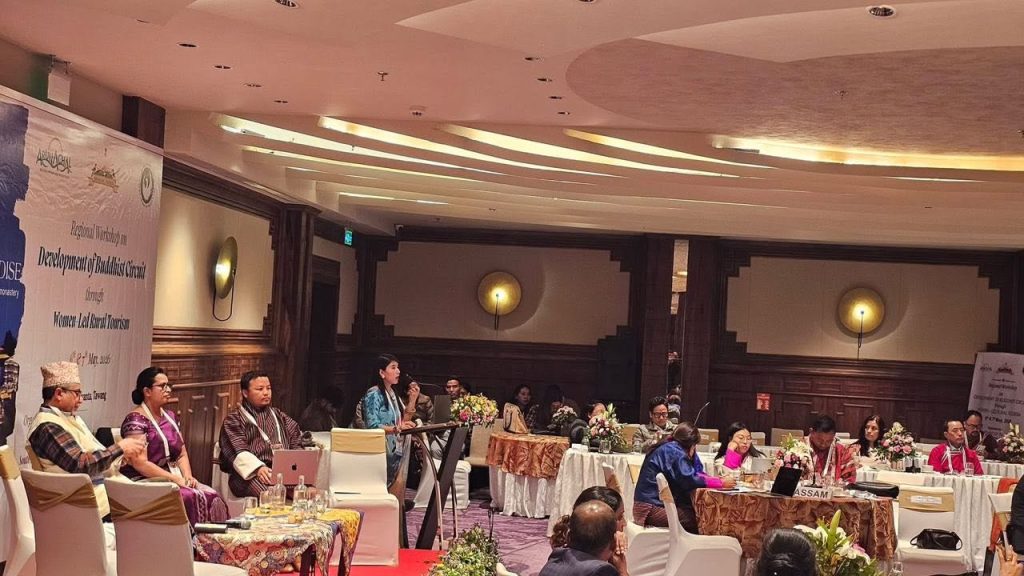
A Bhutanese delegation led by Tarayana Foundation participated in the Regional Workshop on Development of the Buddhist Circuit through Women-Led Rural Tourism, held in Tawang, Arunachal Pradesh, India, from 6–7 May 2026. The delegation comprised representatives from government agencies and the community-based tourism sector, reflecting Bhutan’s commitment to promoting sustainable tourism and regional cooperation.
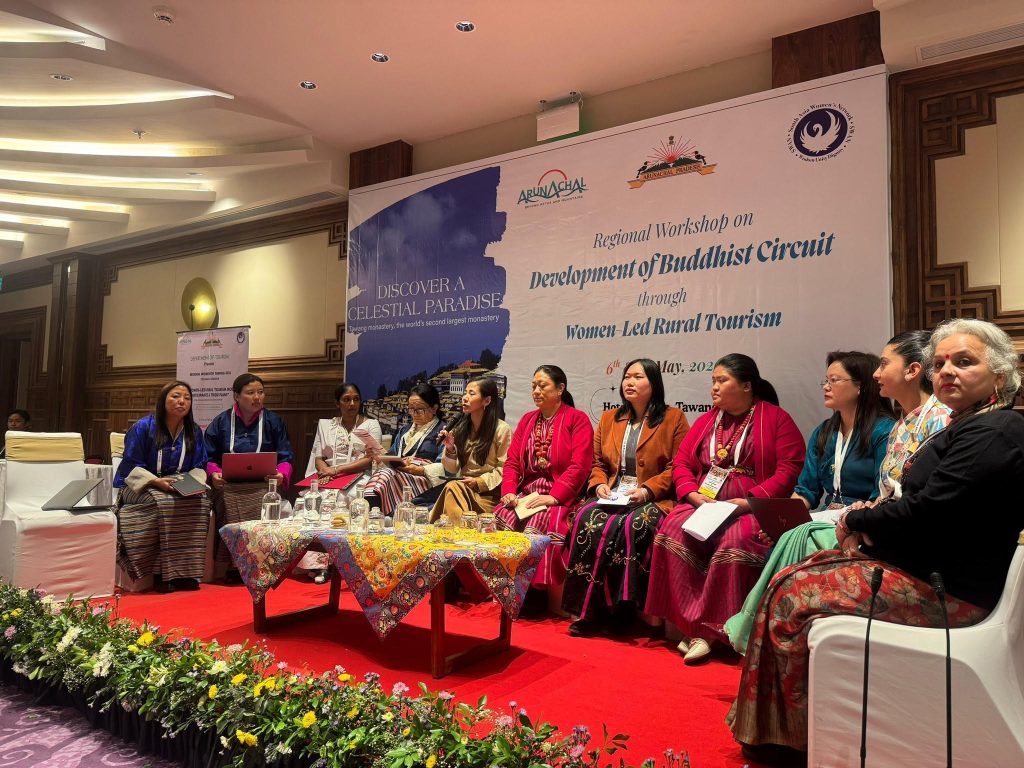
The workshop was jointly organized by the Government of Arunachal Pradesh, the District Administration of Tawang, and the South Asia Women’s Network (SWAN), of which Tarayana Foundation is a member. The event brought together policymakers, tourism experts, women leaders, and stakeholders from Bhutan, India, Nepal, and Sri Lanka to explore opportunities for strengthening regional collaboration through inclusive and sustainable tourism initiatives.
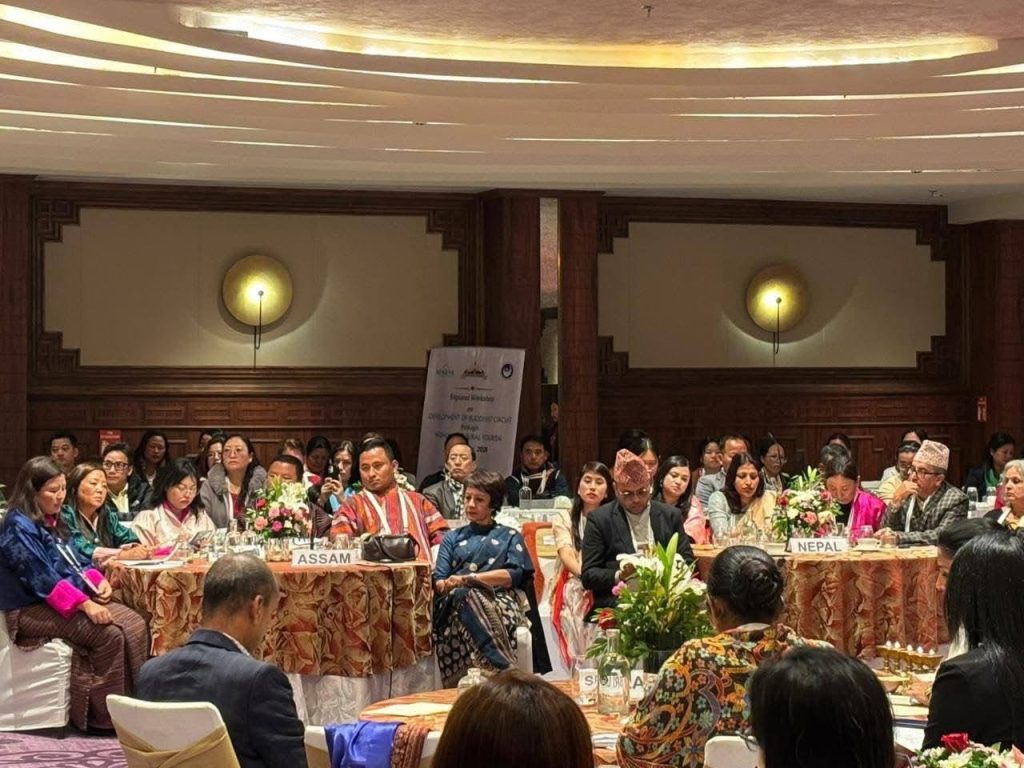
The gathering built on discussions initiated during the SWAN Conference hosted in Bhutan in 2025 and forms part of an ongoing regional dialogue leading up to the next South Asian Conference on Women’s Economic Empowerment, scheduled to be held in Sri Lanka later this year.
Advancing a Shared Vision for the South Asian Buddhist Circuit
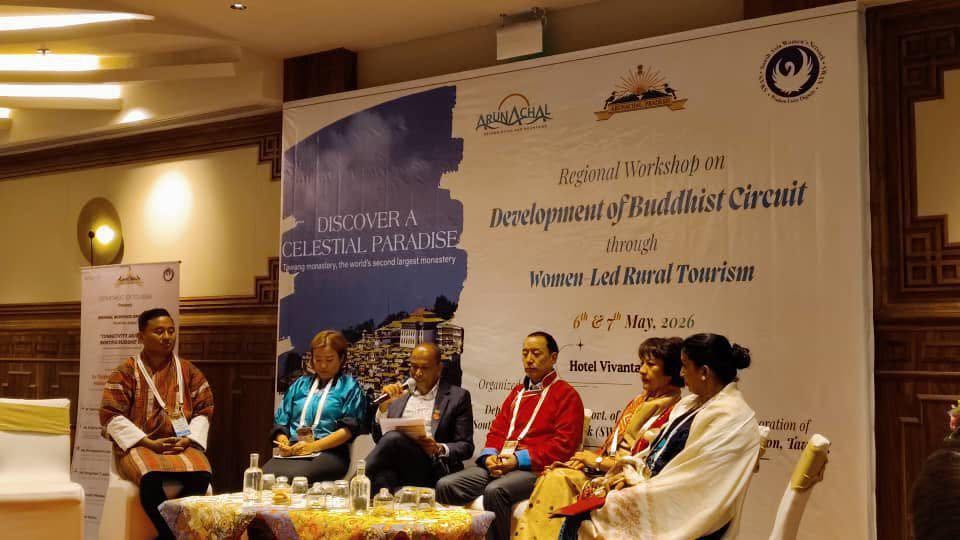
Central to the workshop was the vision of developing a vibrant South Asian Buddhist Circuit linking Nepal, Bhutan, Sri Lanka, and major Buddhist destinations across India through a women-led rural tourism model. Participants explored how tourism can serve as a catalyst for sustainable livelihoods, cultural preservation, biodiversity conservation, regional connectivity, and community empowerment.
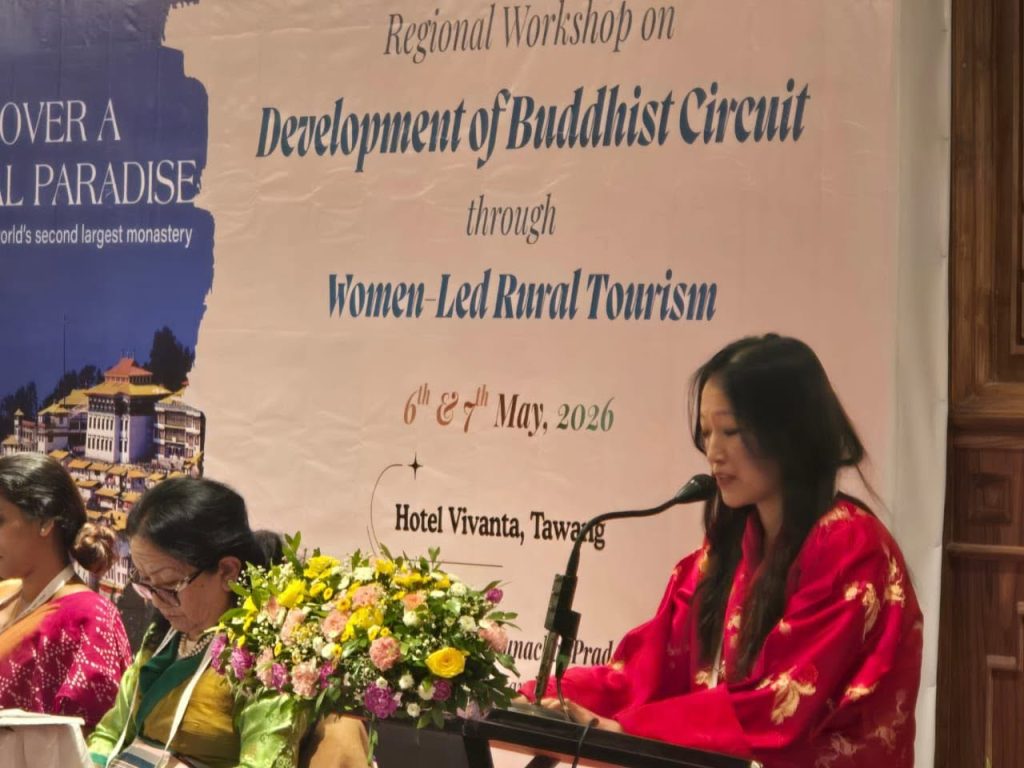
Discussions focused on several key themes, including the development of homestay networks, eco-tourism initiatives, creative and cultural industries, heritage conservation, branding and marketing strategies, and strengthening cross-border tourism cooperation. Participants highlighted the importance of ensuring that local communities, particularly women, play a central role in shaping and benefiting from tourism development.
High-Level Participation and Regional Dialogue
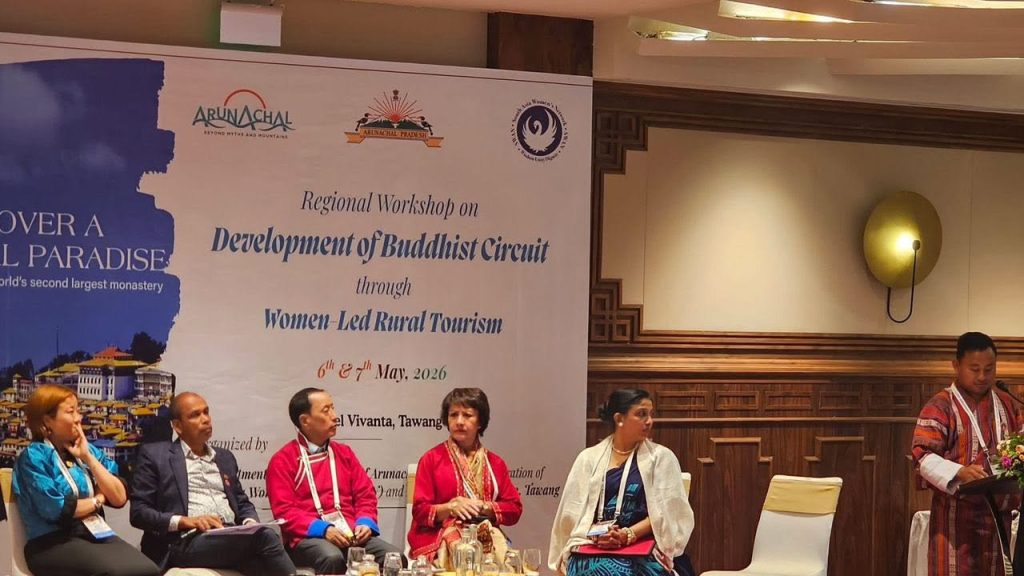
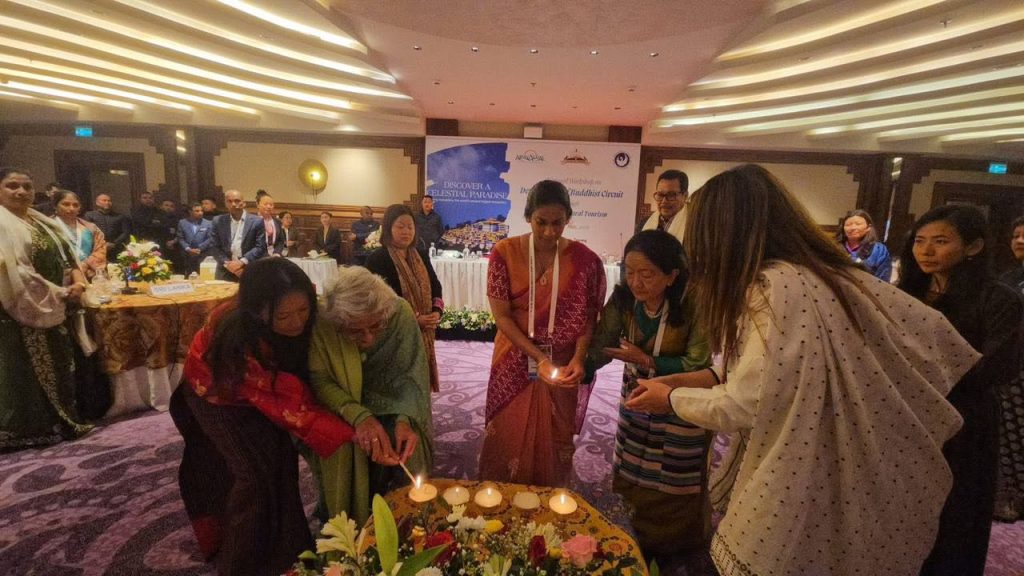
The inaugural session was graced by the Deputy Chief Minister of Arunachal Pradesh, Shri Chowna Mein, and attended by the Minister for Women and Child Development, Science & Technology, and Cultural Affairs, Smt. Dasanglu Pul. The workshop also welcomed policymakers, tourism professionals, representatives from Sikkim and Assam, and women leaders from across Arunachal Pradesh.
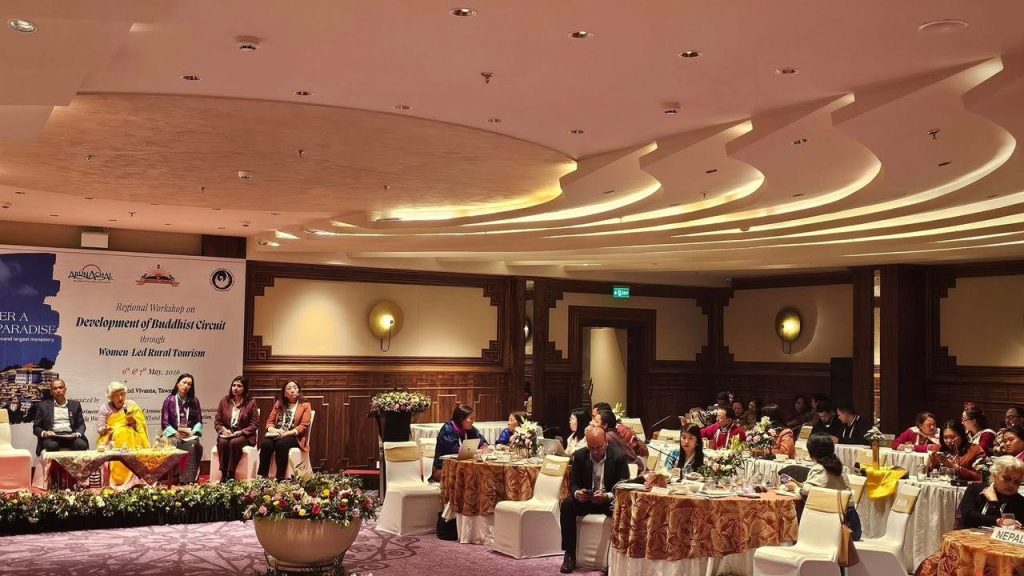
Over two days, technical sessions provided a platform for in-depth discussions on identifying and promoting significant Buddhist heritage sites, enhancing regional tourism linkages, improving connectivity between destinations, and establishing common standards and collaborative marketing approaches for the proposed Buddhist Circuit.
From Vision to Action
The workshop concluded with a shared commitment among participating countries to move from dialogue to implementation. Delegates emphasized the importance of building tourism models that are rooted in culture, spirituality, sustainability, and community participation, while creating meaningful economic opportunities for women and rural communities.
The recommendations emerging from the workshop are expected to contribute to stronger regional cooperation in promoting Buddhist heritage tourism across South Asia. By leveraging shared cultural and spiritual heritage, the initiative aims to foster people-to-people connections, strengthen regional integration, and support local economic development.
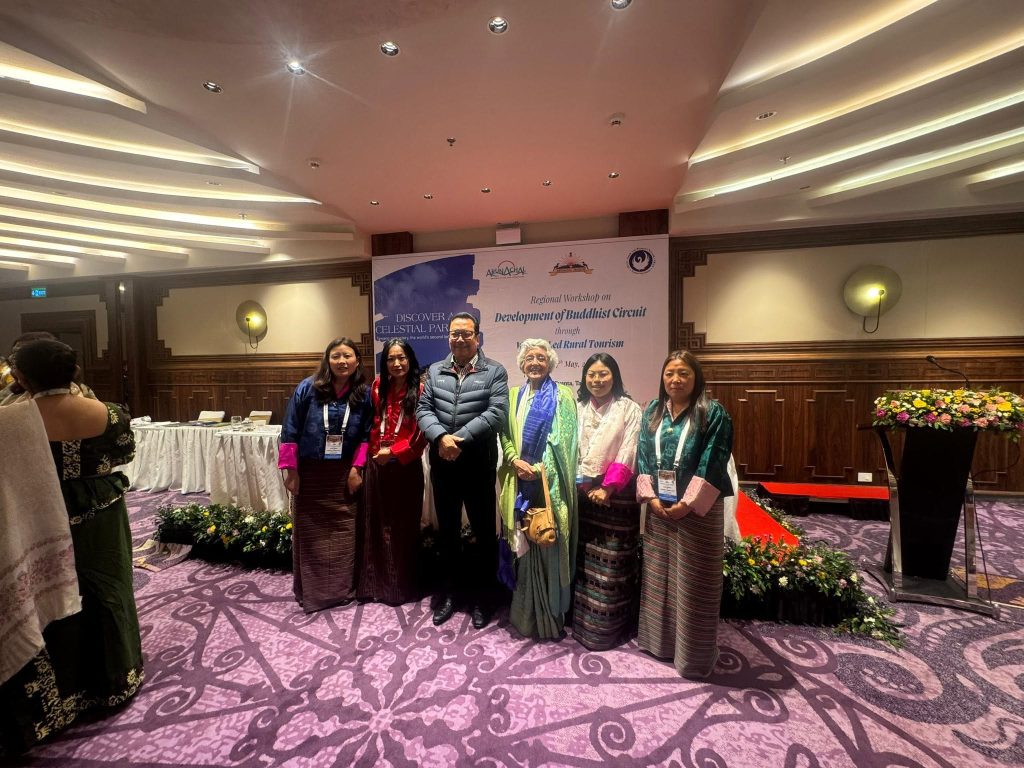
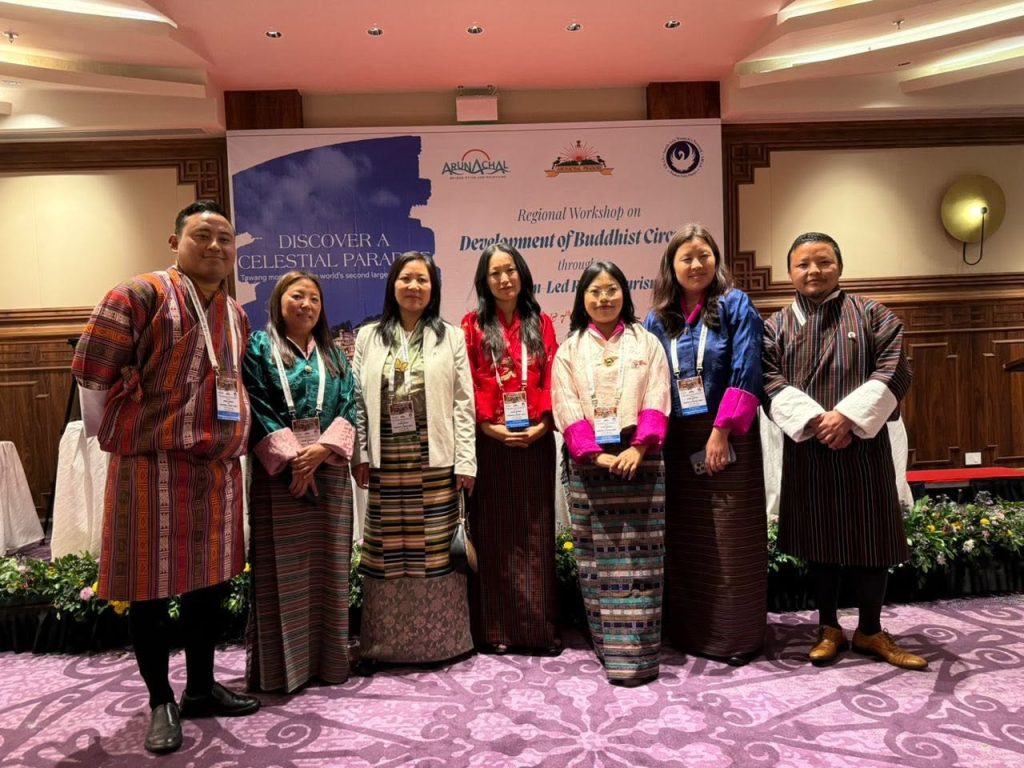
For Tarayana Foundation, participation in the workshop reaffirmed the importance of community-driven and women-led approaches to tourism development. Such initiatives not only generate livelihoods but also help preserve cultural traditions, protect natural landscapes, and empower communities to become active custodians of their heritage.
The workshop provided a valuable platform for dialogue, learning, and partnership-building, further strengthening collective efforts towards inclusive and sustainable development across South Asia.