
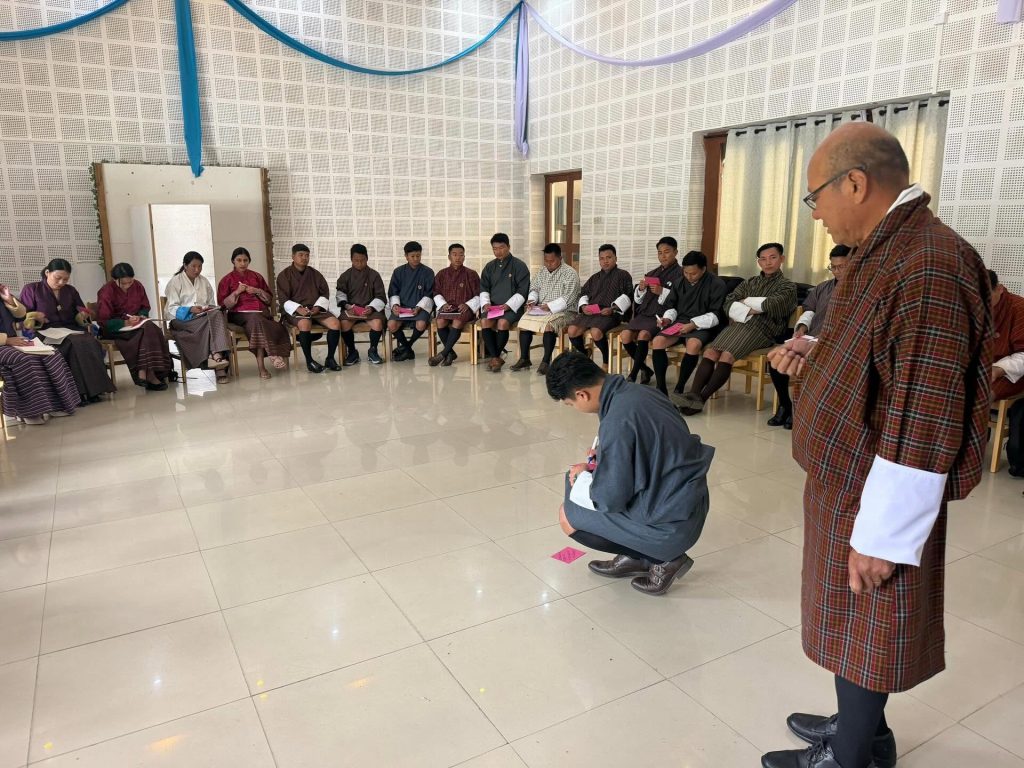
From 18–21 May 2026, the Foundation, in collaboration with the BRECSA Project Management Unit, conducted a capacity-building training for Sanam Japchorpas at the Tarayana Conference Hall, bringing together frontline extension and community support personnel working closely with farmer groups and cooperatives across Bhutan.
The training was organized under the Building Resilient and Empowered Communities in Bhutan through Sustainable Agriculture (BRESCA) Project, which seeks to strengthen rural livelihoods, enhance climate resilience, and support the sustainable growth of community-based agricultural enterprises.
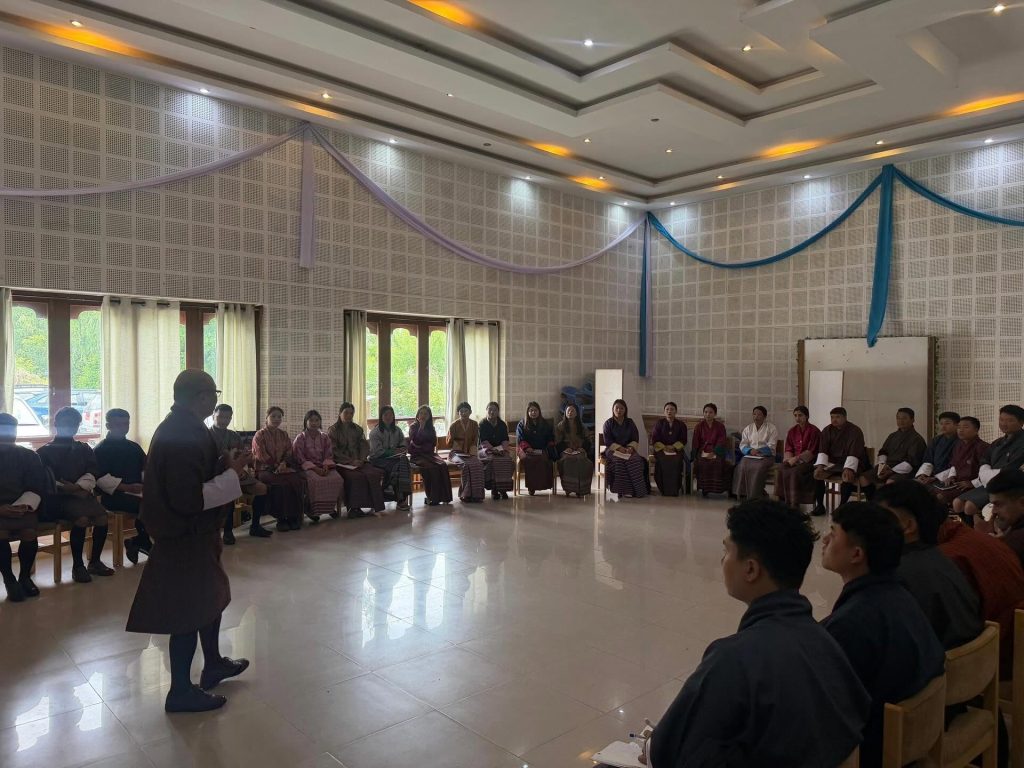
Sanam Japchorpas play a critical role in bridging the gap between farmers, markets, and support services. As farmer groups and cooperatives increasingly transition from subsistence production to commercial agriculture, there is a growing need for local facilitators who can provide technical guidance, strengthen organizational management, and support market-oriented farming practices.
Recognizing this need, the training focused on equipping participants with practical knowledge and skills in key areas essential for strengthening farmer organizations and improving their long-term sustainability.
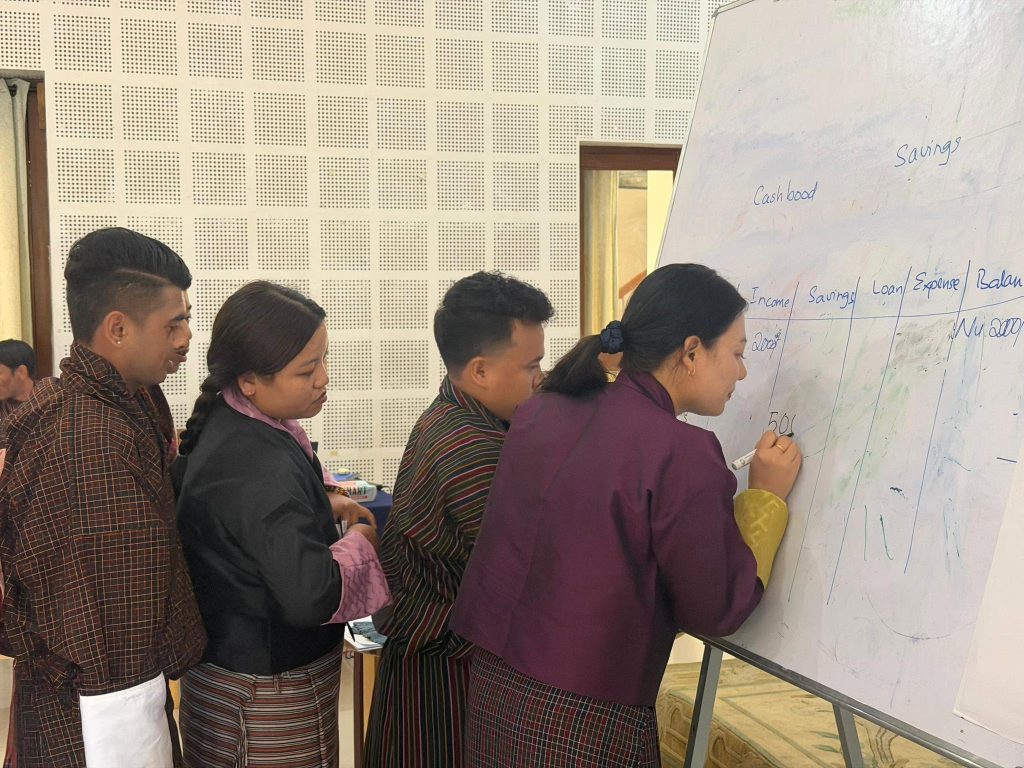
Sessions covered topics including farmers’ group and cooperative management, financial literacy and record keeping, market linkages and business planning, SMART agriculture practices, and report writing. Through interactive discussions, case studies, and practical exercises, participants explored ways to support farmers in improving productivity, managing finances, strengthening governance systems, and connecting to markets more effectively.
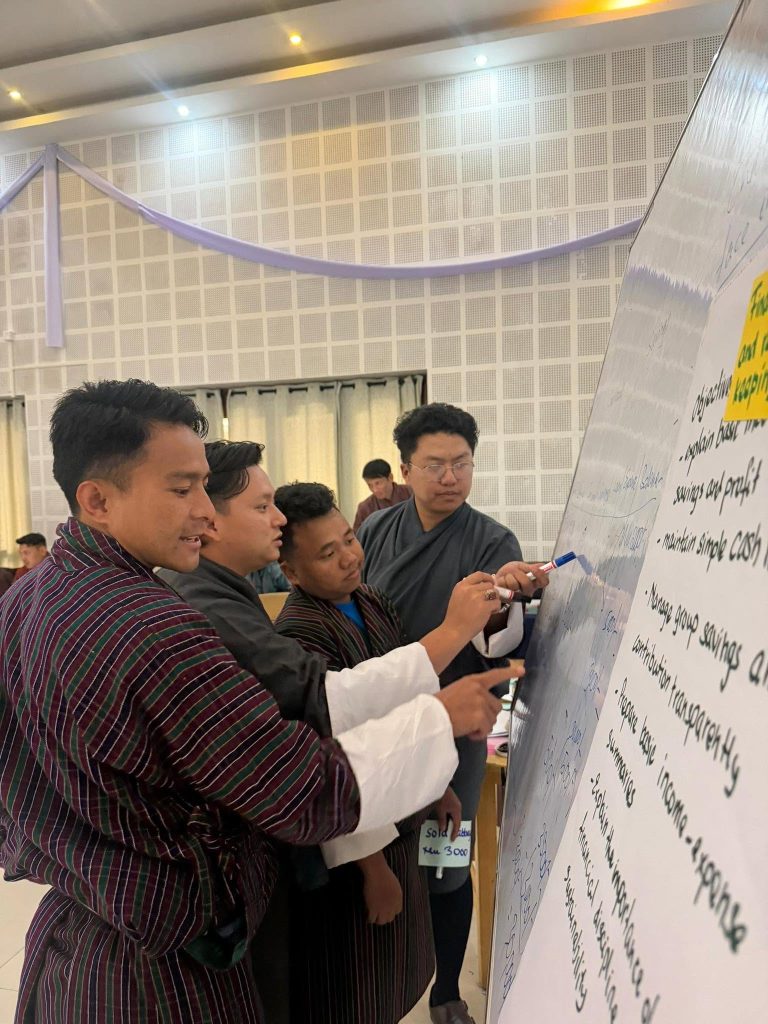
Particular emphasis was placed on helping farmer groups and cooperatives become more self-reliant and business-oriented while maintaining strong community ownership. Participants also discussed the importance of proper record keeping, financial management, and planning in ensuring transparency, accountability, and growth within community organizations.
The training further highlighted the role of climate-smart and sustainable agricultural practices in building resilience against changing weather patterns and emerging environmental challenges. As rural communities continue to face increasing pressures from climate change, strengthening adaptive agricultural practices remains a key priority under the BRESCA Project.
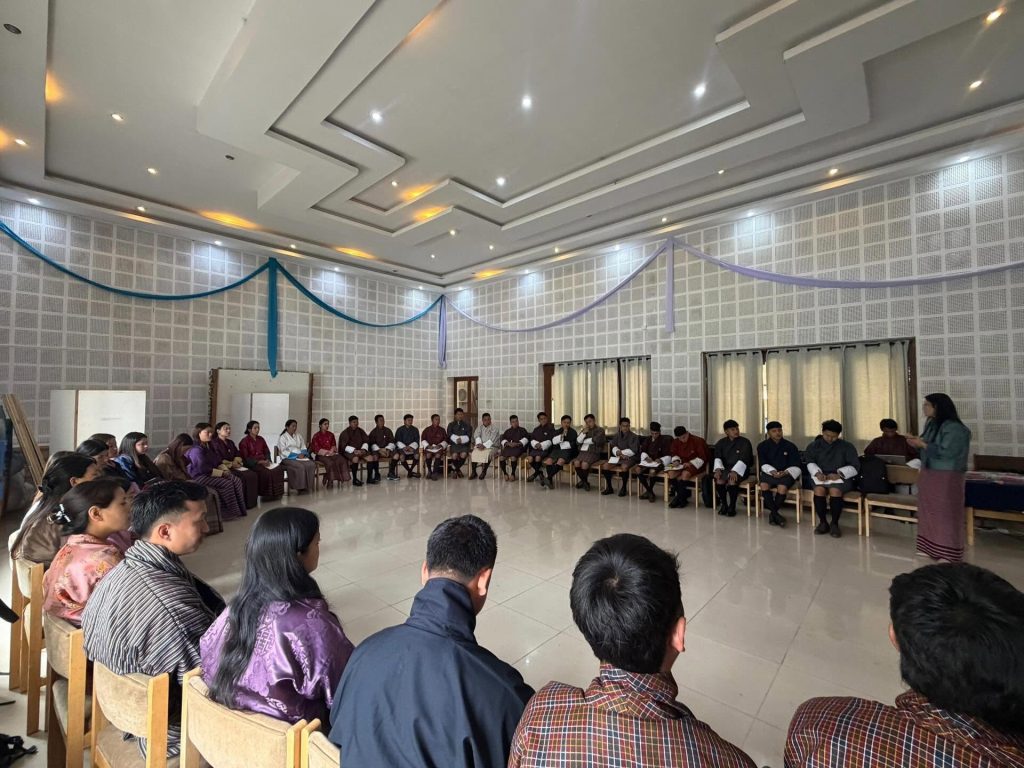
Beyond technical knowledge, the programme provided an important platform for participants to exchange experiences, share lessons learned from the field, and collectively identify solutions to challenges faced by farmer groups and cooperatives across the country.
By strengthening the capacity of Sanam Japchorpas, the training contributes to a broader effort to support the commercialization of agriculture while ensuring that farmer groups and cooperatives remain strong, sustainable, and responsive to the needs of their members.
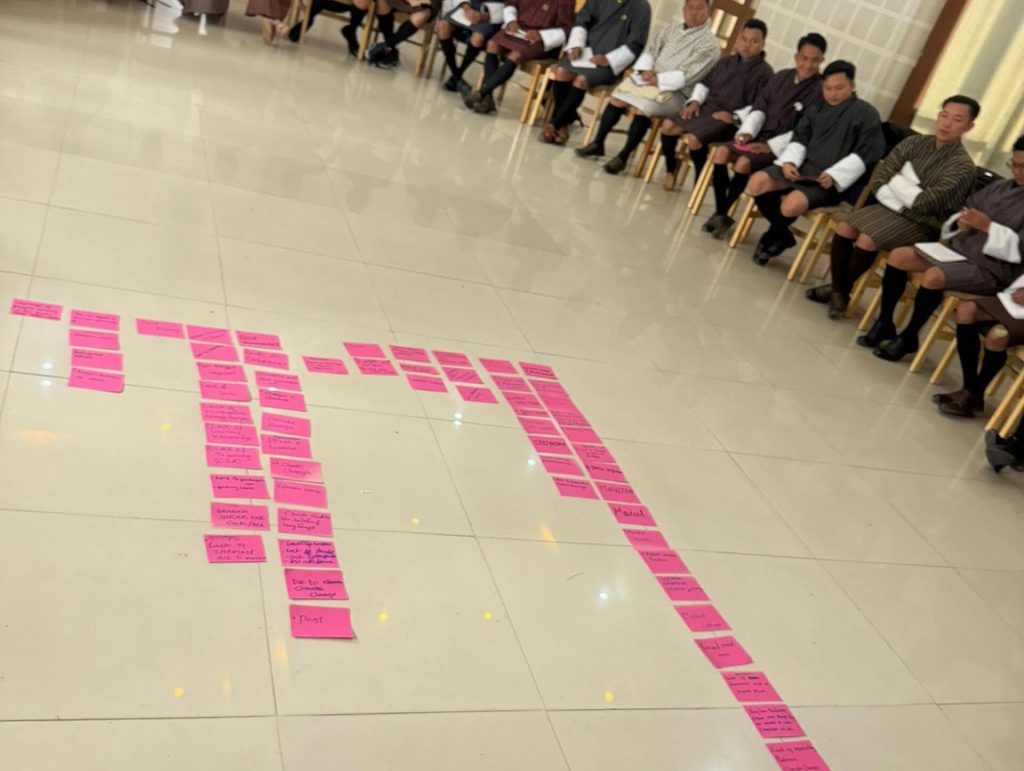
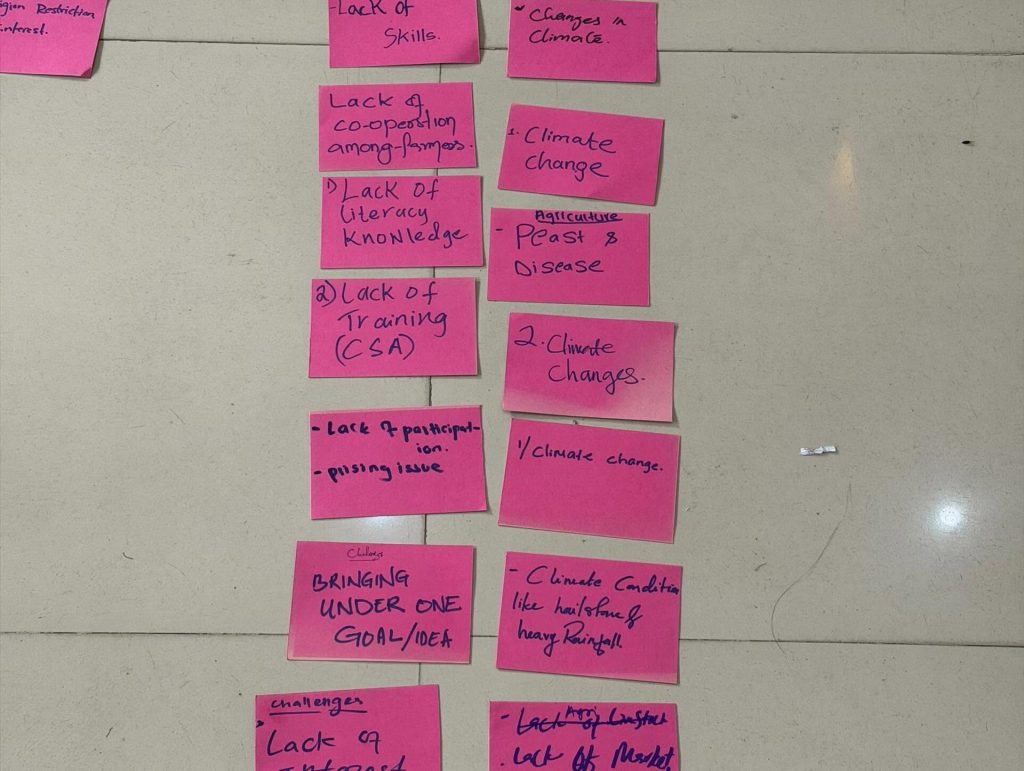
As Bhutan’s agricultural sector continues to evolve, empowered local facilitators will remain essential in helping communities access opportunities, improve livelihoods, and build resilient rural economies.
Through initiatives such as this, the BRESCA Project continues to invest in people, knowledge, and community institutions, laying the foundation for a more sustainable, resilient, and prosperous agricultural future for rural Bhutan.