
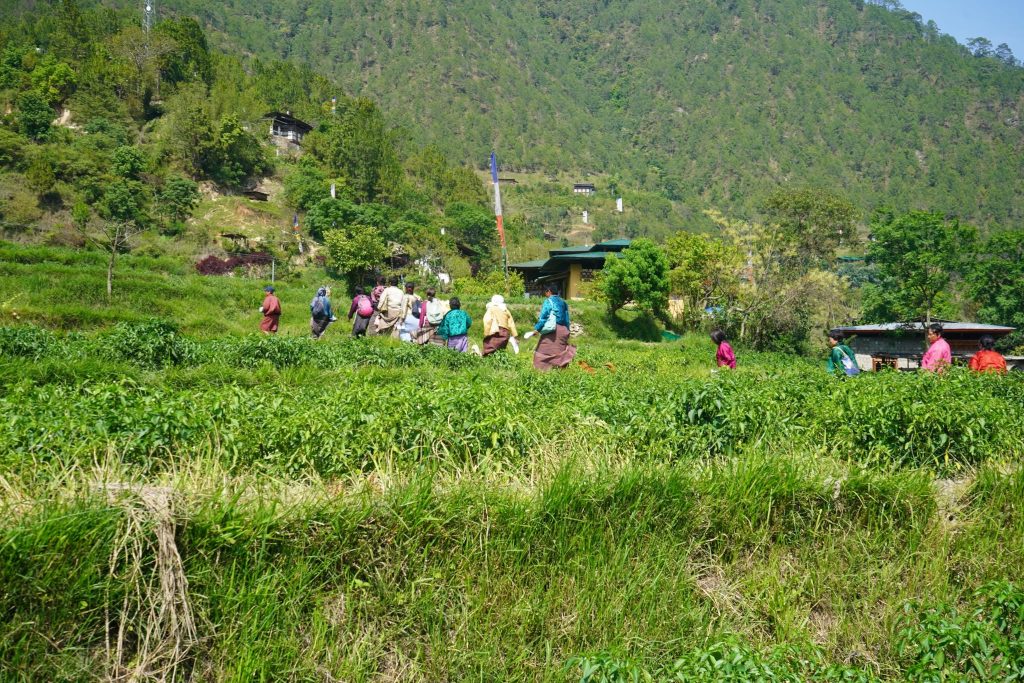
For two days, on 12th and 13th May 2026, the Yebisa community came together in a spirit of learning, reflection, and shared responsibility to deepen their understanding of agrobiodiversity and its importance in sustaining life, livelihoods, and culture.
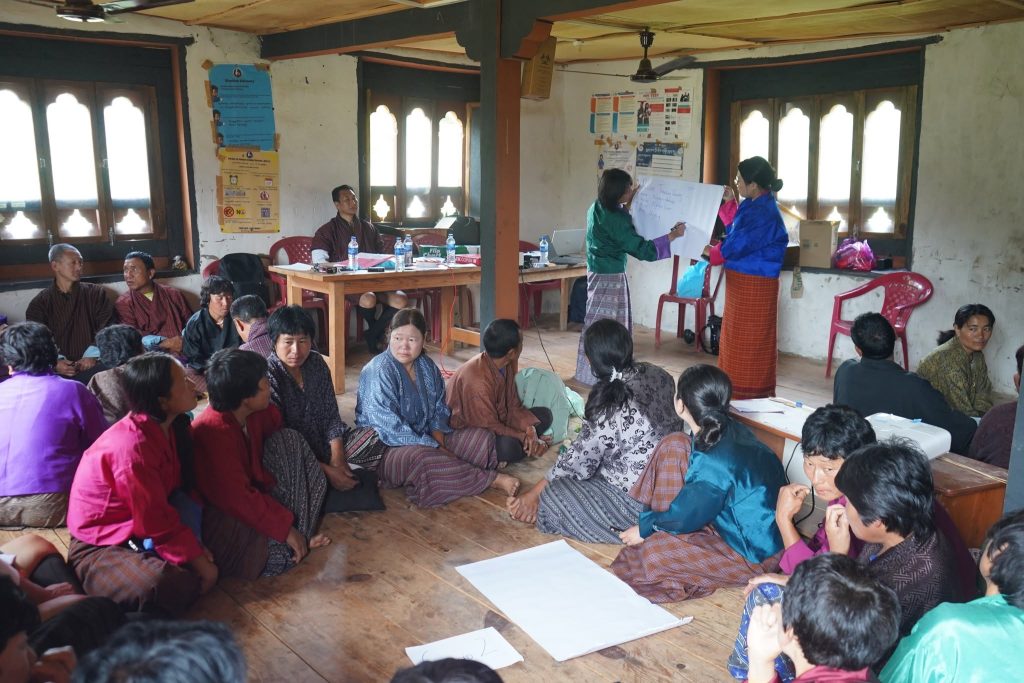
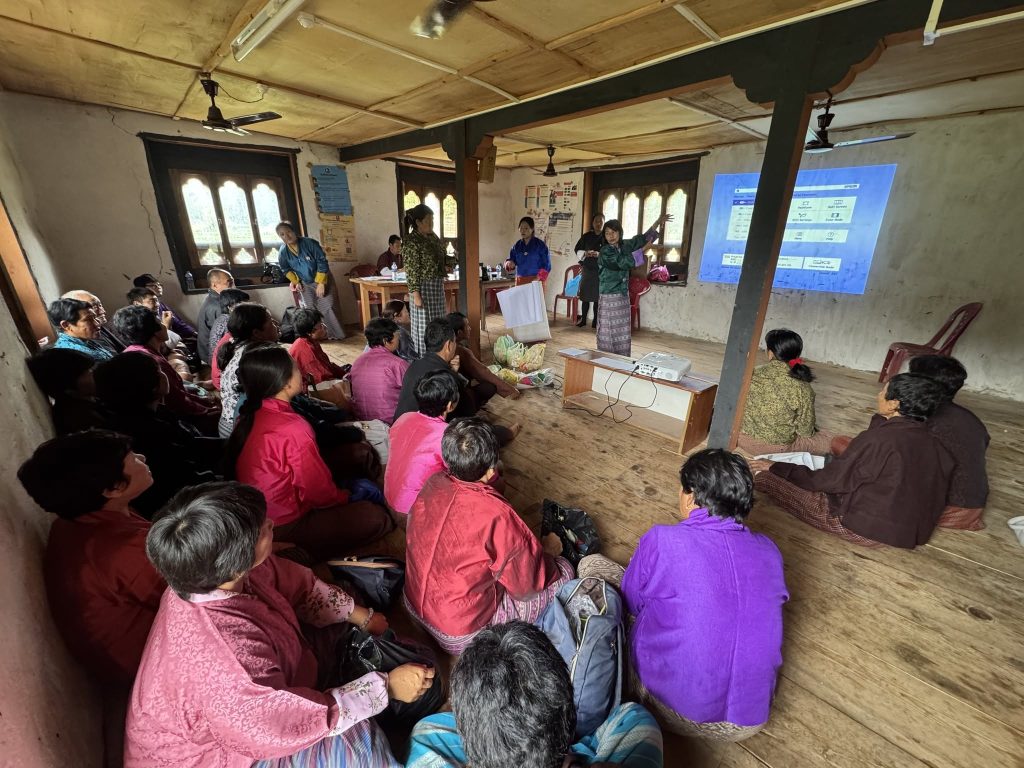
The training on “Biodiversity and Its Importance”, facilitated by Dr. Asta M. Tamang from the National Biodiversity Centre, brought together more than 45 community members. The majority of participants were women, whose active engagement, curiosity, and knowledge-sharing made the sessions both meaningful and inspiring.
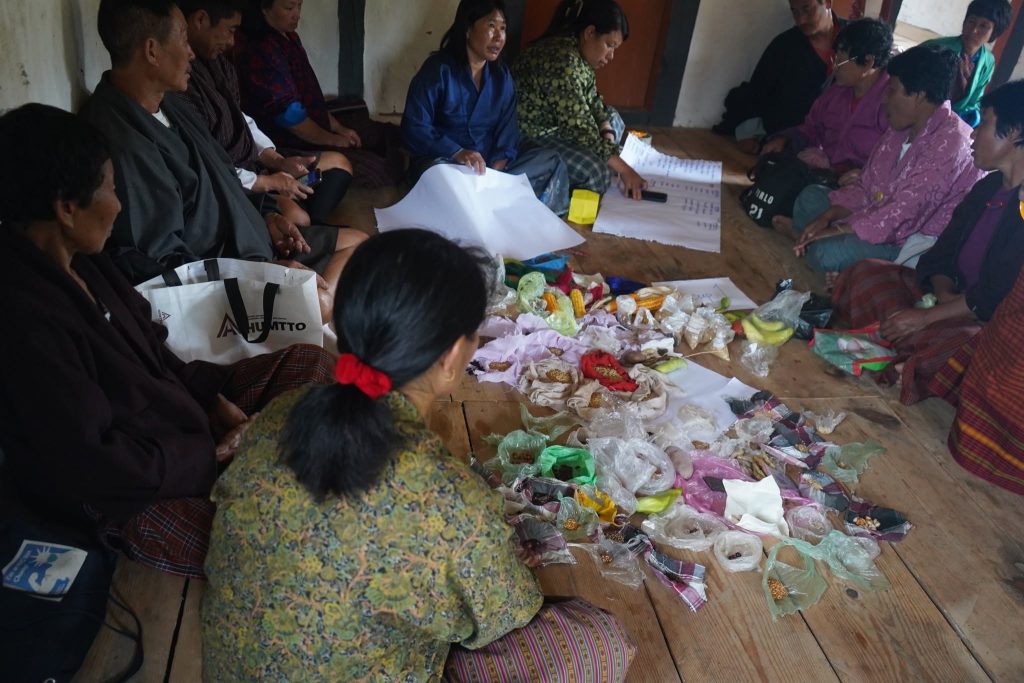
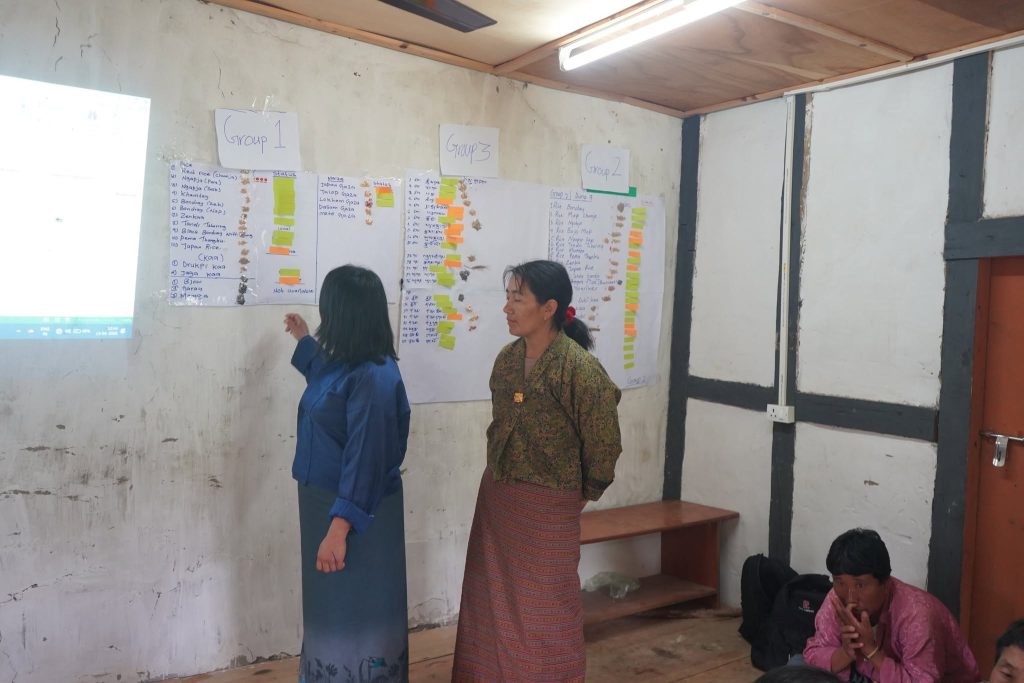
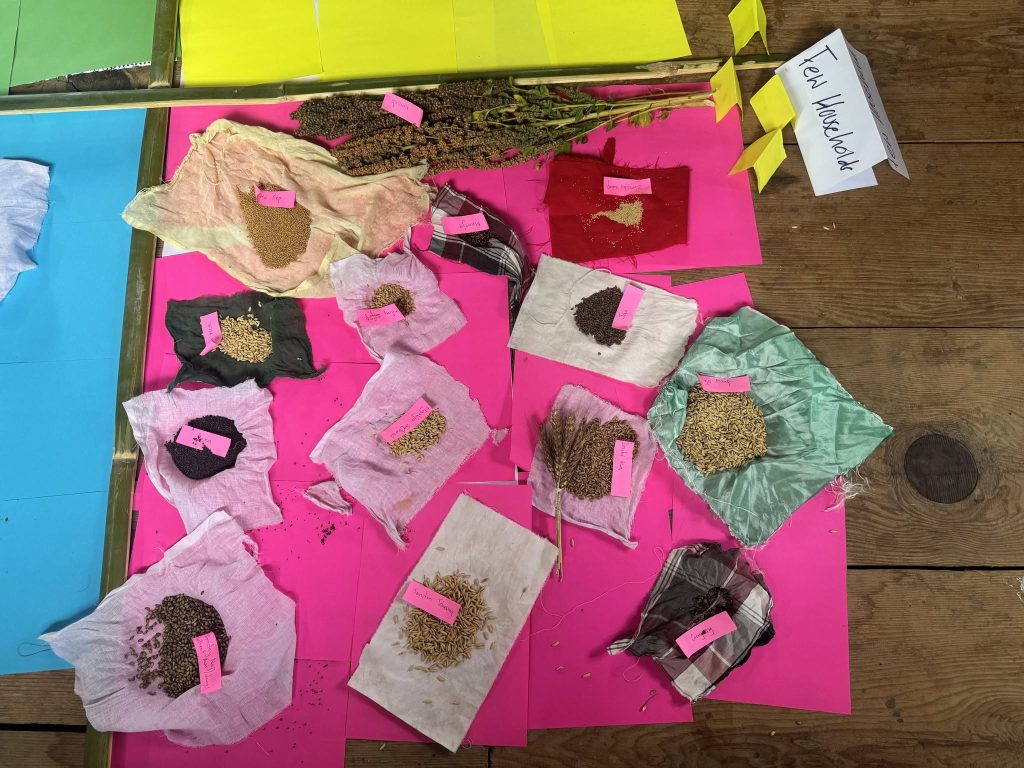
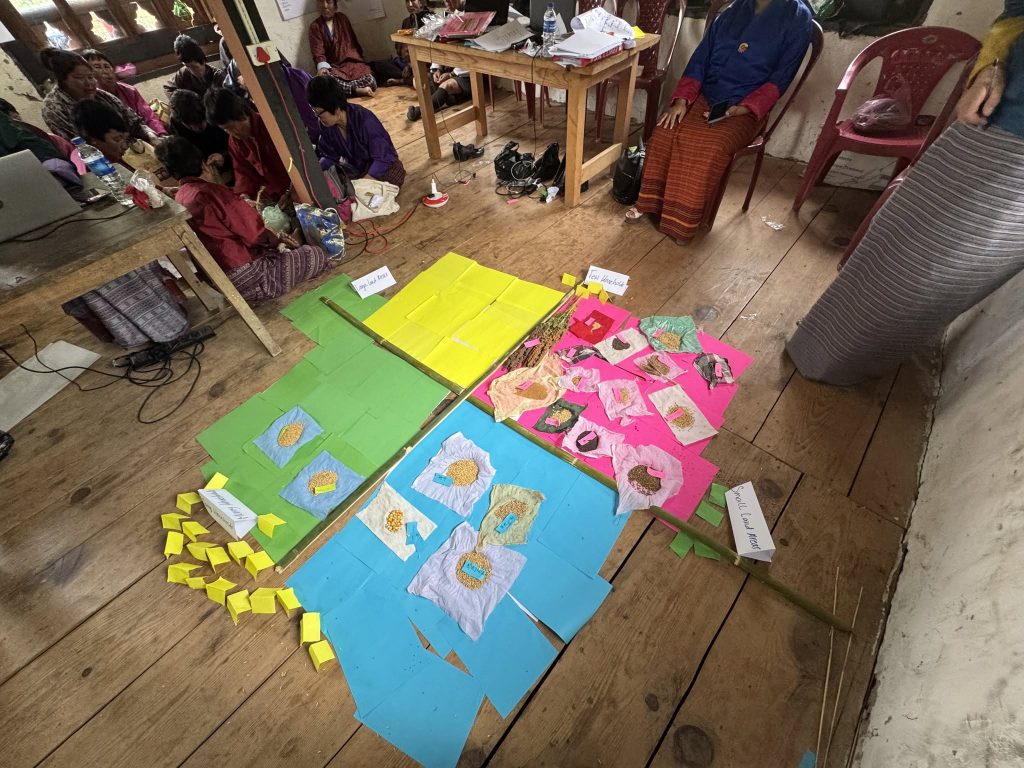
A key moment of the programme was the community-led Seed Inventory of Yebisa. One by one, farmers brought forward seeds carefully preserved over generations—seeds that carry memory, resilience, and identity. As they were displayed together, the diversity of local crops became visible in a powerful way, reflecting the deep knowledge and self-reliance of the community. Most households continue to save and reuse their own seeds each year, relying on their own systems rather than external sources.
Agrobiodiversity, in simple terms, refers to the variety and diversity of crops, seeds, plants, and agricultural practices that exist within a farming system. It is the foundation of food security and resilient livelihoods. When communities maintain diverse seeds and crops, they are better able to withstand climate change, pests, diseases, and water shortages. It also strengthens nutrition by ensuring a wider variety of food, while safeguarding cultural identity and traditional knowledge that has been passed down through generations. In this way, agrobiodiversity supports both survival and self-reliance in rural communities.
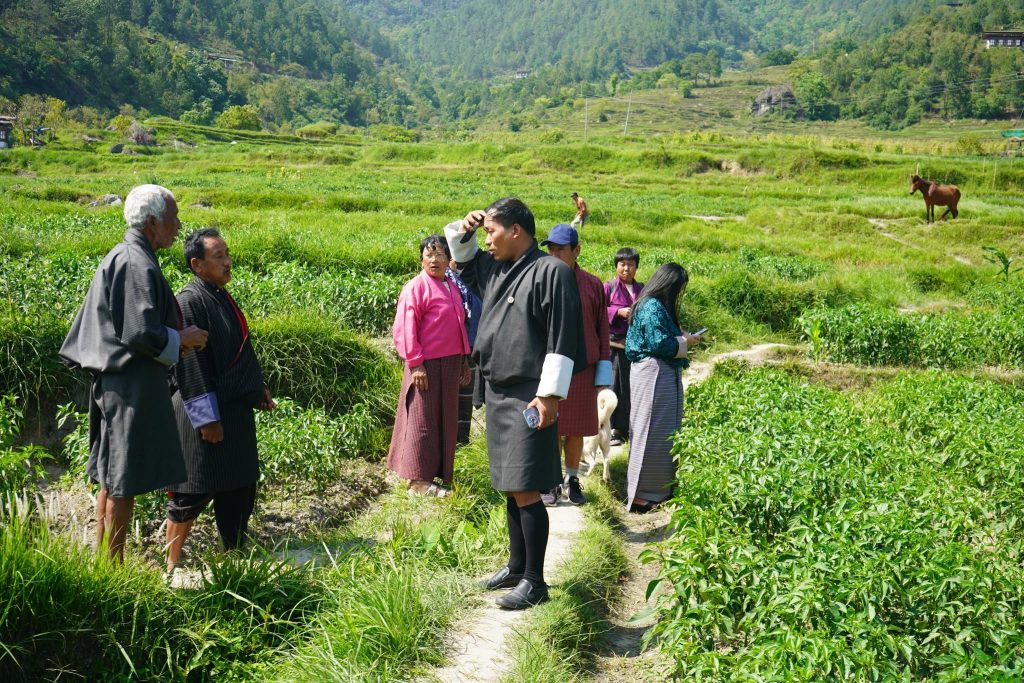
At the same time, the seed inventory exercise also brought forward a quiet concern. Many traditional seed varieties are now at risk of disappearing. Farmers reflected on how quickly these changes are happening and expressed the need to protect what remains. For them, seeds are not only about food, they are about culture, identity, and the ability to sustain life in changing times.
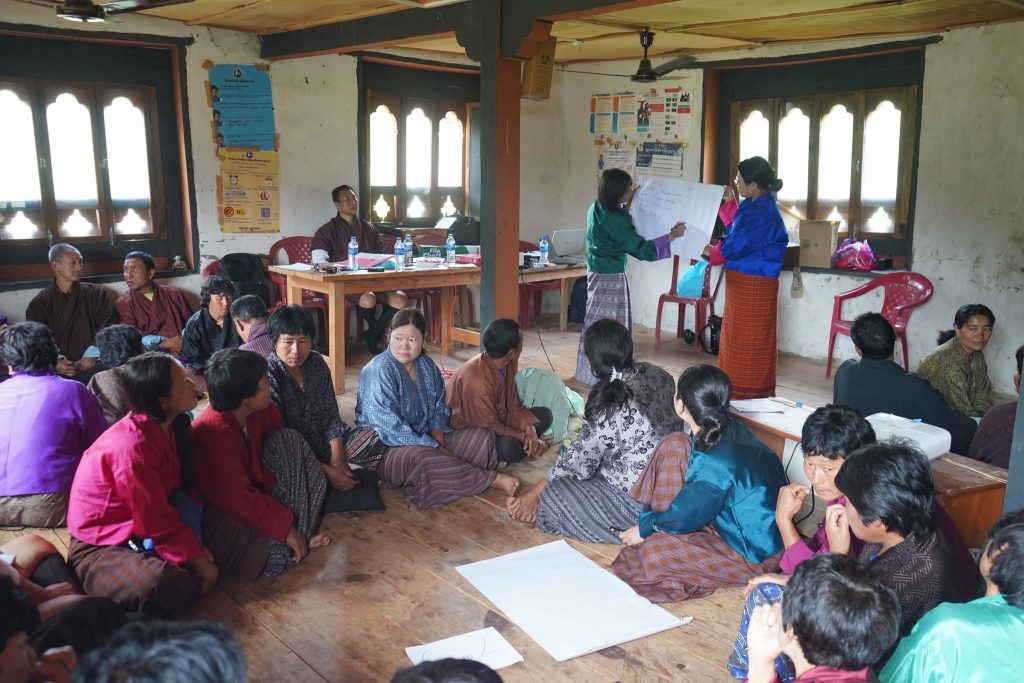
The programme also included an assessment of Yebisa’s agrobiodiversity and livelihood situation. For many participants, this was the first time engaging in a structured discussion on biodiversity, seed conservation, and the links between farming practices and long-term sustainability.
Farmers openly shared their strengths and struggles. The community continues to grow a variety of crops and vegetables such as chilli, crow’s beak, cucumber, brinjal, and beans, while remaining largely self-sufficient in rice. These diverse farming practices continue to support household food security and income.
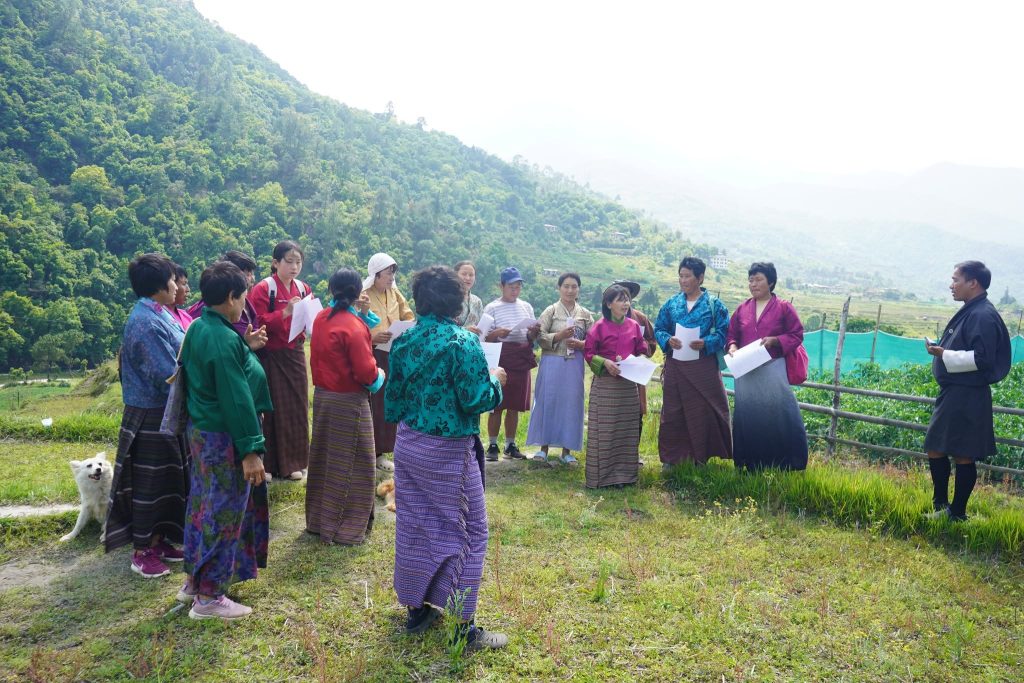
However, water scarcity was repeatedly shared as a growing concern. In recent years, reduced water availability has affected paddy cultivation, leaving some fields fallow and lowering yields in others. These experiences reflect the changing climate realities faced by rural farming communities.
Through shared learning, dialogue, and reflection, the training strengthened awareness on the importance of conserving agrobiodiversity. More importantly, it reminded the community of their role as custodians of seeds, knowledge, and land.
This activity was carried out under the HICAS Project, which continues to support community-led efforts to strengthen climate resilience, protect natural resources, and sustain rural livelihoods.