Improving living conditions and strengthening resilience in rural communities remains central to the work of the Tarayana Foundation. In the remote gewog of Lumang in Trashigang these efforts are taking meaningful shape through a community-based housing initiative that seeks to improve wellbeing, nutrition, and economic security for vulnerable households.
According to the 2017 Small-Area Poverty Mapping Report by the World Bank, Lumang had an estimated poverty rate of 11.6 percent, with 28.3 percent of households classified as poor based on consumption and welfare indicators. Guided by this reality, the Tarayana Foundation identified Lumang as one of the key beneficiary locations for the project “Holistic Community Development with a Focus on Enhancing Housing Conditions, Improving Nutrition, and Economic Security to Strengthen Social Protection in Rural Bhutan.”
The project is funded by the Government of India through the Royal Government of Bhutan, reflecting the continued partnership between the two countries in supporting Bhutan’s rural development and social protection initiatives.
Community Consultations and Ground Assessments
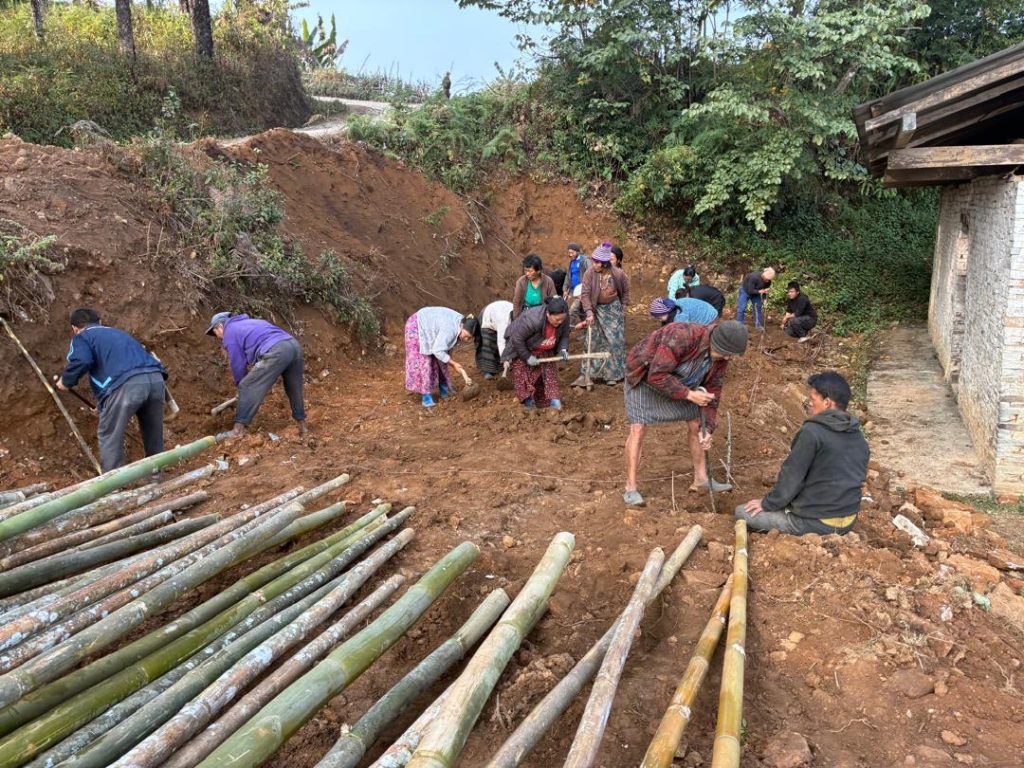
The journey toward implementation began with extensive community consultations and household assessments conducted toward the end of November last year. These consultations ensured that the voices and priorities of local residents were incorporated into the planning process, allowing the intervention to respond directly to the needs of the community.
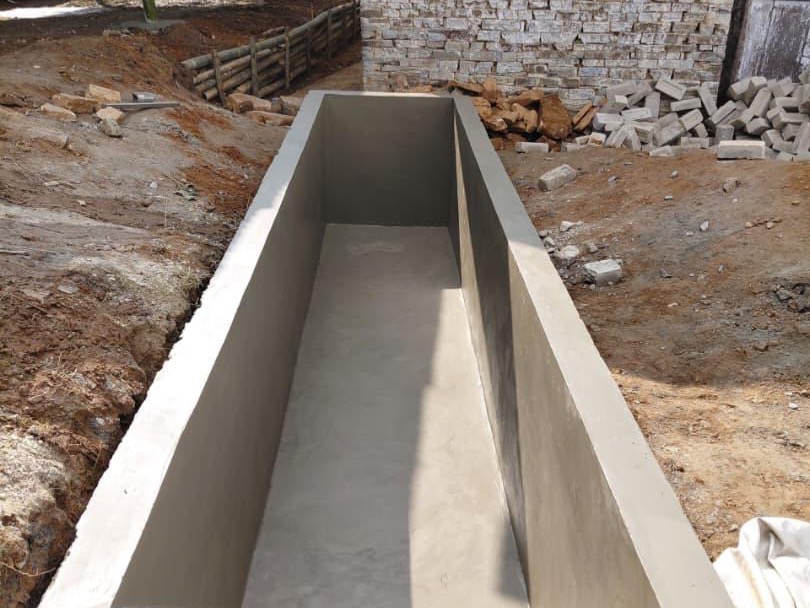
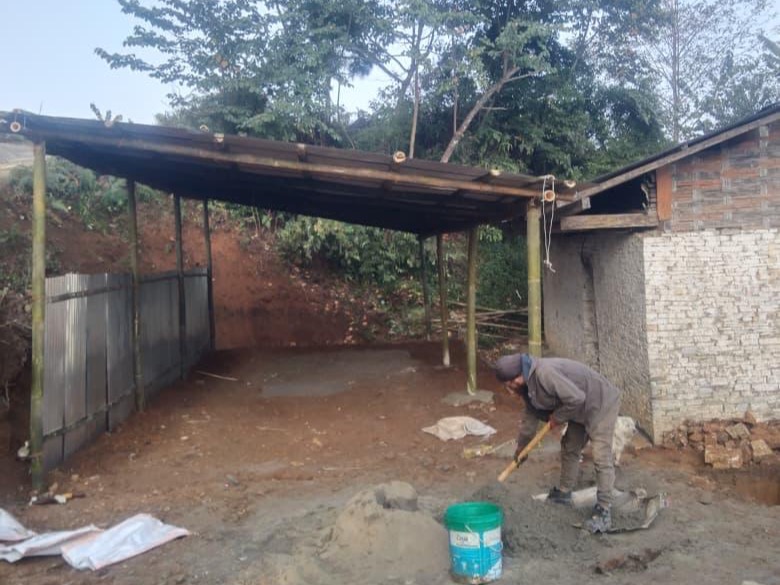
Following this groundwork, the project has already achieved an important milestone with the completion of a common prefabrication unit and a bamboo and timber treatment chamber at Tshogoenpa village in Lumang.
A Hub for Sustainable Housing Construction
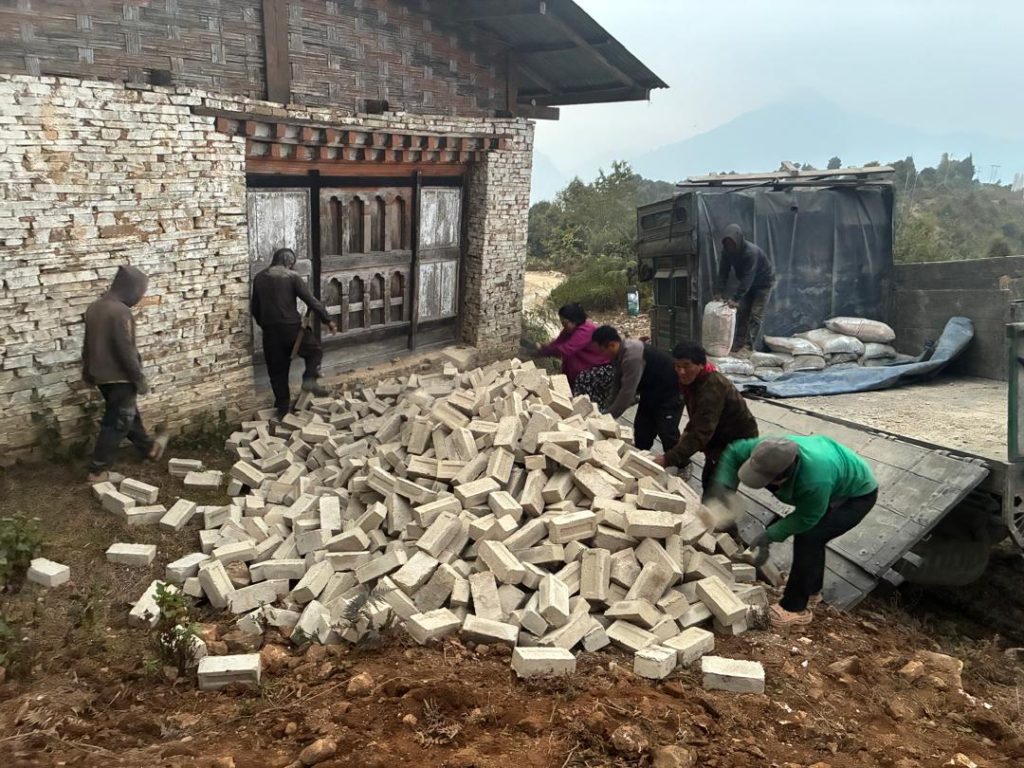
The newly established prefabrication unit will serve as a central facility where materials are prepared for the construction of 31 new houses in the village. By introducing a shared production space and treatment facility for bamboo and timber, the project aims to ensure that housing construction is efficient, cost-effective, and sustainable.
The prefabrication unit plays several critical roles in the project:
- Accelerating construction and reducing overall costs, allowing houses to be built more efficiently.
- Improving quality control and durability of materials, ensuring stronger and longer-lasting homes.
- Building local skills and technical capacity, enabling community members to participate actively in construction and maintenance.
- Promoting the use of sustainable, locally available materials, particularly bamboo and timber, which are abundant and environmentally friendly.
By integrating these elements, the initiative not only addresses the urgent need for improved housing but also contributes to skill development and local economic opportunities.
A Holistic Approach to Community Development
The housing initiative in Lumang is part of a broader effort to support holistic community development. Beyond physical infrastructure, the project focuses on strengthening nutrition, economic security, and social protection for rural households.
Improved housing conditions can significantly enhance the wellbeing of families by providing safer, healthier living environments. When combined with livelihood support and community participation, these interventions contribute to stronger, more resilient communities.
Building Hope for the Future
For the residents of Lumang, the progress made so far represents more than the construction of houses, it reflects a collective effort to improve lives and create opportunities for the future. The completion of the prefabrication unit marks an important step forward as the community prepares for the next phase of building new homes.
Through collaboration between local communities, development partners, and government institutions, the project demonstrates how sustainable solutions rooted in local resources and community participation can transform rural development.
As construction progresses in Tshogoenpa village, the initiative stands as a hopeful example of how targeted interventions, guided by evidence and community engagement, can help address rural poverty while strengthening dignity, resilience, and opportunity for Bhutan’s rural families.