
Skills, Craftsmanship, and New Beginnings Across Bhutan
In celebration of International Women’s Day, a powerful story of transformation and resilience is unfolding across Bhutan, where women are stepping into new roles, gaining skills, and shaping sustainable futures for themselves and their communities.
Under the Women Economic Empowerment in Bhutan Project, supported by the Embassy of the Kingdom of the Netherlands in India, two inspiring training initiatives are creating meaningful pathways for women from the highlands of Trashigang to the foothills near the Bhutan TSHAR Institute in Kalapang Mongar.
Highland Women Weaving Identity and Opportunity – Sakteng
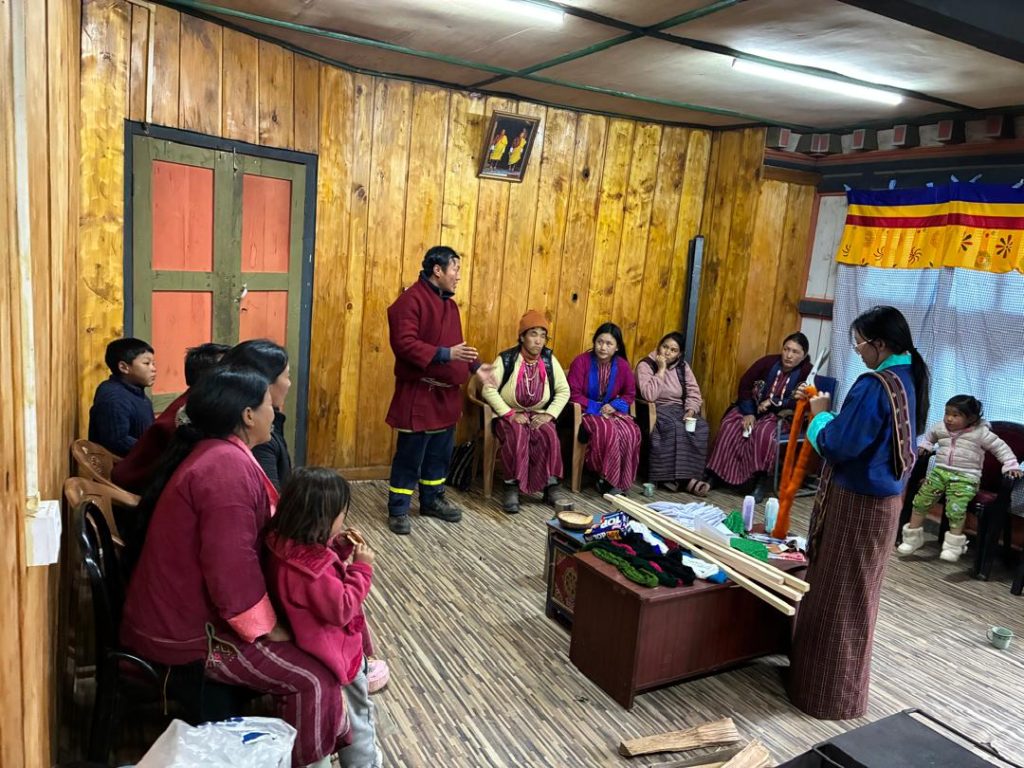
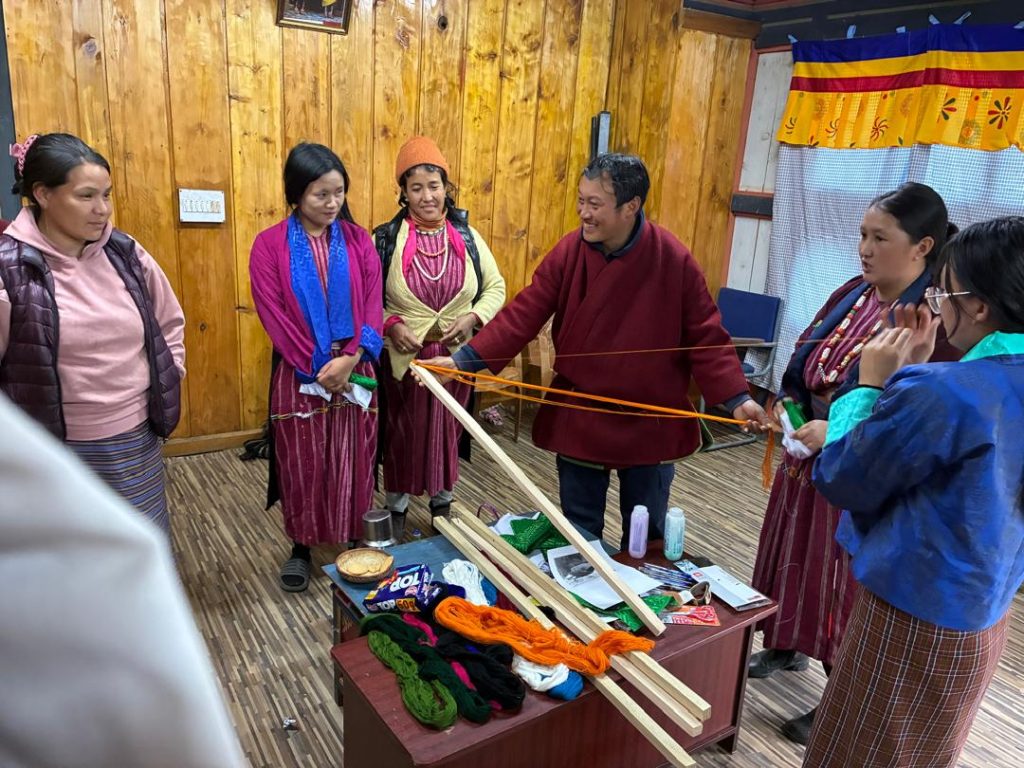
In the remote highland communities of Merak and Sakteng in Trashigang, a 10-day embroidery training began on 6 March, bringing together 21 participants, including two men, with a strong focus on empowering women.
Using locally woven runners made from wool and yak hair, participants learned intricate embroidery techniques that blend traditional knowledge with creative expression. The designs featuring Bhutan’s iconic Blue Poppy, Red Panda, and native birds reflect the region’s rich biodiversity and cultural identity.
Beyond skill-building, the training nurtured something deeper:
- Confidence in women to explore new creative avenues
- Pride in preserving and promoting their cultural heritage
- Opportunities to develop marketable, locally rooted products
Participants also practiced embroidery on traditional attire such as the gho, reinforcing cultural continuity while adapting to evolving market opportunities.
Upon completing the training, participants were prepared to begin producing embroidered items for sale, opening pathways for income generation and economic independence, even in remote highland communities.
From Labor to Leadership, Bamboo Artisans of Kalapang
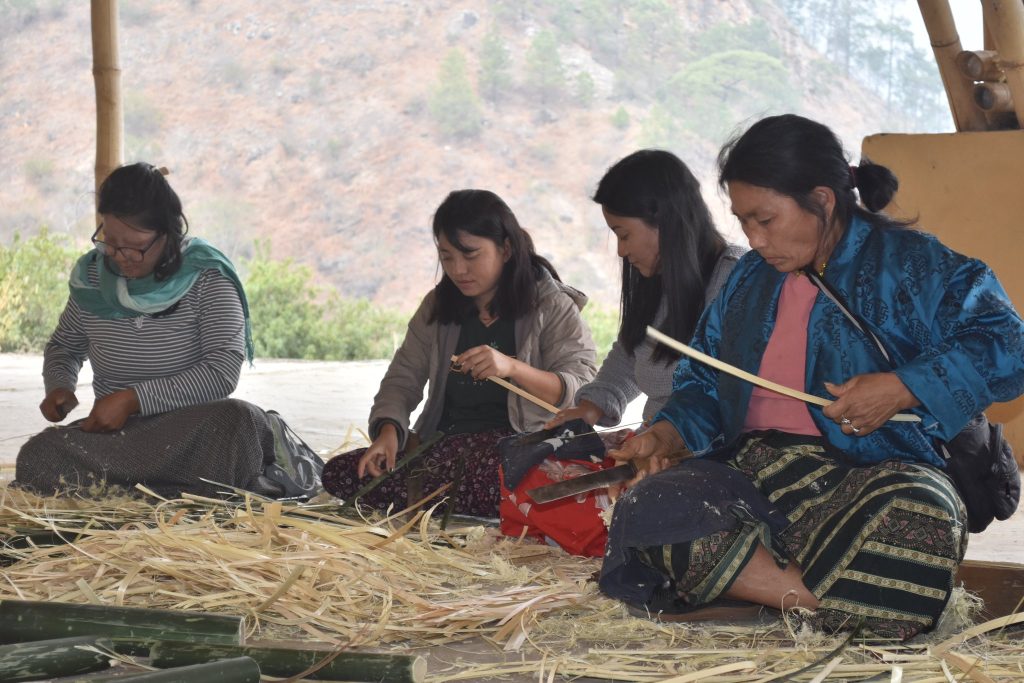
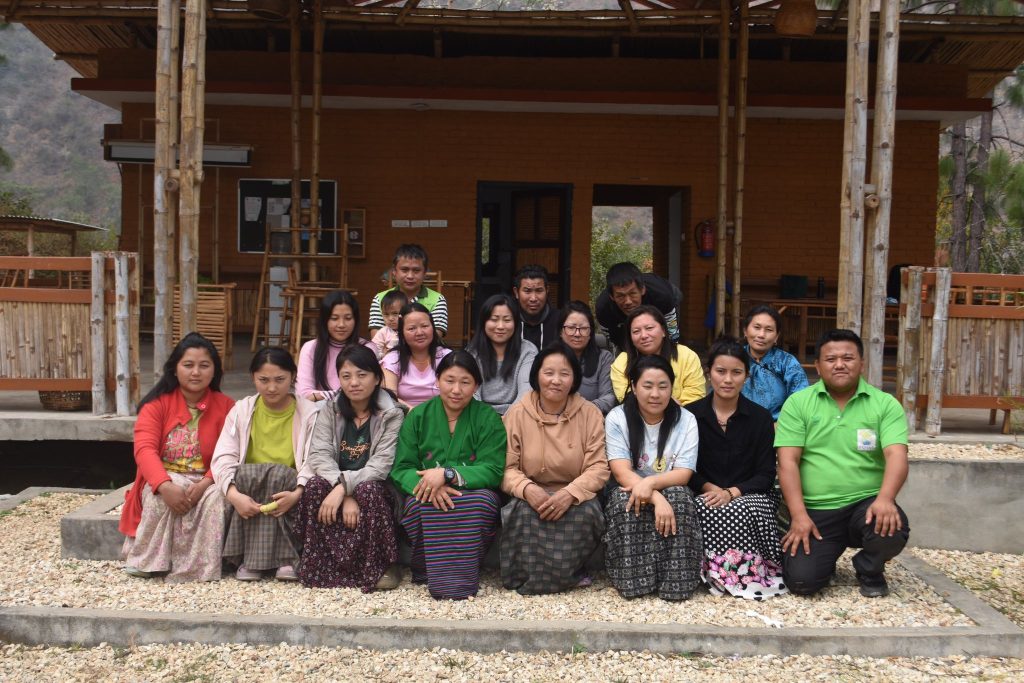
At the Bhutan TSHAR Institute, another inspiring journey began with 19 women from Kalapang village, many of whom previously worked as day laborers during the institute’s construction.
With the launch of a 21-day bamboo handicraft training, these women stepped into a new chapter, one defined by learning, creativity, and transformation.
Starting as first-time learners, participants developed skills across the entire bamboo value chain:
- Bamboo sliver preparation
- Weaving techniques
- Product design and finishing
What makes this initiative especially powerful is its long-term vision. Located near the institute, these women now have ongoing access to mentorship, resources, and future enterprise opportunities, enabling them to grow beyond training into sustainable livelihoods.
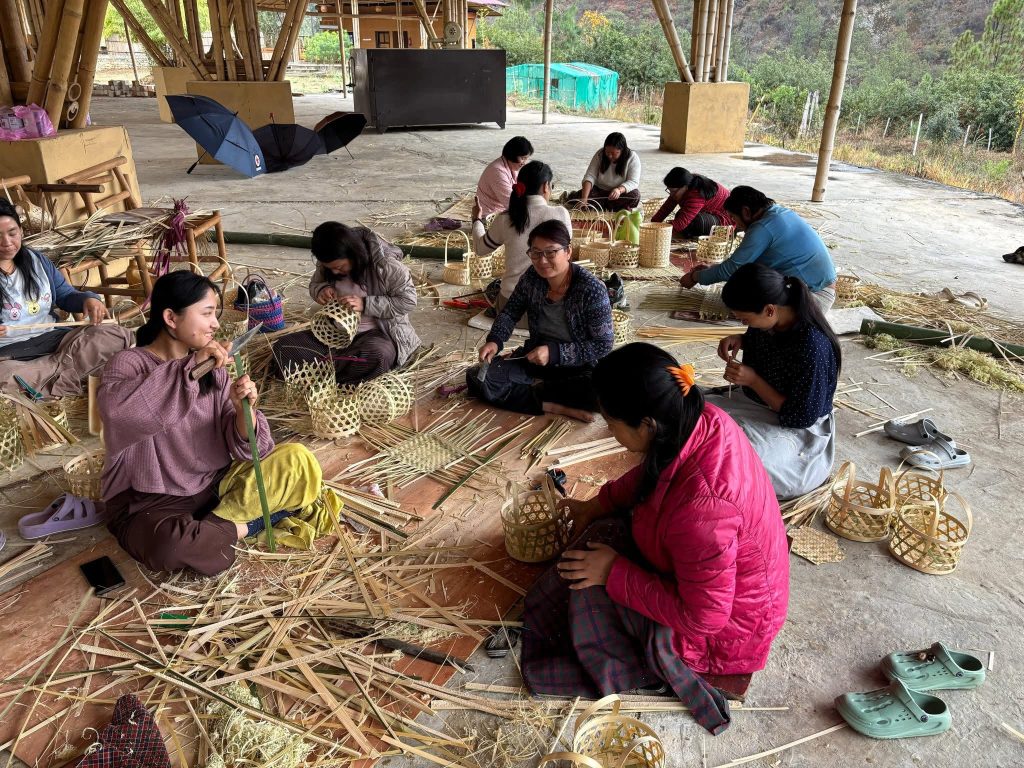
The training concluded with a celebratory ceremony attended by local leaders, recognizing the women’s dedication and achievements. A bamboo plantation was also initiated, symbolizing growth, resilience, and a shared commitment to sustainability.
A Shared Journey of Empowerment
Though rooted in different landscapes, both initiatives share a common purpose:
to place women at the center of sustainable development.
Across Sakteng and Kalapang, women are:
- Transforming traditional skills into economic opportunities
- Preserving cultural heritage while innovating for the future
- Building confidence, leadership, and independence
These stories remind us that empowerment is not a single moment, it is a journey shaped by access, opportunity, and belief in one’s potential.
Looking ahead, these newly skilled artisans and trained highlander women will showcase and sell their products at the upcoming Tarayana Fair, connecting them to markets and expanding their economic horizons.
Celebrating Women, Every Day
As we marked International Women’s Day, these women had already begun their journeys, quietly but powerfully redefining their roles within their families and communities.
Their stories are a testament to what is possible when women are supported with the right tools and opportunities: stronger livelihoods, preserved traditions, and more resilient communities.