
Under the Living Landscape Project, supported by the Federal Ministry for the Environment, Climate Action, Nature Conservation and Nuclear Safety and the International Climate Initiative (IKI), a series of impactful, community-driven initiatives is being implemented during the month, translating environmental commitments into tangible action on the ground.
From watershed conservation to human-wildlife coexistence and community safety, these efforts reflect a shared vision of resilient ecosystems and empowered communities.
From Agreement to Action in the Omchhu Watershed
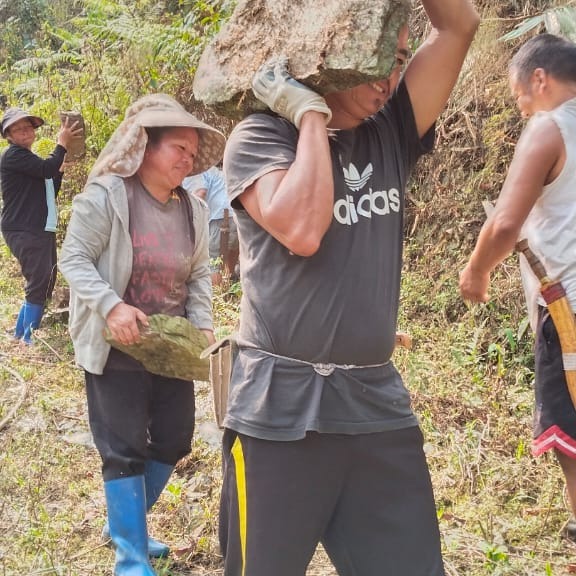
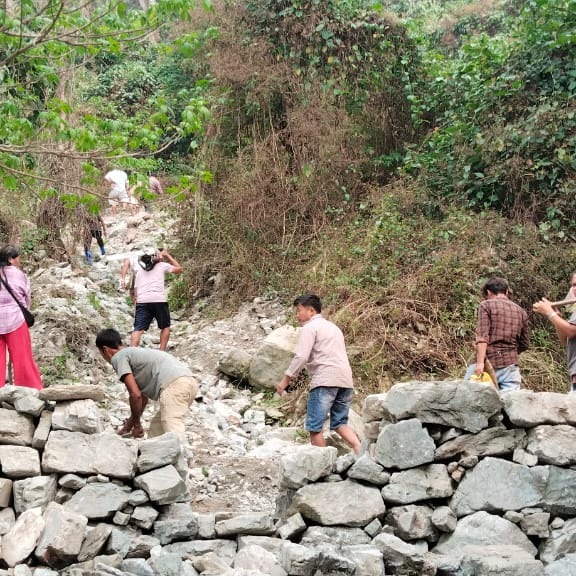
Following the landmark Payment for Ecosystem Services (PES) Agreement signed earlier this year in Phuentsholing, the first field-level activity was successfully carried out in the Omchhu Watershed.
From 8th to 14th March 2026, a week-long hands-on training session was conducted at Wangdigatshel, focusing on constructing log-and-stone check dams in a landslide-affected area.
With technical guidance from Mr. Chenga Tshering, Principal Land Management Officer of the National Soil Services Centre, and strong participation from the local community, the training emphasized practical, nature-based solutions for soil and water conservation.
Participants learned how these simple yet effective structures can:
- Slow down the water flow in steep terrain
- Reduce soil erosion and trap debris
- Filter sediments and improve water quality
- Stabilize landslide-prone areas

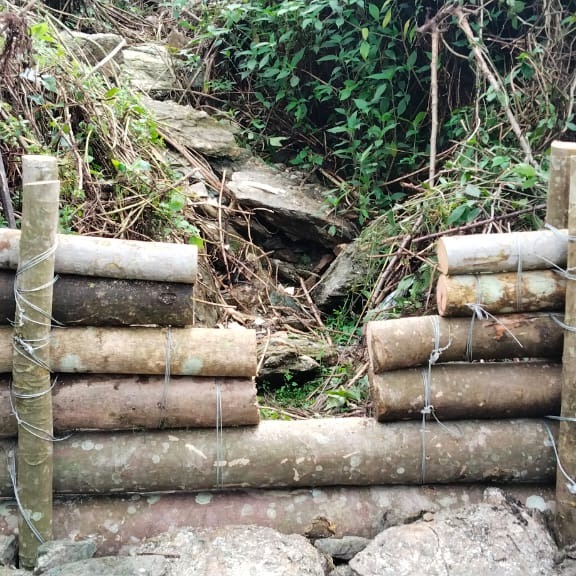
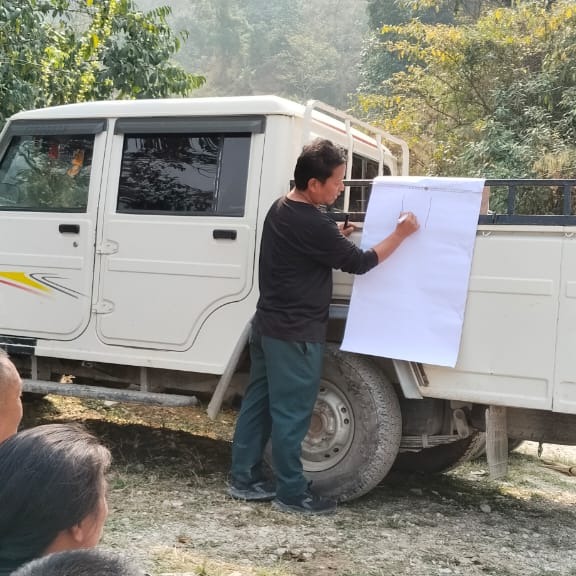
By building these skills, communities are now better equipped to protect their watersheds, safeguard downstream ecosystems, and actively contribute to the PES initiative, in which upstream stewards and downstream users share responsibility for sustaining vital natural resources.
🐾 Strengthening Human–Wildlife Coexistence in Sangbay Gewog
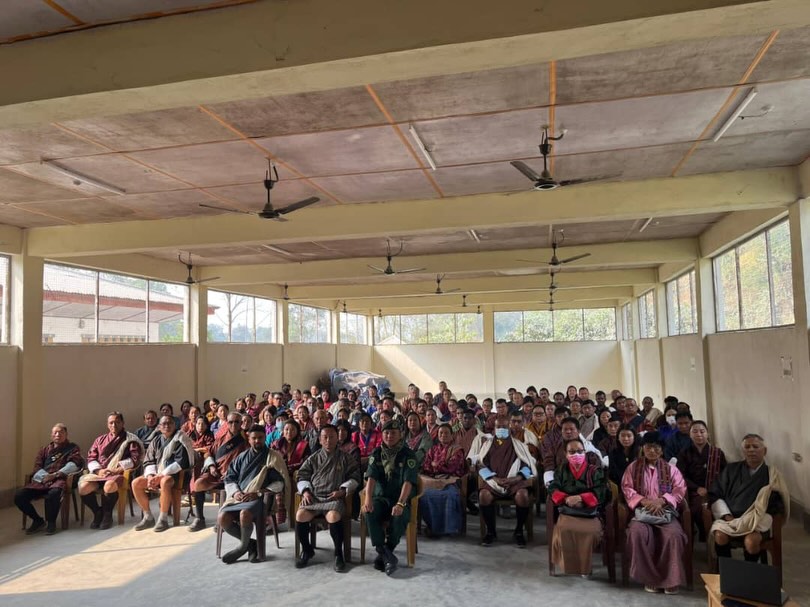
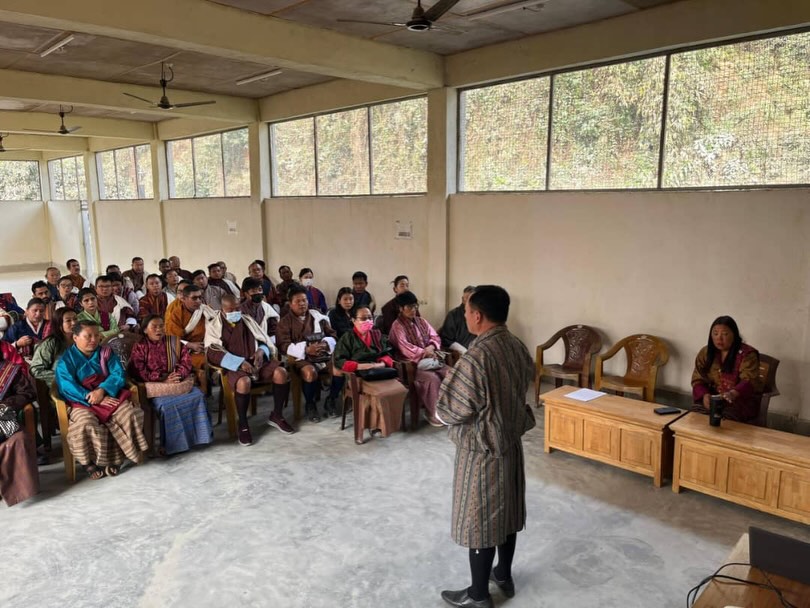
In Anagoenpa village under Shaba–Shebji Chiwog, Sangbay Gewog, Haa, efforts are underway to address one of Bhutan’s most pressing rural challenges, human-wildlife conflict.
Construction of a 2.87 km chain-link fence is currently underway, benefiting six households and helping protect crops, livestock, and livelihoods.
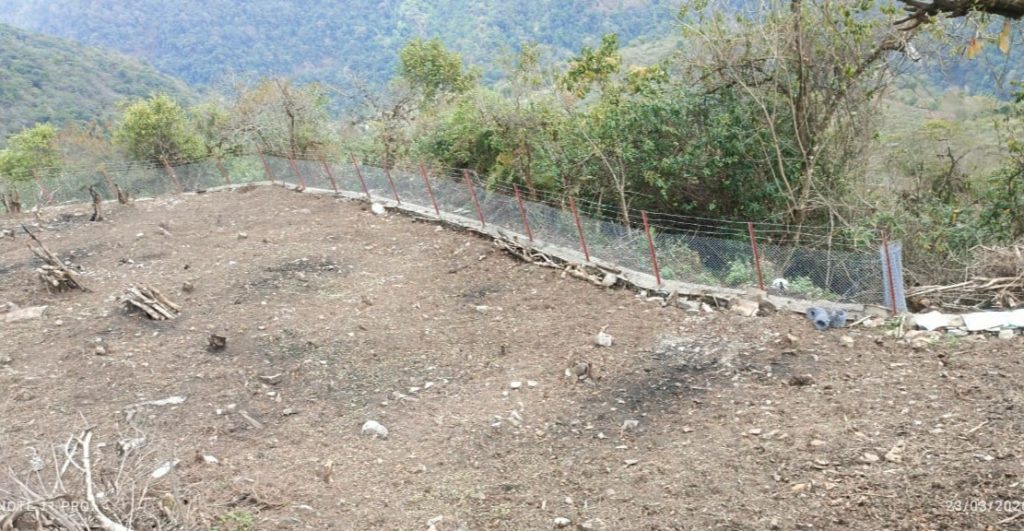
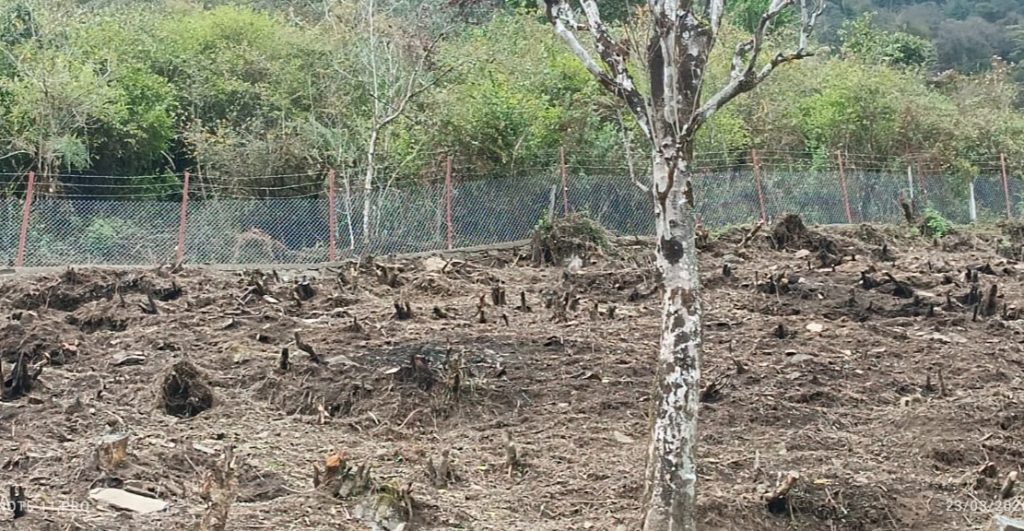
With technical support from the Department of Forests and Park Services (DoFPS) through the C2C (Conflict to Coexist) strategy, this initiative is a practical response to the realities of living alongside wildlife.
The intervention is expected to:
- Reduce crop damage and livestock loss
- Strengthen food security
- Support safer and more secure rural livelihoods
- Promote coexistence between communities and wildlife
By linking conservation strategies with community needs, the initiative demonstrates how local solutions can contribute to broader environmental resilience.
Building Safer and Prepared Communities in Samtse
Further strengthening community resilience, two important capacity-building trainings were conducted in Samtse during the month.
Emergency First Aid at Work (EFAW) Training
Held on 23rd March 2026 at Lhop Village Lodge, Jigme Village (Dophuchen), this training equipped participants with essential life-saving skills.
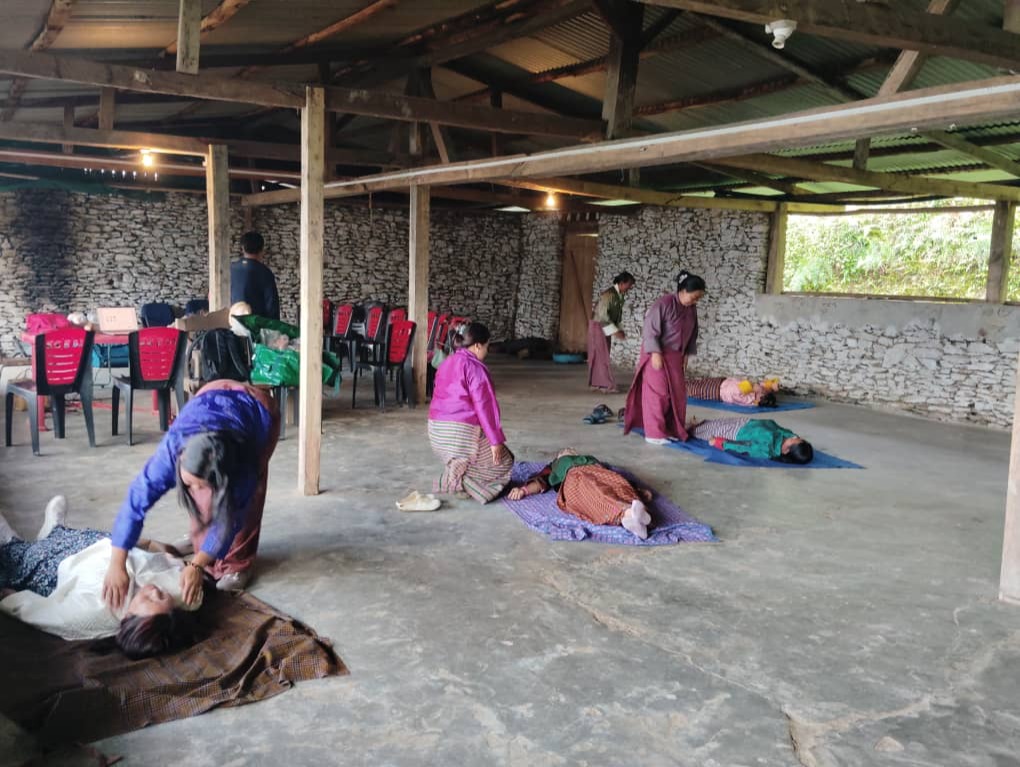
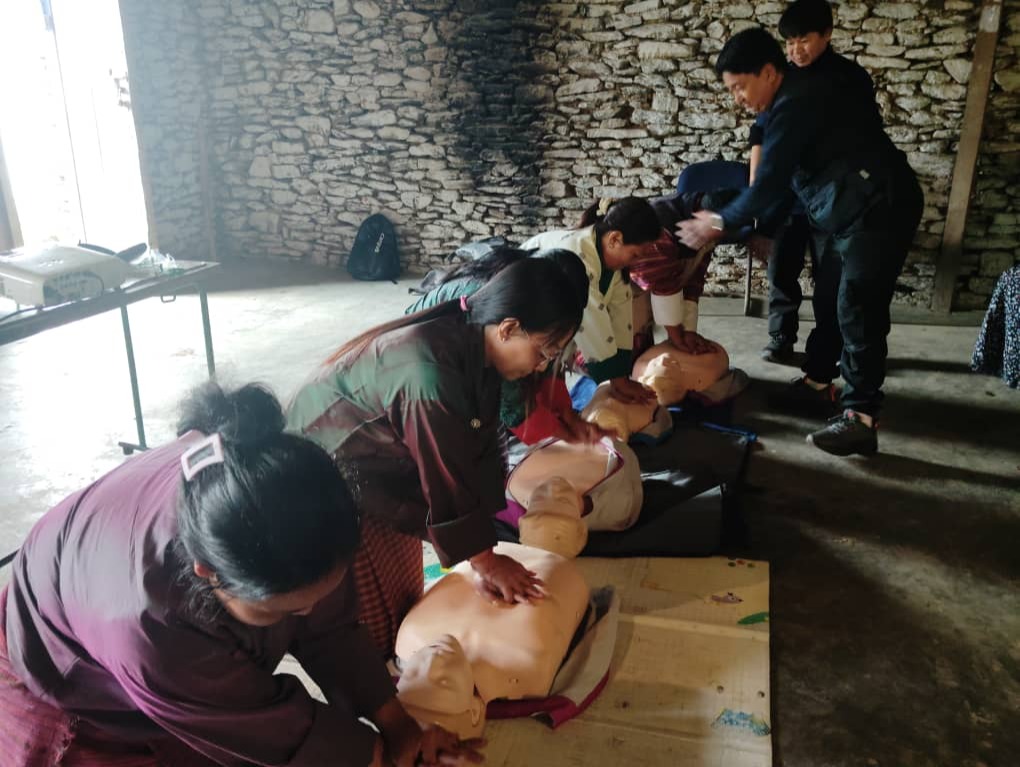
Through interactive sessions, participants learned:
- Injury assessment and emergency response
- Managing unconscious victims and bleeding
- Handling musculoskeletal injuries, bites, and heat-related conditions
- Responding to choking and other medical emergencies
A key highlight was addressing common myths and unsafe practices, helping communities adopt safer and more effective responses in real-life situations.
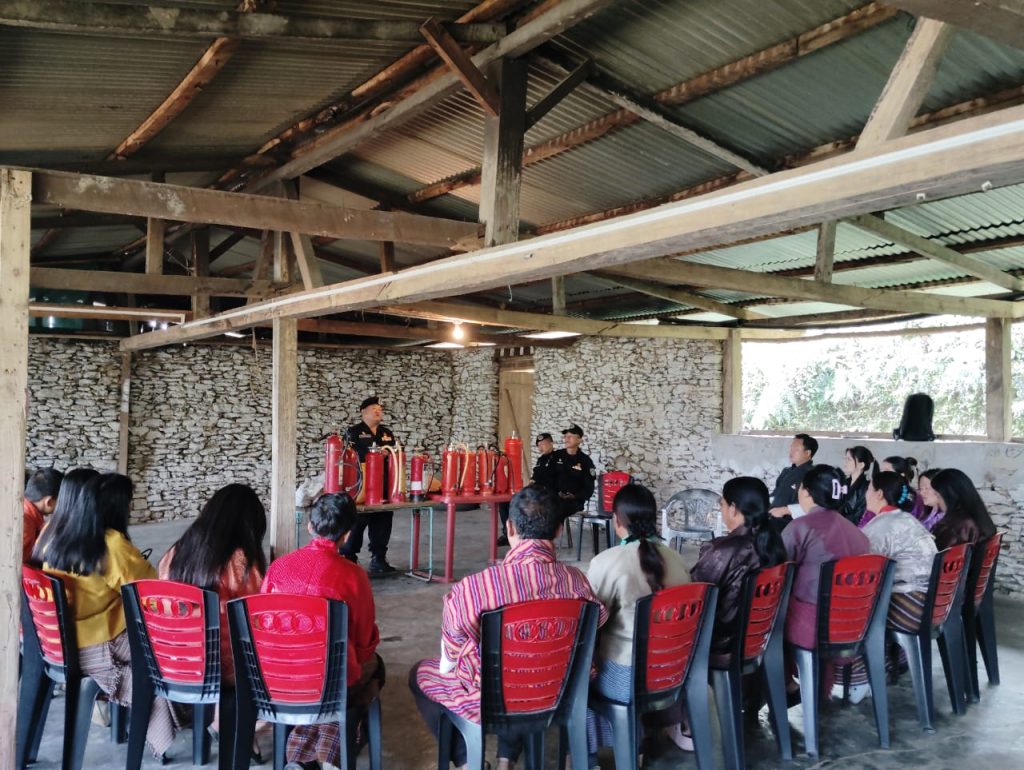
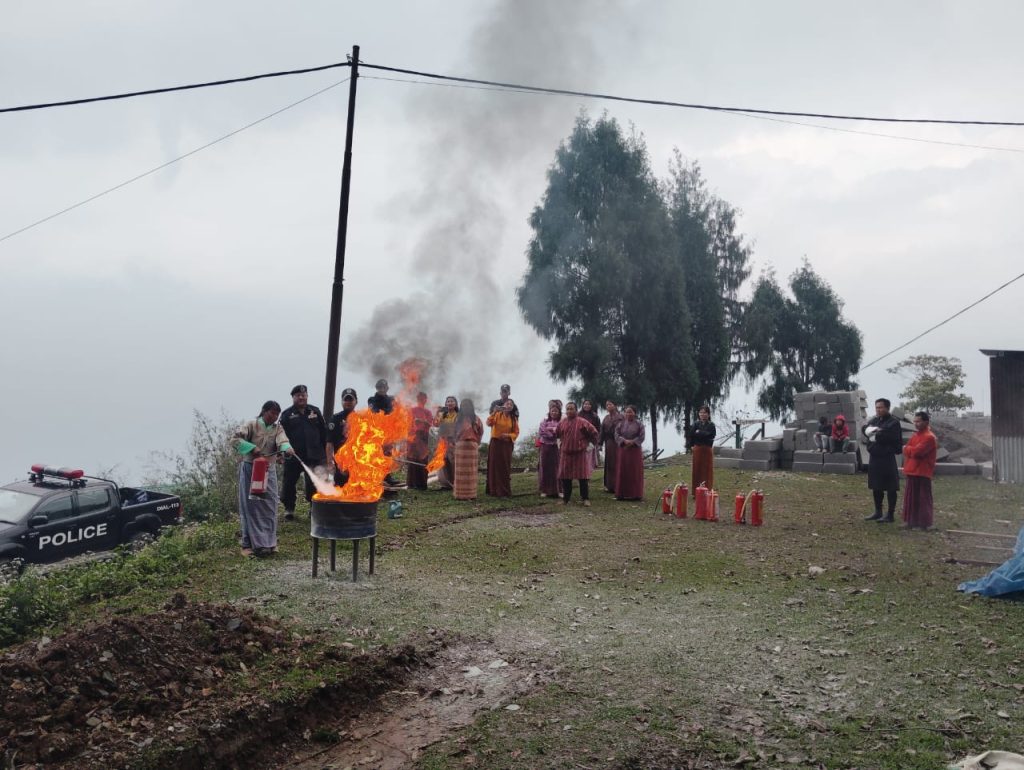
Fire Safety & Firefighting Training
Conducted on 25th March 2026 in Dophuchen by the Royal Bhutan Police (Samtse Division), this training brought together 16 participants, including a majority of women.
Participants gained hands-on experience in:
- Using fire extinguishers
- Managing gas cylinder emergencies
- Applying local fire control methods, such as using sand
These practical skills are essential in enhancing community preparedness, safety awareness, and disaster response capacity.
A Holistic Approach to Resilience
Though diverse in focus, these initiatives share a common goal:
to build resilient communities living in harmony with their environment.
Across watersheds, farmlands, and villages, the Living Landscape Project is:
- Empowering communities with practical skills and knowledge
- Strengthening ecosystem conservation through local action
- Enhancing safety, livelihoods, and climate resilience
Together, these efforts reflect the power of collaboration, where communities, institutions, and partners work hand in hand to create sustainable landscapes and secure futures for generations to come.