
SASI–SPI Workshop in Ngangla Gewog, Zhemgang
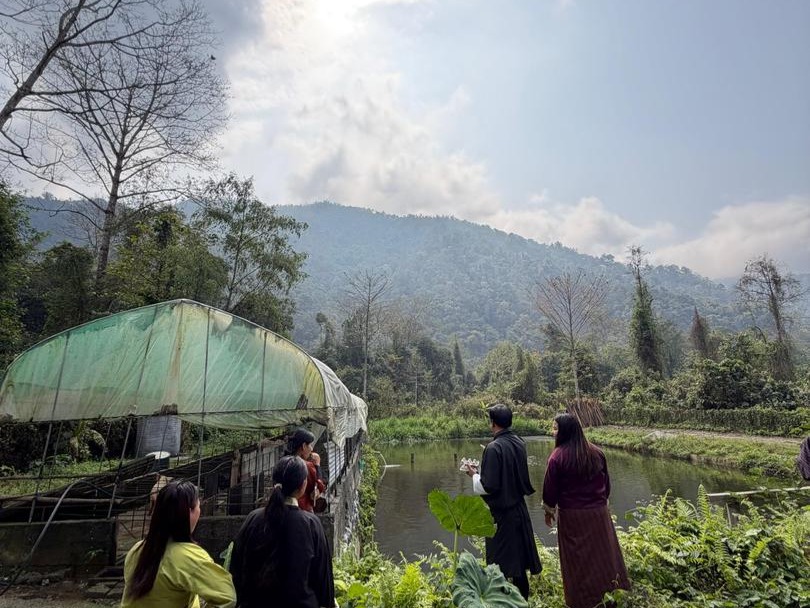
A four-day participatory workshop on sustainable food systems was successfully held in Ngangla Gewog, Zhemgang (16–19 March 2026), bringing together a diverse group of stakeholders to explore pathways to strengthen local food systems and enhance youth engagement in agriculture.
The workshop was facilitated by the Tarayana Foundation team led by Mr. Chimi Dorji, Technical Director of TCRD, in collaboration with local government representatives, sector officials, youth groups, and community members. It aimed to build a shared understanding of food systems while identifying challenges, opportunities, and practical solutions tailored to the local context.
Understanding Food Systems and Community Realities
The workshop began with an introduction to food systems, highlighting the interconnected stages of production, transportation, processing, and consumption. Participants reflected on how, though part of daily life, these processes had not previously been viewed as a complete system influencing livelihoods, nutrition, and economic opportunities.
A multi-sectoral group of participants, including representatives from local government, schools, health services, agriculture, tourism, and the Panbang Youth Cooperative (PYC), ensured that discussions captured diverse perspectives across the food system.
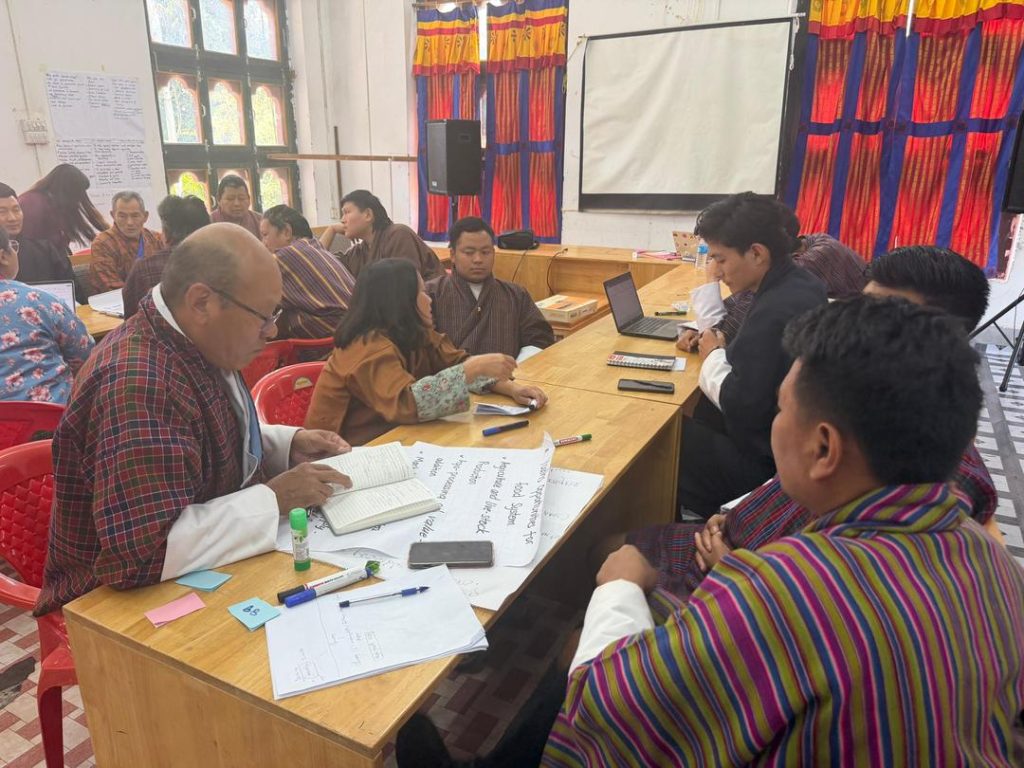
Through interactive sessions, participants mapped the evolution of agriculture, infrastructure, and community development from 2005 to 2025. These reflections revealed significant transitions from traditional subsistence farming to increasing diversification, mechanization, and market integration alongside emerging challenges such as declining crop productivity, changing consumption patterns, and environmental pressures.
Youth, Livelihoods, and the Future of Rural Communities
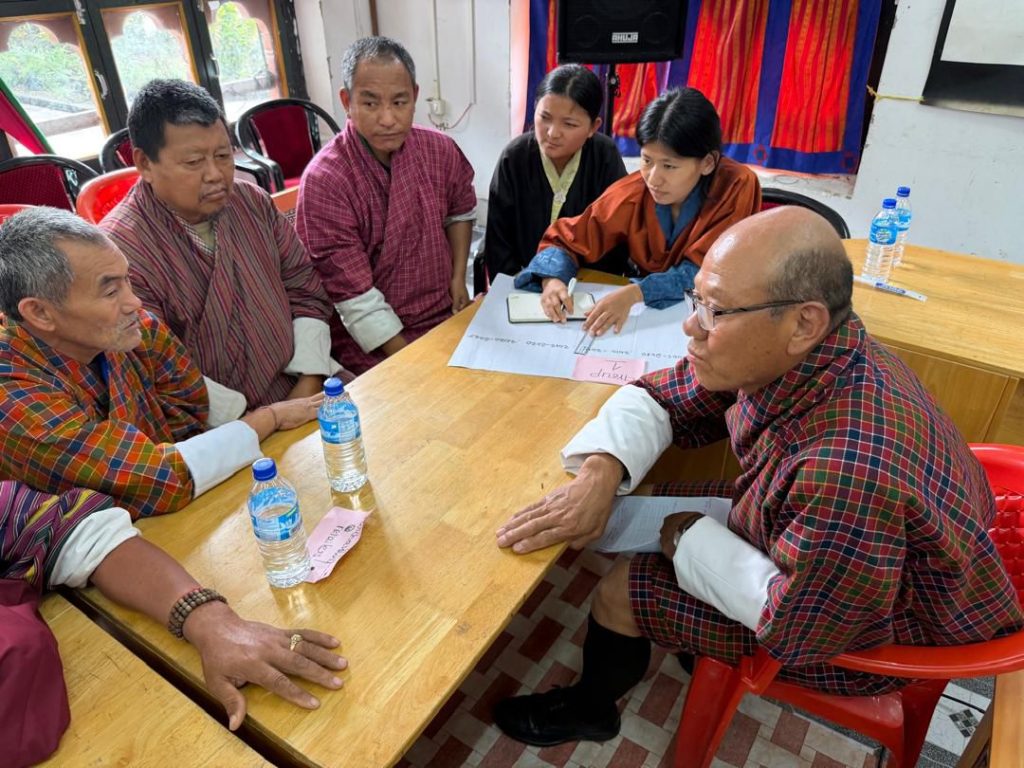
A key focus of the workshop was understanding the role of youth in shaping sustainable food systems. Through group discussions, participants explored why many young people migrate to urban areas, citing limited opportunities, inadequate infrastructure, and social perceptions of agriculture.
At the same time, the workshop highlighted factors that encourage youth to remain in villages, including family responsibilities, access to land, and the desire to bring positive change to their communities.
Using participatory tools such as dot voting, participants identified priority challenges affecting youth, including financial constraints, a lack of policy support, limited skills, and social stigma associated with agriculture. These insights helped establish a clear, community-driven understanding of the barriers to youth engagement.
From Challenges to Solutions
Building on these discussions, participants engaged in problem analysis and SWOT assessments, focusing on agriculture, livestock, and market systems.
Key strengths identified included land availability, strong community networks, and growing demand for organic products. However, challenges such as limited market access, inadequate infrastructure, climate risks, and low youth participation were also highlighted.
Participants proposed practical solutions, including:
- Strengthening skills training and technical support
- Improving access to finance and market linkages
- Promoting integrated farming systems
- Encouraging youth participation and innovation
These discussions fostered a shift from problem identification to the development of locally relevant, solution-oriented approaches.
Learning from Practice, Field Visits
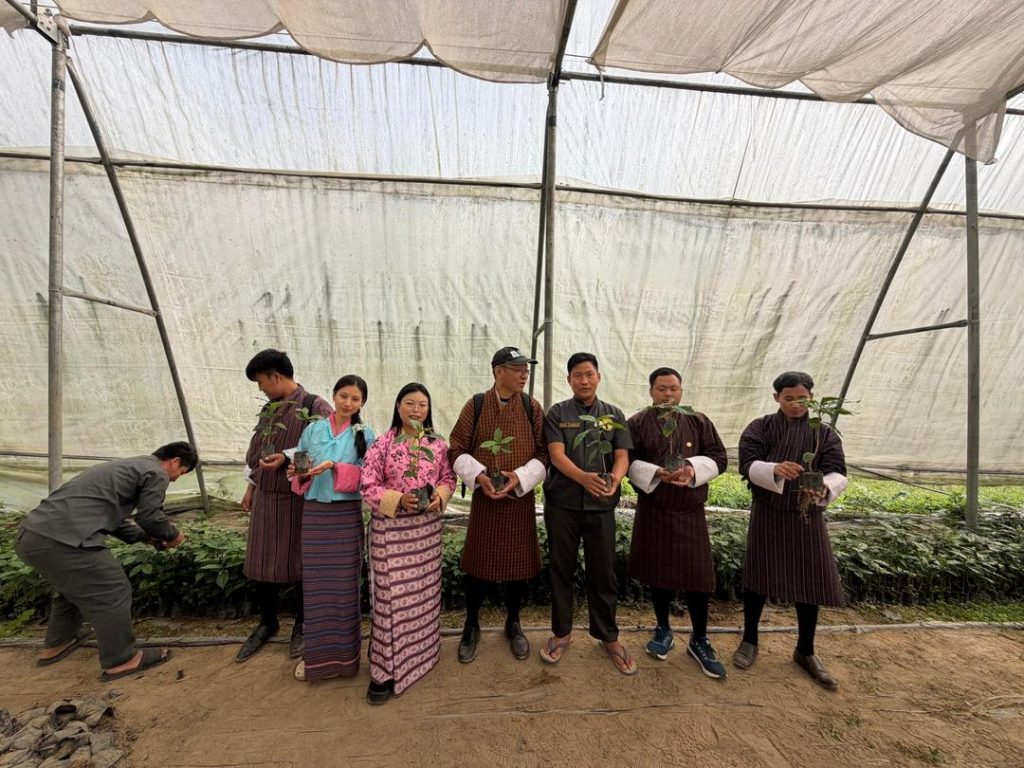
The final day of the workshop provided hands-on learning through field visits to key local institutions.
At the Panbang Youth Cooperative, participants observed a successful youth-led model integrating crop production, livestock, nursery development, and value-added processing. The cooperative demonstrated how agriculture can be both sustainable and economically viable, generating significant income while promoting organic practices.
The visit to the Rebati Community Committee highlighted the importance of community representation and collective action in managing local resources and planning future livelihood activities.
At the Panbang Eco-Lodge, participants explored the link between food systems and tourism, seeing how local production supports hospitality services while creating market opportunities for farmers.
A Path Forward
The workshop concluded with strong engagement and positive reflections from participants, who said the sessions deepened their understanding of food systems and inspired new ideas for community development.
By combining local knowledge, participatory tools, and practical exposure, the workshop successfully created a platform for dialogue, learning, and collaboration.
Ultimately, the initiative reinforced a shared vision: to build sustainable, inclusive, and resilient food systems that create meaningful opportunities, especially for youth, while strengthening rural livelihoods in Bhutan.