
From Field Insights to National Action: Building Climate Resilience Together
The Integrated Climate Adaptation Solutions for the Hindu Kush Himalayan Region (HI-CAS) Project continues to make meaningful progress in the country, bringing together communities, technical experts, and institutions to co-create sustainable, climate-resilient solutions.
Field Mission Highlights (26–30 January 2026)
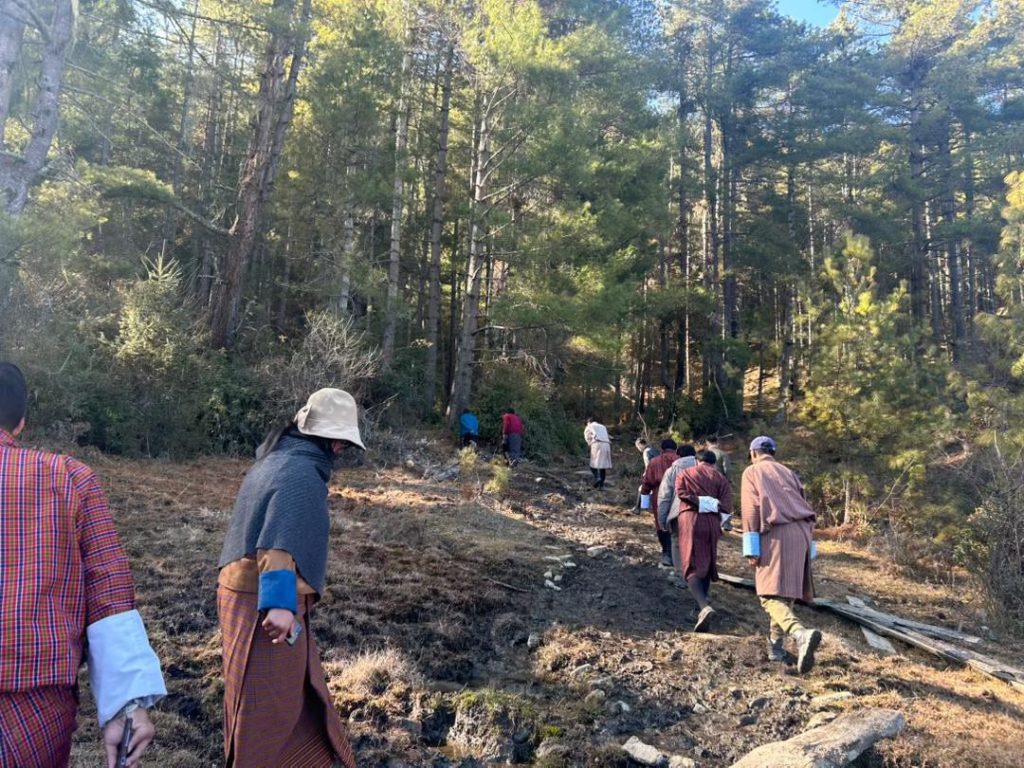
The HI-CAS field mission began on 26 January 2026 in Tili Village, Shaba Gewog, with a community consultation that set the tone for a deeply participatory and inclusive approach.
The meeting brought together a diverse group of stakeholders, including gewog officials, Dzongkhag sector representatives, technical experts, and community members. Discussions focused on understanding existing irrigation practices, water availability, and community priorities, laying the groundwork for designing a solar-powered irrigation system tailored to local needs.
Participatory Mapping in Tili
The second day emphasized hands-on community engagement, with participatory mapping exercises to:
- Identify water intake and distribution points
- Map dry and wet land areas
- Document seasonal cropping patterns
- Develop a seasonal agricultural calendar
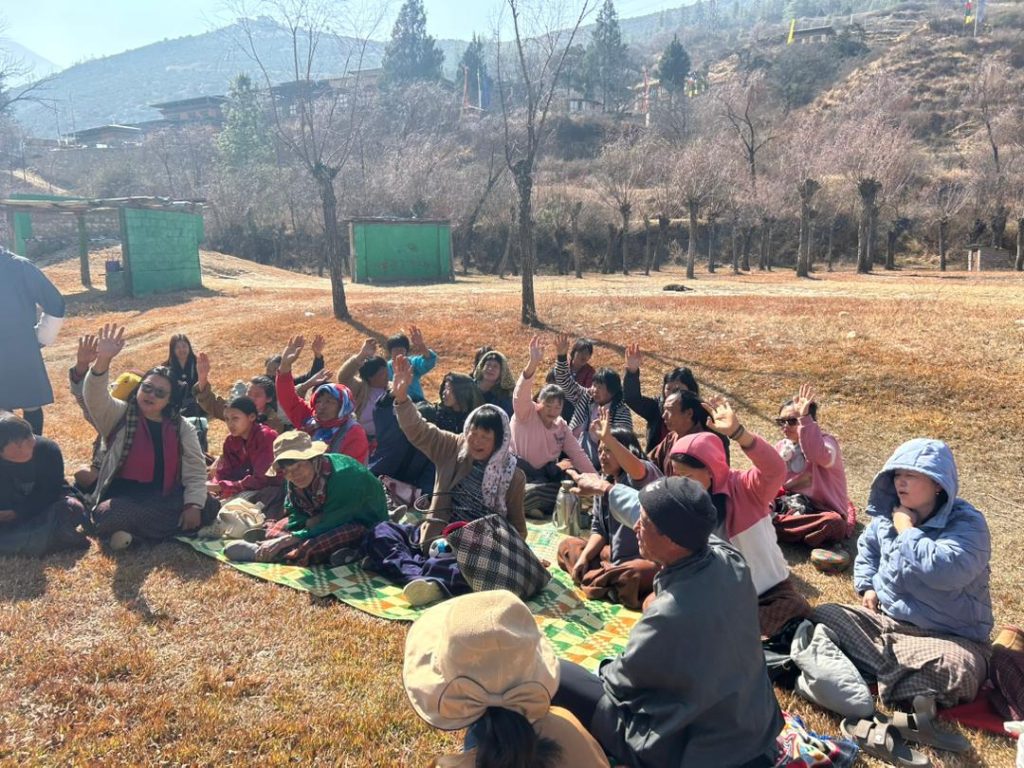
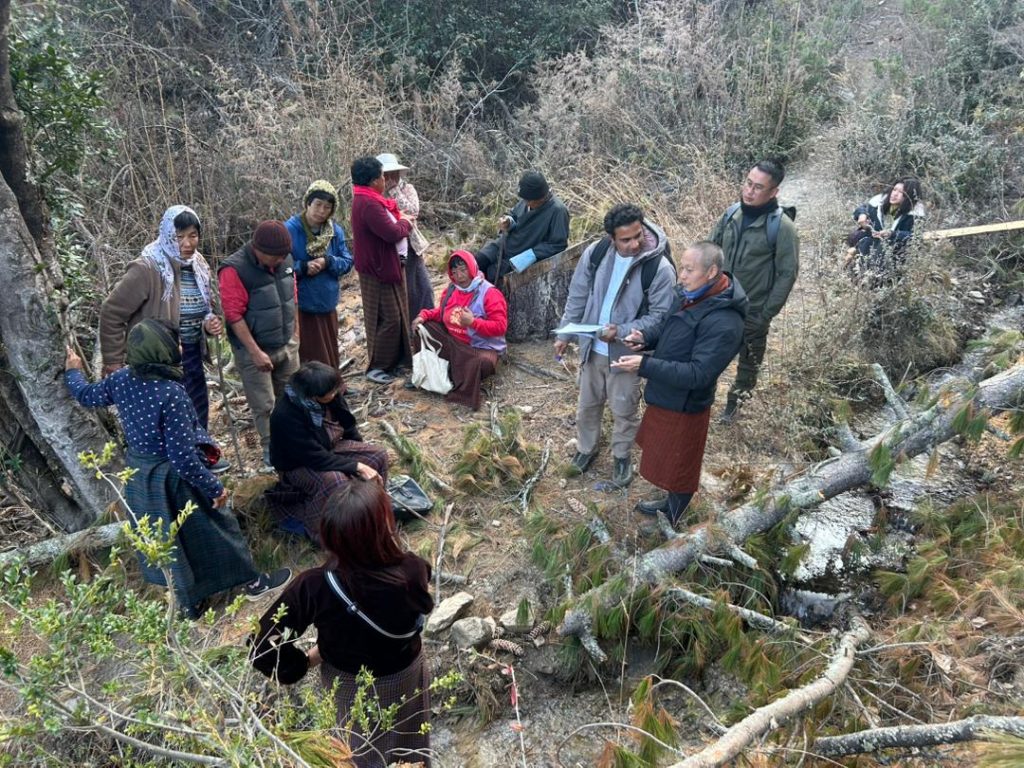
This process ensured that technical planning was firmly rooted in real farming practices and local knowledge, strengthening both accuracy and community ownership.
Community Consultation in Yebisa, Punakha
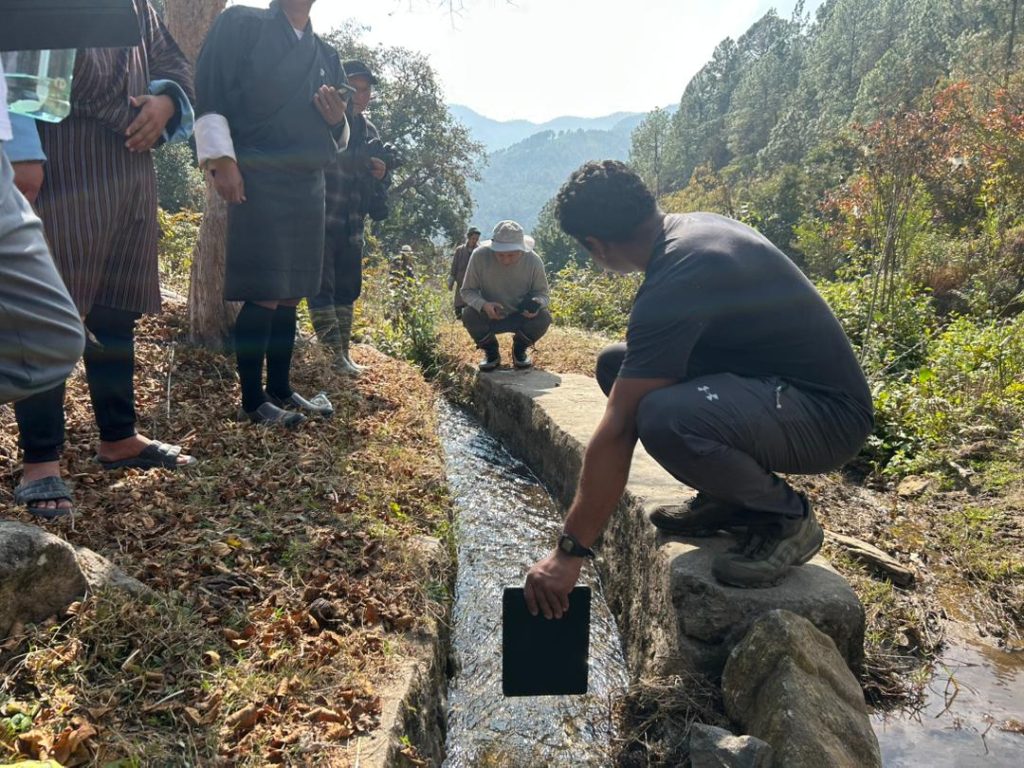
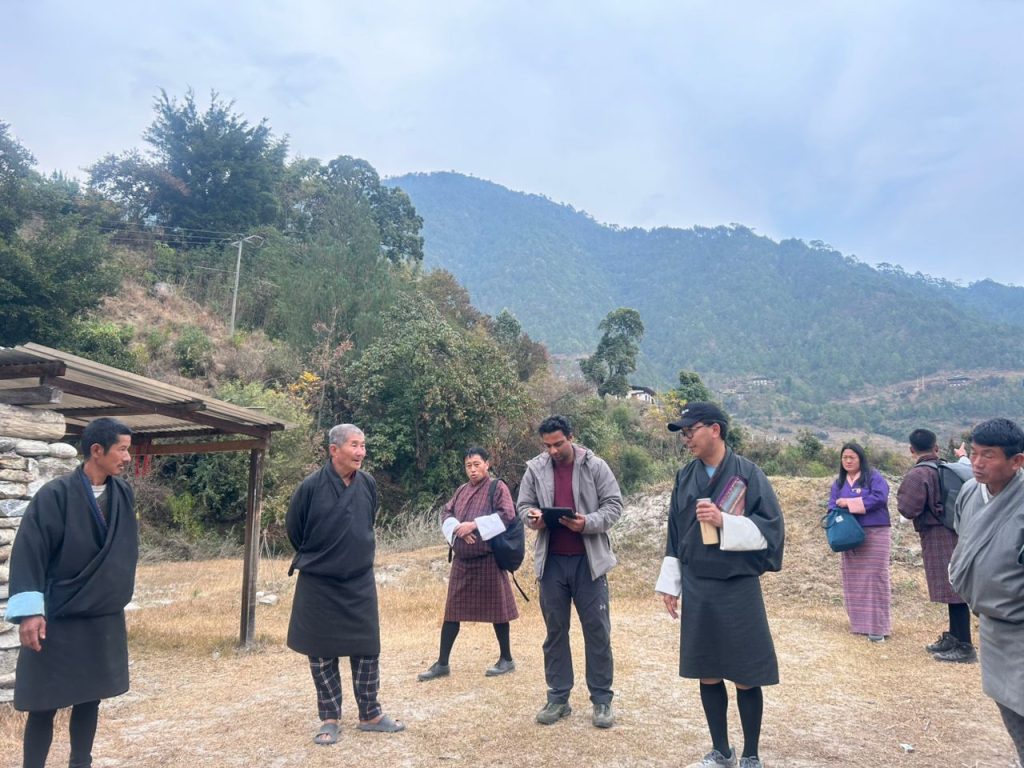
The mission then moved to Yebisa Village, where consultations focused on irrigation challenges, seasonal water shortages, and agricultural practices.
Technical experts explored the feasibility of solar-powered lift irrigation systems, while community members shared lived experiences and urgent needs. The engagement reinforced the importance of locally grounded, practical solutions.
Continued Mapping and Technical Assessments
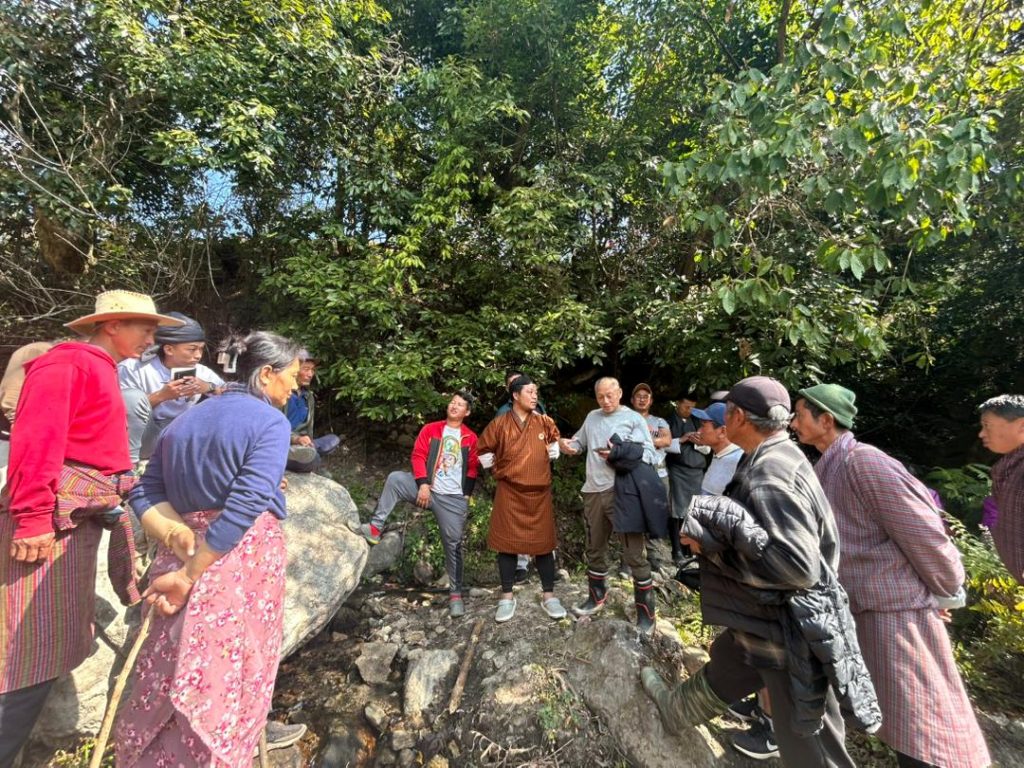
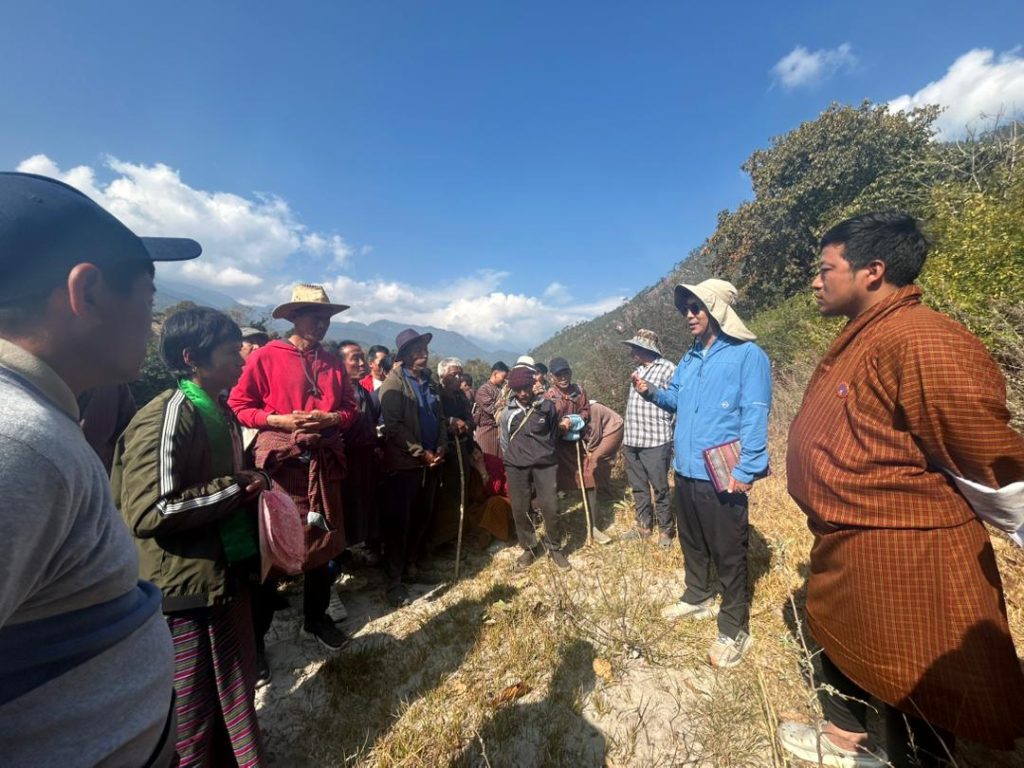
Participatory mapping continued in Yebisa, combining community knowledge with technical expertise. The team:
- Identified potential water delivery points
- Assessed terrain and elevation
- Documented land use and cropping cycles
This collaborative approach ensured that proposed solutions remain cost-effective, sustainable, and aligned with community priorities.
Technical Validation and Coordination
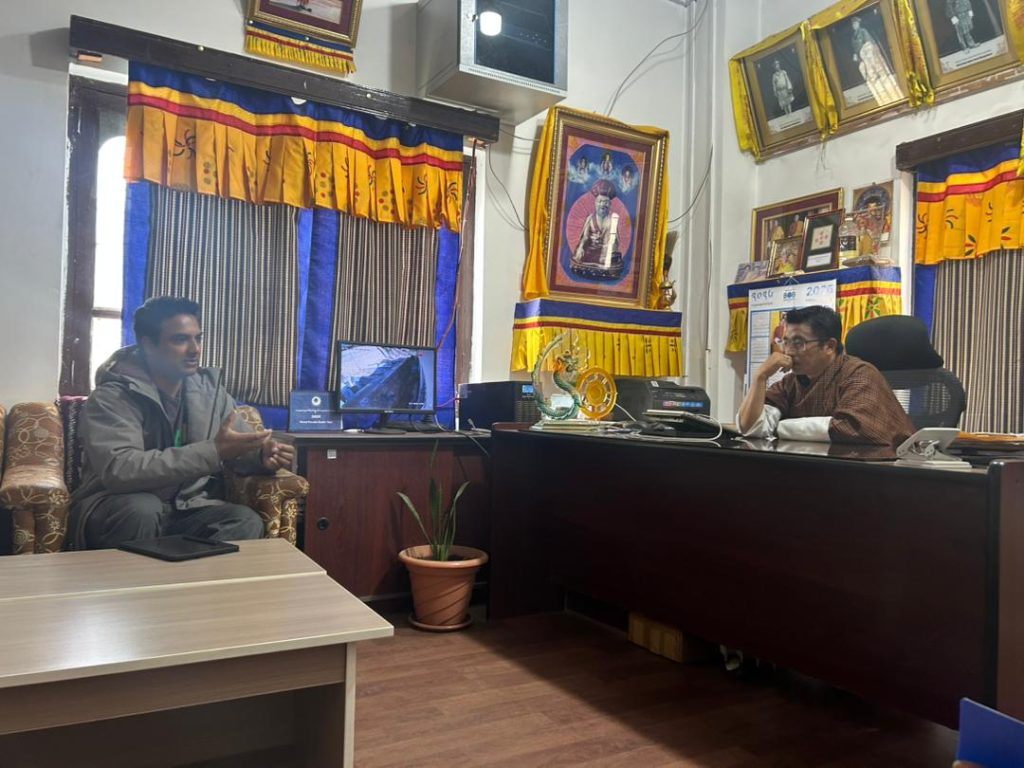
The mission concluded with technical consultations with key agencies, including the Irrigation Division and Bhutan Power Corporation.
Discussions focused on:
- Grid connectivity and transformer requirements
- Transmission lines and safety standards
- Validation of technical feasibility
Findings confirmed that solar-powered lift irrigation systems are viable in both Tili and Yebisa. The process also clarified institutional roles and strengthened coordination for the next phase.
A Collaborative Achievement
Over five days, the mission successfully combined technical assessments with participatory engagement, generating critical insights for project design and implementation.
This effort highlights the strength of collaboration between communities, government agencies, and technical partners, demonstrating how shared knowledge leads to sustainable solutions.
HI-CAS Project Official Launch in Bhutan
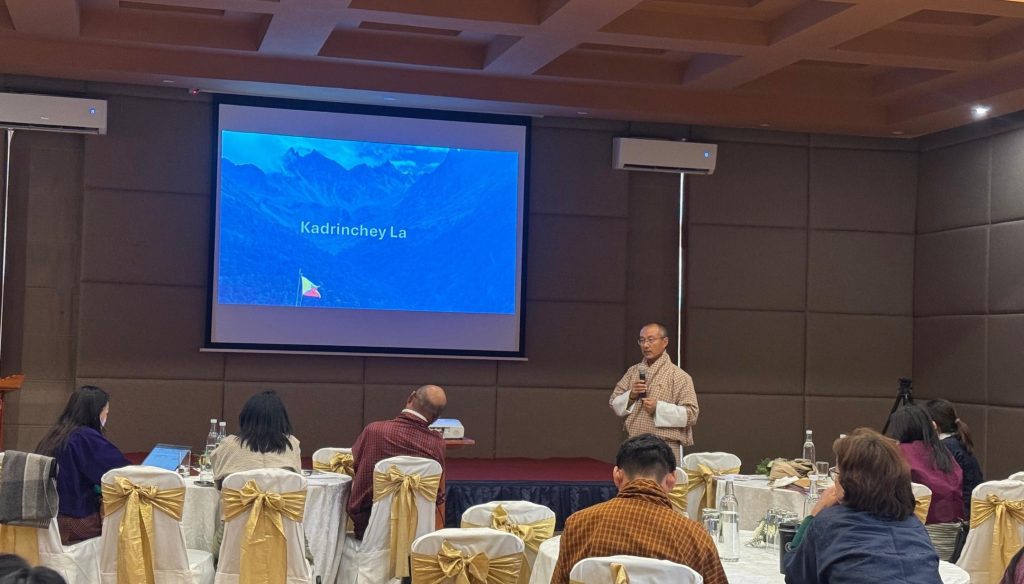
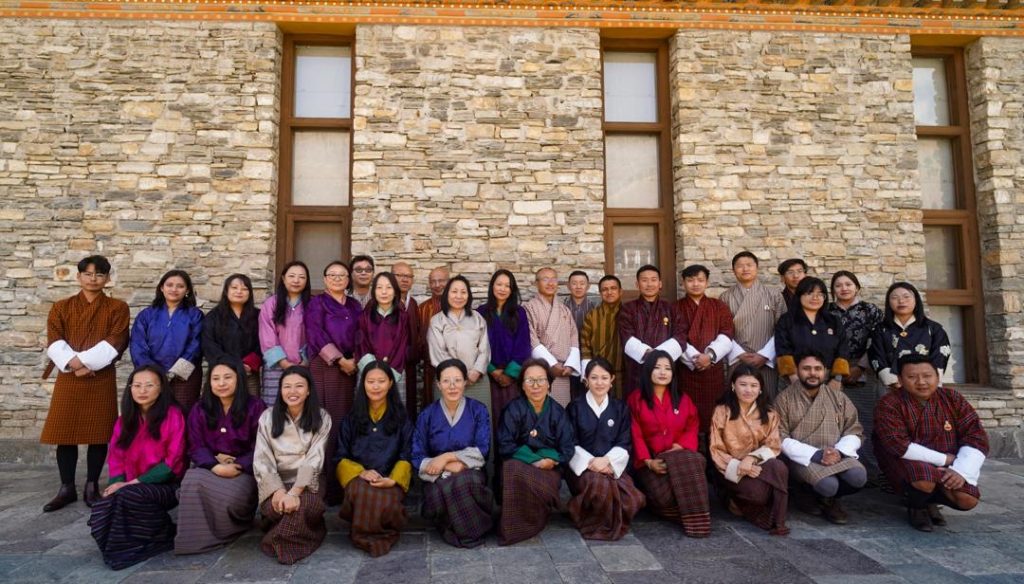
Following the successful inception phase, the HI-CAS Project was officially launched in Bhutan, marking a significant milestone in advancing climate resilience.
The project focuses on:
- 🌱 Springshed management
- ⚡ Renewable energy solutions
- 🌾 Agro-biodiversity
- 🏛️ Strengthening institutional capacity
With a target to benefit over 8,000 community members, HI-CAS aims to promote gender-responsive, locally tailored climate adaptation strategies.
The launch brought together a wide range of stakeholders, fostering dialogue, knowledge sharing, and a shared commitment to coordinated climate action.
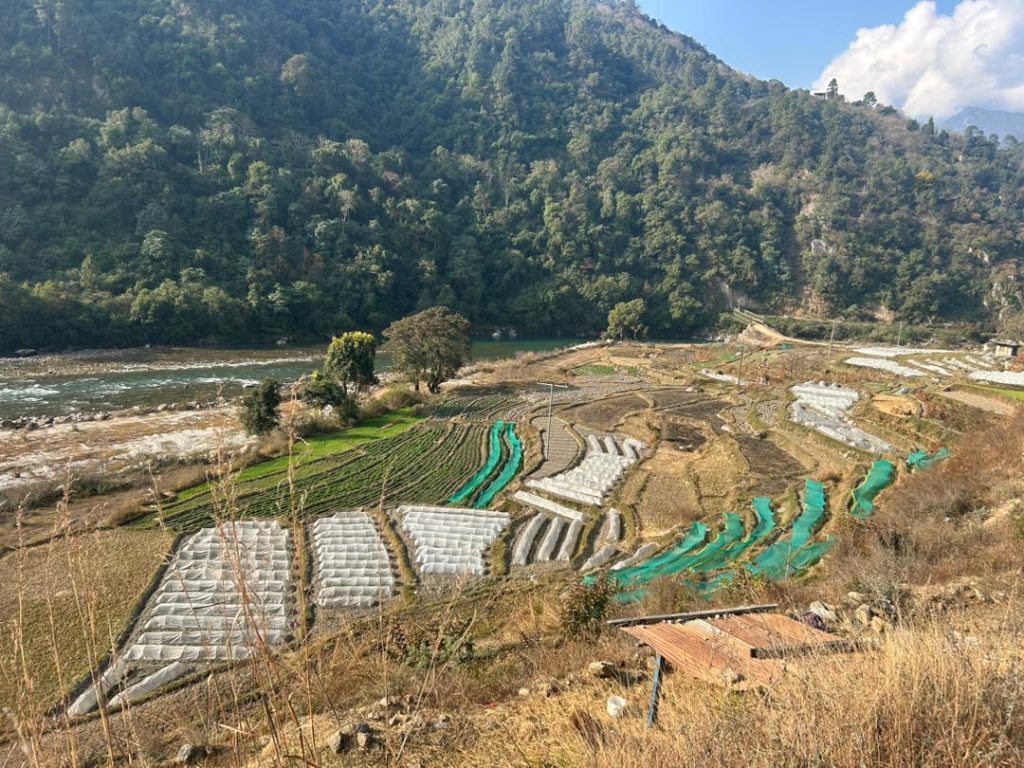
District-Level Launch Events
District-level awareness and launch programs were held in Paro and Punakha Dzongkhags, engaging sector heads, gewog representatives, and local stakeholders.
Key highlights include:
- Introduction to project objectives and implementation strategies
- Focus on climate-resilient agriculture and sustainable livelihoods
- Strengthening coordination among local institutions
The pilot sites include:
- Tili Village (Shaba Gewog, Paro) – 48 households (350 people)
- Yebisa Village (Punakha)
The initiative is expected to benefit approximately 8,250 people across the two Dzongkhags.
Strengthening Water Knowledge for Resilient Communities
As part of ongoing efforts to improve water resource management under HI-CAS, targeted spring data collection and documentation activities were conducted.

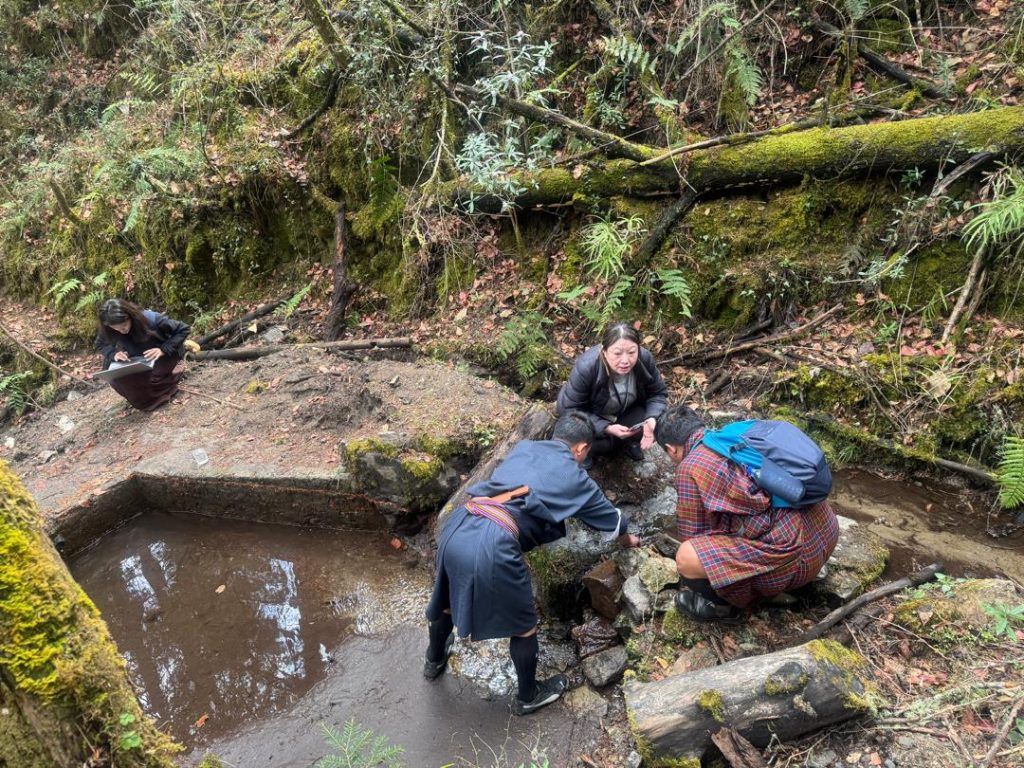
On 18–19 March, a team led by the Springshed Management Officer conducted field assessments at Woolitenkha Chu in Pangbisa, Luni Gewog (Paro). The activity focused on evaluating the spring’s condition, usage, and flow, generating critical insights to support sustainable water planning.
Building on this effort, the team visited Yebisa Village on 22–23 March 2026, documenting key water sources including:
- Mekulum Chu
- Zimtsilum Chu
- Natsalum Chu
- Do Jangchu
These sources play a vital role in both the community’s drinking water supply and irrigation systems.
Key activities included:
- Mapping spring locations
- Documenting source characteristics
- Understanding water use and distribution systems
By combining technical data with local knowledge, Tarayana is strengthening baseline information to support long-term water security, sustainable resource management, and community resilience.
Strengthening Communities Through Inclusion
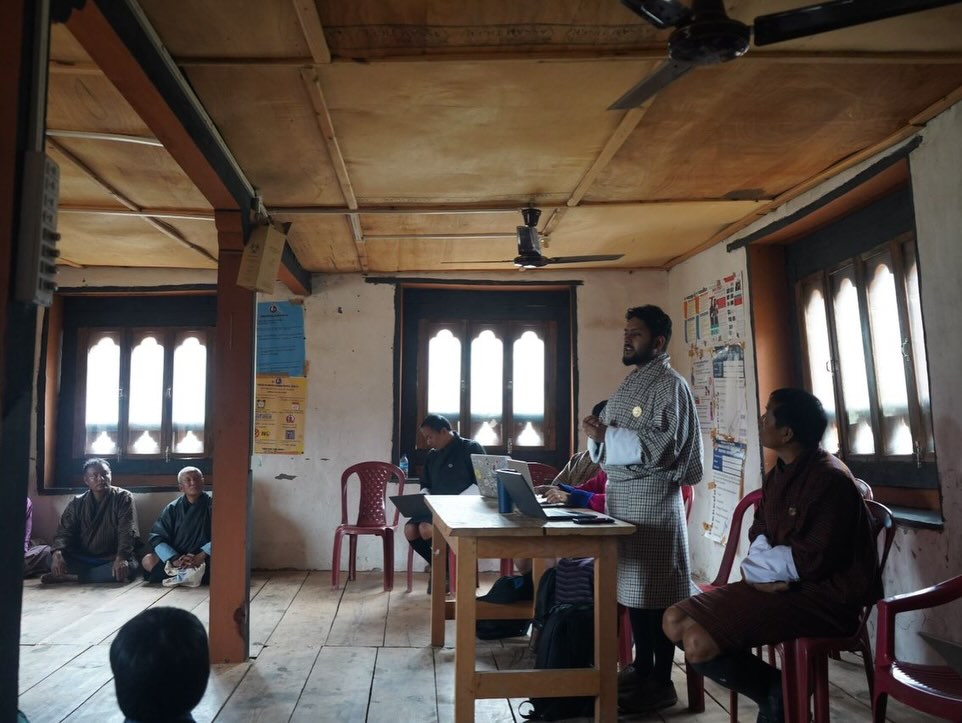

In the second week of March, follow-up community engagements were conducted in Tili and Yebisa, focusing on:
GESI-Responsive User Groups
Communities participated in forming Gender Equality and Social Inclusion (GESI)-responsive user groups, ensuring representation of:
- Women
- Persons with disabilities
- Diverse community voices
Through interactive discussions, members reflected on leadership, inclusion, and shared responsibility, which led to the establishment of locally driven, inclusive community platforms.
Agro-biodiversity Consultations
As a key component of HI-CAS, agro-biodiversity activities were introduced to communities. The team:
- Assessed existing practices
- Identified opportunities for diversification
- Aligned activities with local needs and knowledge
These discussions strengthened awareness of sustainable land use and long-term resilience strategies.
Moving Forward
From field consultations to national and district-level launches, the HI-CAS Project demonstrates a clear pathway:
from listening → to planning → to action.
By placing communities at the center and integrating technical expertise with local knowledge, HI-CAS is building practical, inclusive, and climate-resilient solutions for Bhutan’s future.