
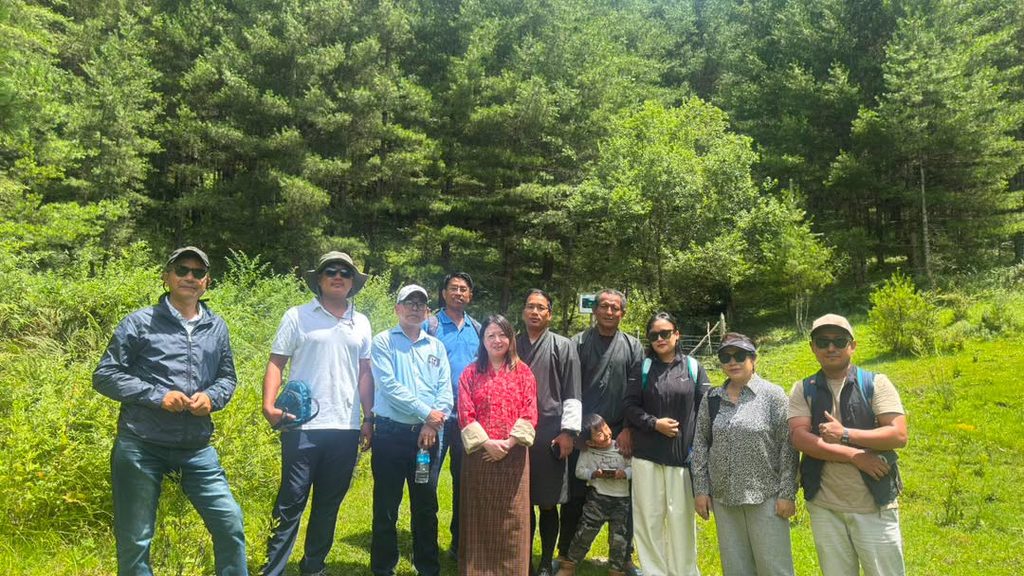
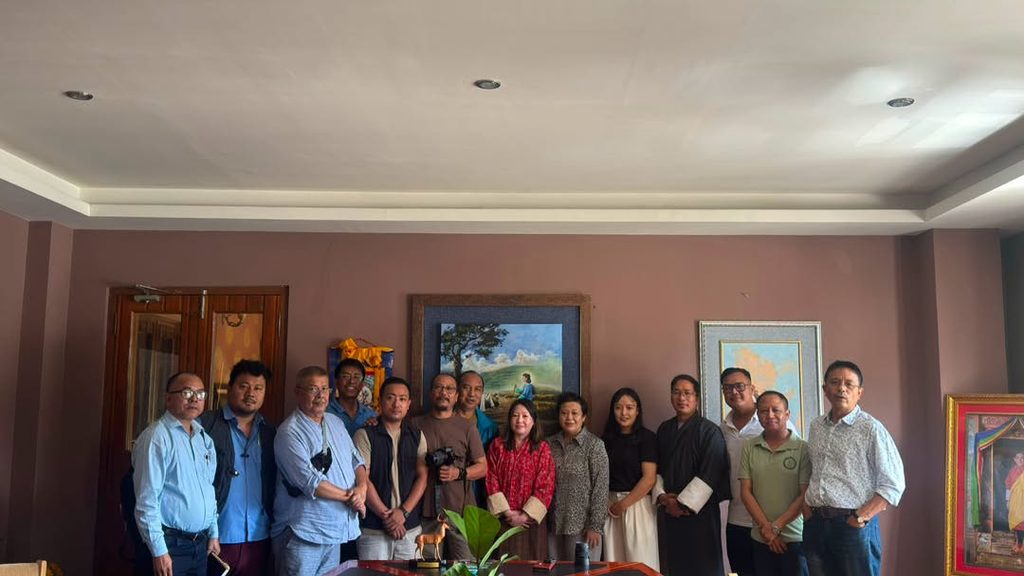
The Foundation welcomed a 12-member team from the Media Resource Centre (MRC), Manipur, India, accompanied by three officials from the Directorate of Environment and Climate Change, Manipur, on 14 August 2026 for an exposure visit focused on springshed management, spring rejuvenation and community-based water security.
The visit provided an opportunity for cross-border learning and exchange, with the visiting team engaging with Tarayana to learn from its experience in implementing the Springshed Initiative and its grassroots approach to spring revival. Discussions highlighted the important role of communities in protecting, managing and sustaining local water sources.
As part of the visit, the team travelled to the Barachhu spring intervention site in Tsaluna Village, Mewang Gewog, Thimphu, where they interacted with the local Water Caretaker and learned about spring source protection, recharge enhancement and community-led efforts to safeguard water security.
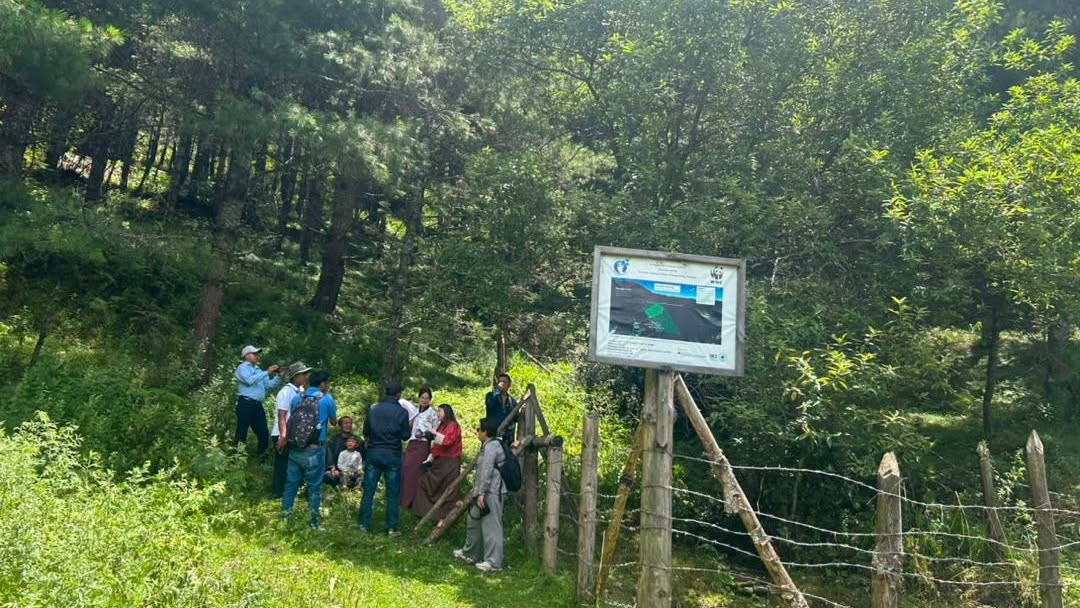
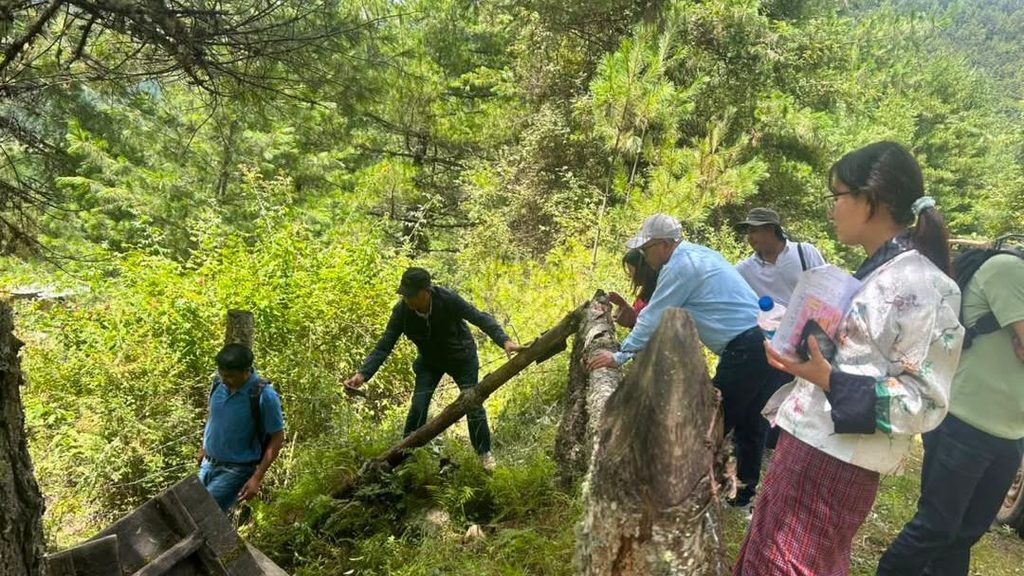
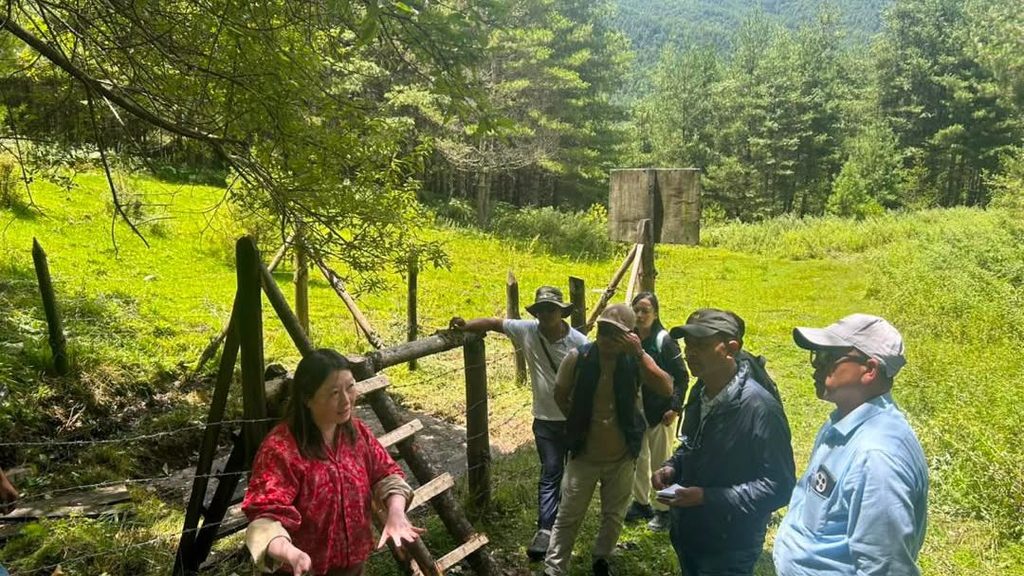
The exchange reflected a shared reality between Bhutan and Manipur, where many mountain communities depend on natural springs for their daily water needs. With springs increasingly affected by climate change and environmental pressures, sharing experiences and learning from locally led solutions is vital to strengthening water security.
The visit also built on the MRC team’s earlier learning engagement with ICIMOD in Kathmandu in 2025, where they explored the challenges of drying springs across the Himalayas and approaches to their revival.
For Tarayana, such exchanges reinforce the importance of local knowledge, community stewardship and knowledge sharing in building resilient communities. They also highlight the role of media and communication professionals in bringing environmental challenges, community voices and locally led solutions into wider public conversations.
Through continued learning and collaboration across the Himalayas, experiences from Bhutan and Manipur can contribute to stronger community action to protect springs, sustain mountain livelihoods and secure water for future generations.