
World Water Week 2026: Water for People and Progress
Water sustains our homes, farms, livelihoods, and ecosystems. Yet, across Bhutan’s changing landscapes, water sources are increasingly affected by changing weather patterns, land-use changes, environmental degradation, and human activities. Protecting water, therefore, is not the responsibility of one community, one institution or one day. It is a shared responsibility that begins at the source and extends across the landscapes and communities connected to it.
Under the theme “Water for People and Progress,” Tarayana Foundation observed World Water Week 2026 through a series of community-based activities across its project areas. The activities brought together communities, Payment for Ecosystem Services (PES) providers, local businesses, students, teachers, and other stakeholders to reflect on the importance of water, understand the challenges facing local water systems and, most importantly, turn awareness into practical action.
Protecting Water at Its Source

The observance began with community action in Dogar Gewog, Paro, where community members came together to clean water sources, water tanks and trenches in potential recharge areas.
While these activities may appear simple, they are important in maintaining healthy water systems. Clean and protected water sources and recharge areas help sustain water availability for households, agriculture, and ecosystems. The activity also reinforced the connection between upstream landscapes and the communities that depend on the water flowing from them.
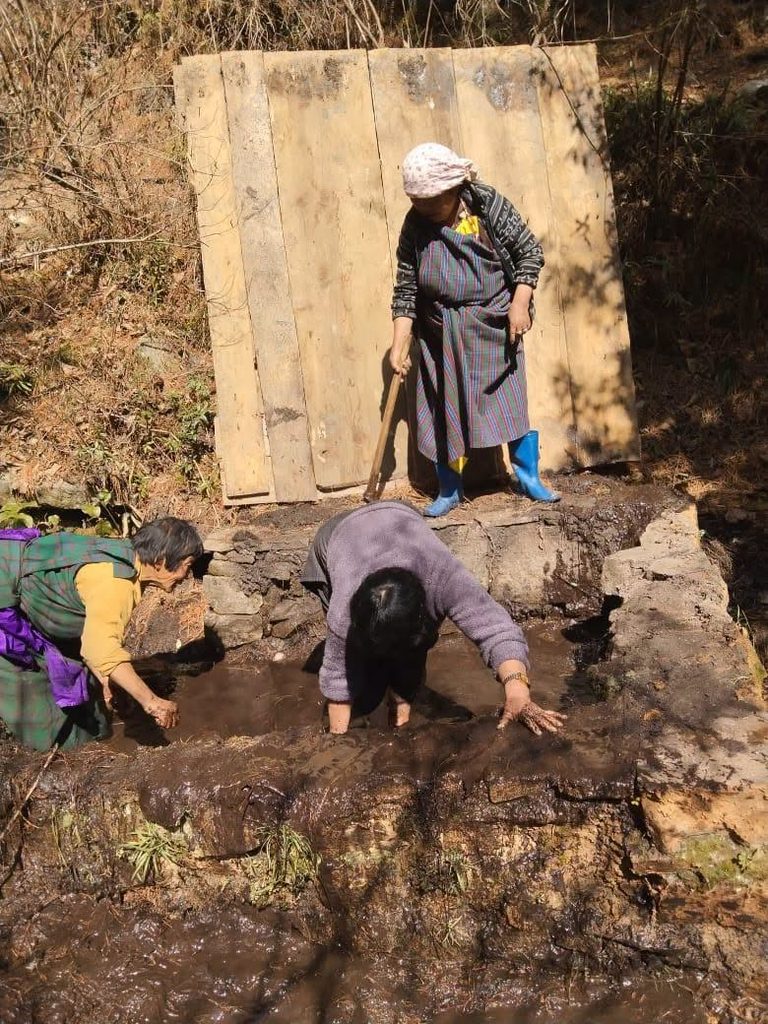
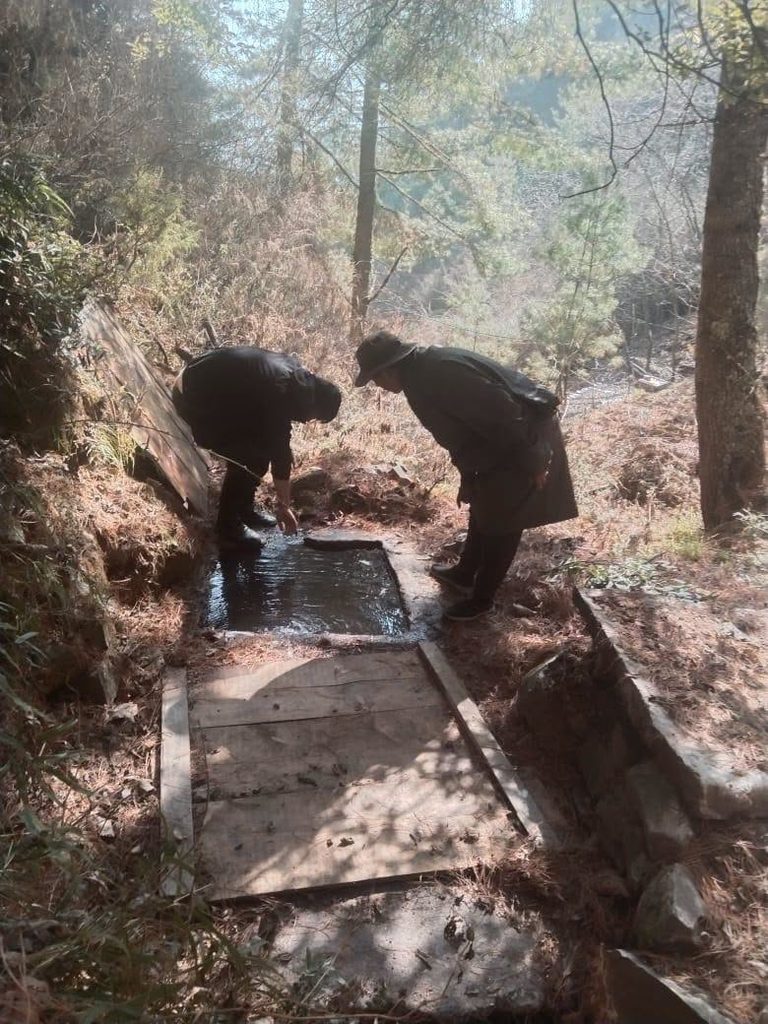
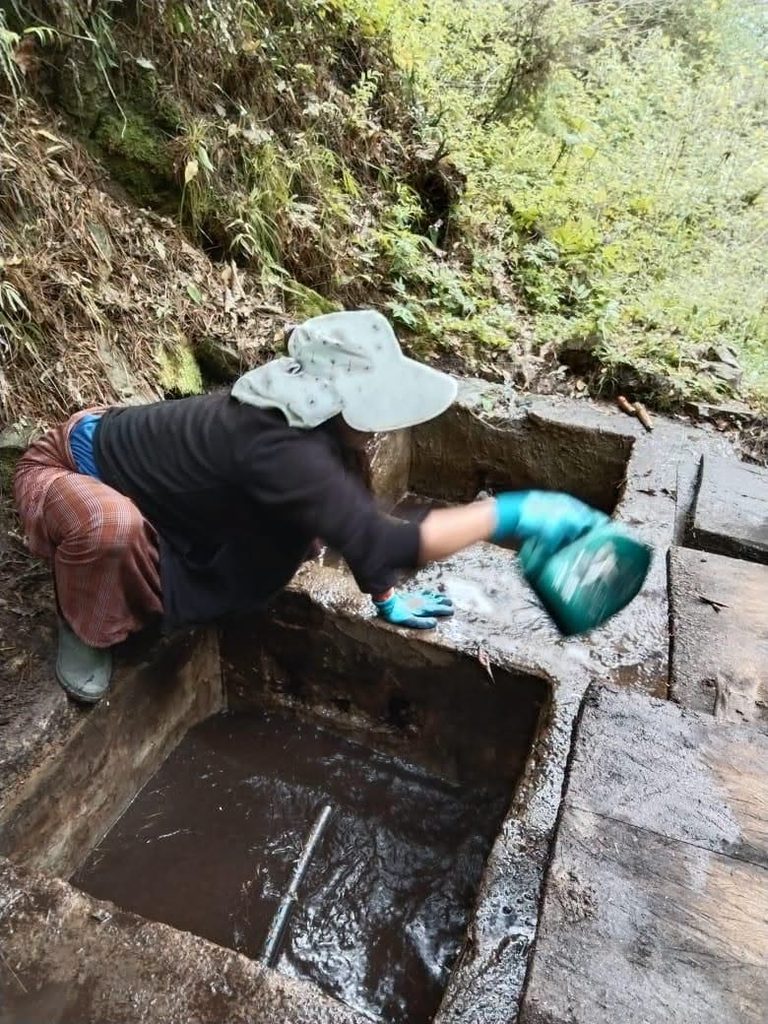
The message was clear: protecting water begins with protecting the land and landscapes that sustain it.
Strengthening Stewardship in the Omchhu Watershed
The World Water Week observance continued along the Wangduegatshel to Phuentsholing corridor, where Tarayana brought together PES service providers, community members, small hoteliers and other stakeholders to reflect on the Omchhu Watershed and the shared responsibility of protecting its water resources.
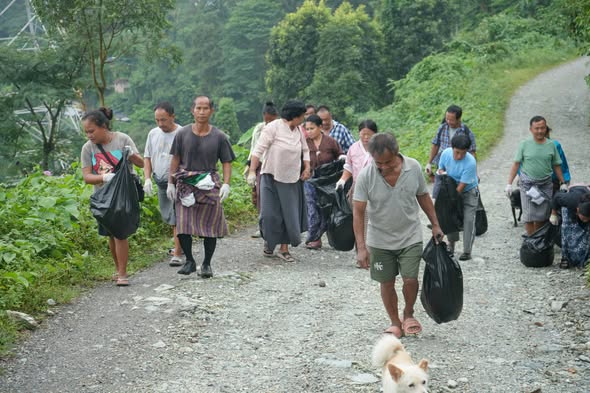
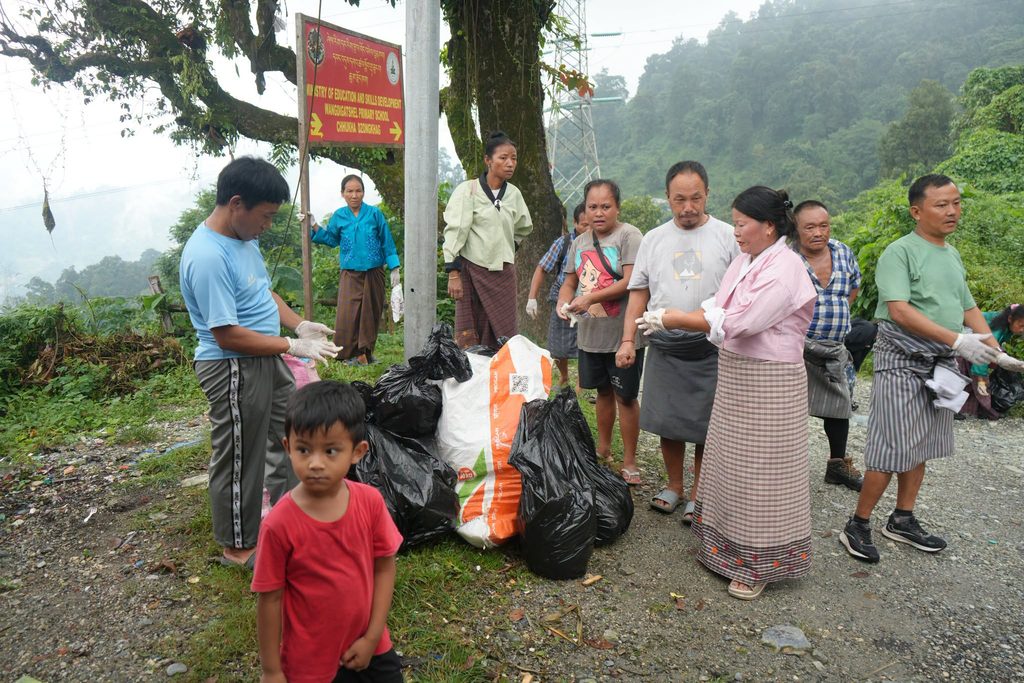
For PES service providers, the engagement provided an opportunity to reflect on their journey since the establishment of the Omchhu PES Scheme. Participants shared their experiences, achievements and challenges, while discussing changes they have observed in water sources, ecosystems and community conservation practices.
Among the concerns raised were improper waste disposal, limited access to waste collection and disposal services, inadequate waste segregation, blocked drainage, heavy rainfall, landslides and soil erosion during the monsoon.
The discussions moved beyond identifying challenges to exploring practical solutions. These included improved waste collection and disposal systems, waste segregation at source, regular community clean-ups, better drainage maintenance, tree and bamboo planting, check dams and stronger community participation.
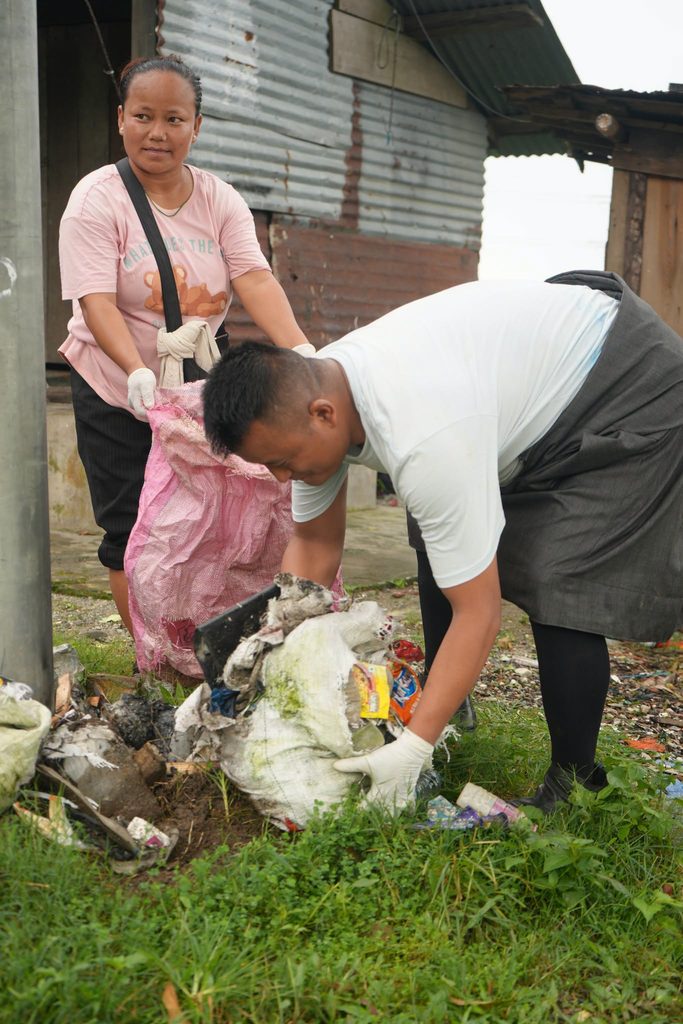
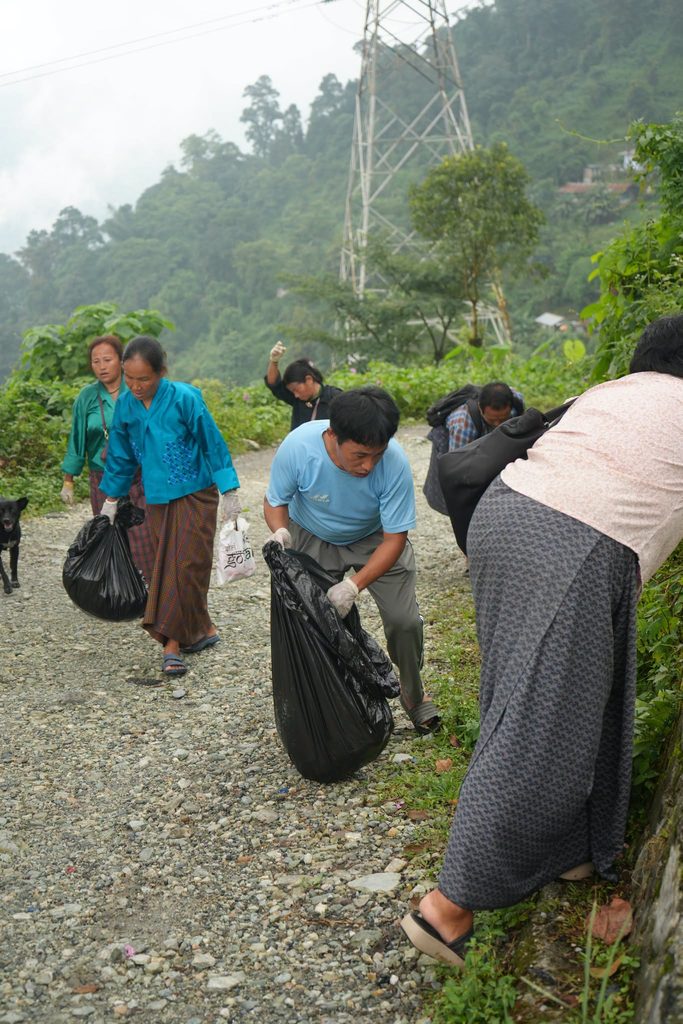
The reflection was followed by a waste collection and environmental stewardship activity, allowing participants to put their discussions into action and demonstrate that protecting a watershed requires more than conversation, it requires collective effort.
Connecting Waste, Water and Communities
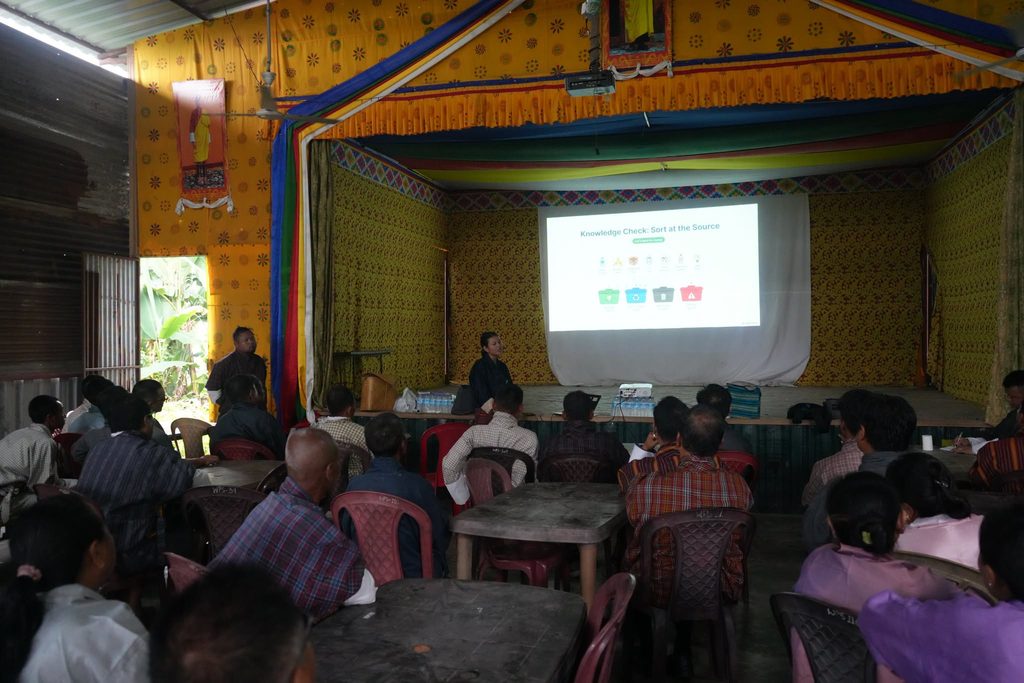
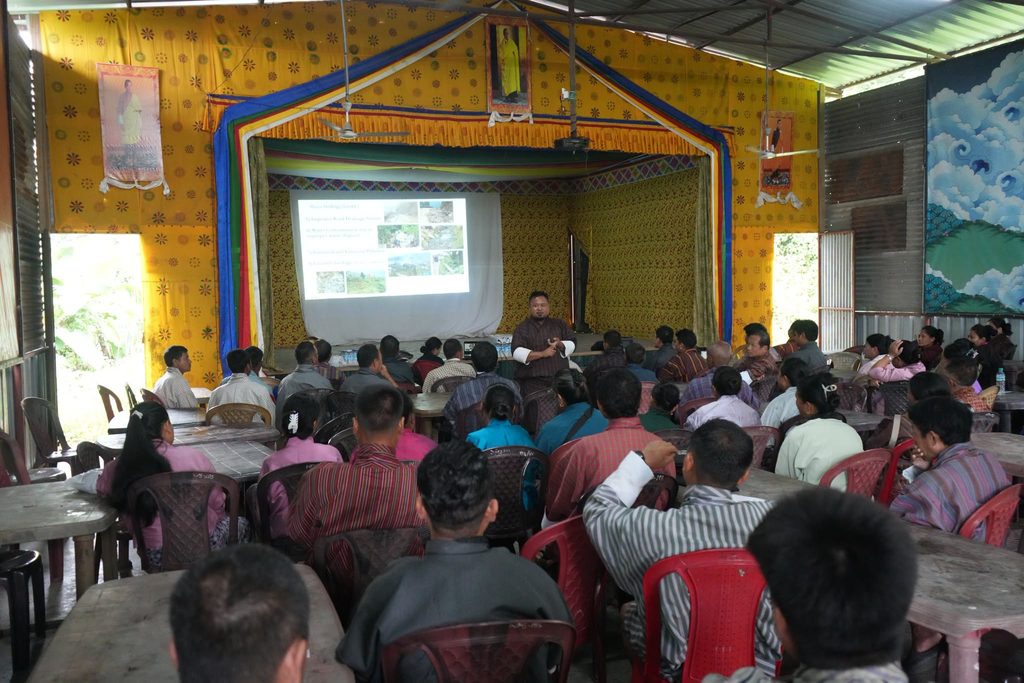
The second day focused on small hoteliers and hospitality businesses within the Omchhu Watershed, creating a space to examine the relationship between waste management and water security.
Through interactive discussions and practical demonstrations, participants explored simple but important actions such as providing separate bins for waste segregation, improving access to appropriate disposal facilities, maintaining drainage systems, and strengthening awareness among students, families, and the wider community.
Participants also highlighted the need for improved waste management facilities along highways and public areas, as well as nature-based measures such as tree and bamboo planting and soil and water conservation in vulnerable areas.
The discussions reinforced an important understanding: what happens on the land eventually affects the water. Waste that is improperly disposed of can enter drains, streams, and water sources, affecting ecosystems and the communities that depend on them.
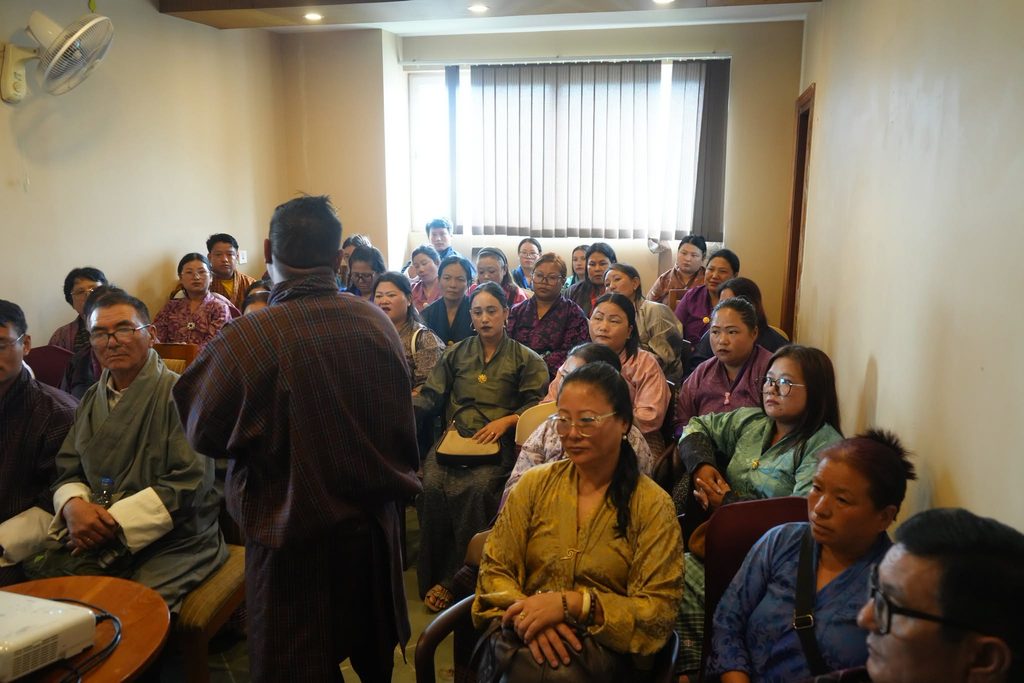
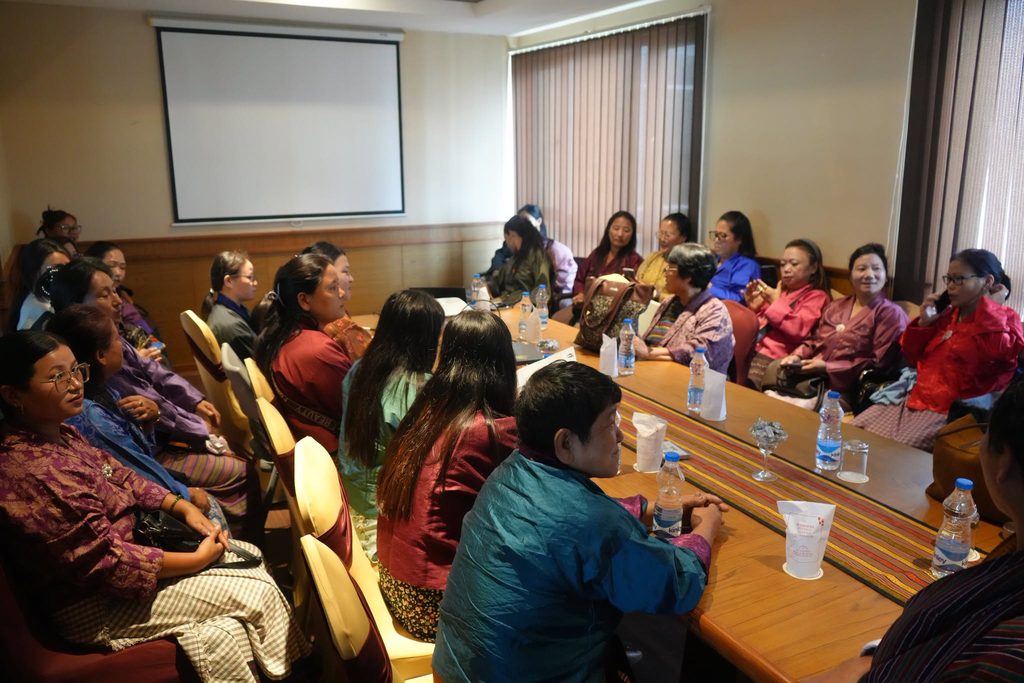
Through the PES approach, upstream communities and downstream beneficiaries are connected by a shared responsibility to protect the ecosystems that sustain water and livelihoods. The Omchhu experience demonstrates how this connection can encourage communities and other water users to become active stewards of their watershed.
Bringing Water Learning to the Next Generation
As World Water Week drew to a close, the focus shifted to children and the wider community in Metakha Gewog, Chukha Dzongkhag.
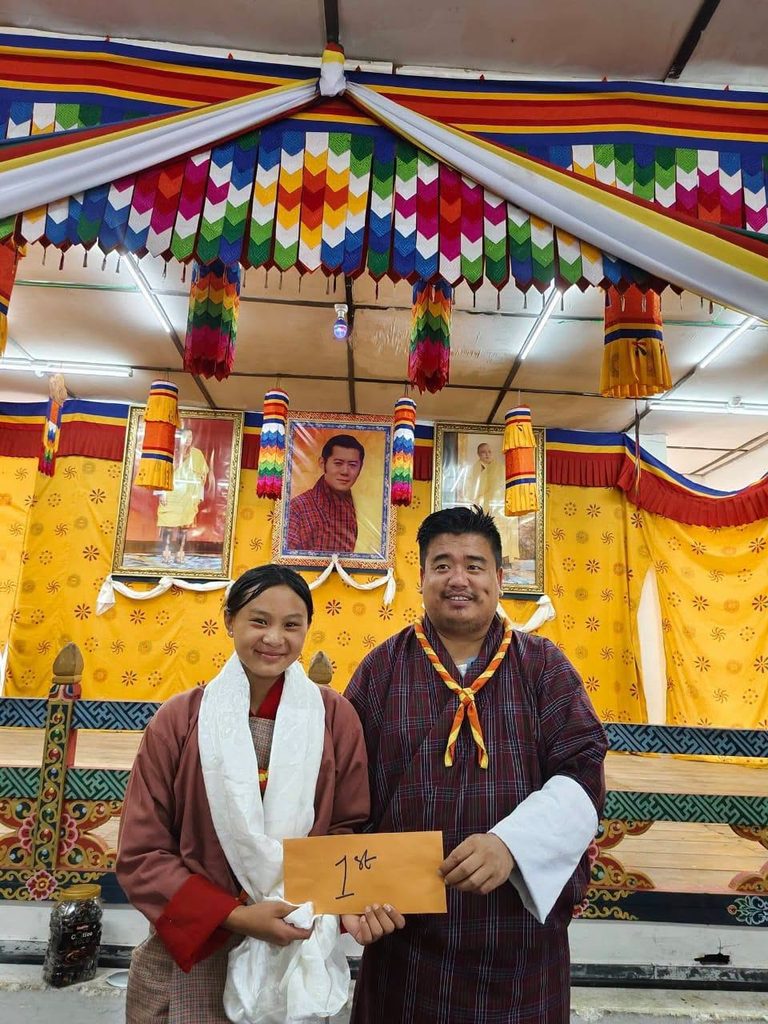
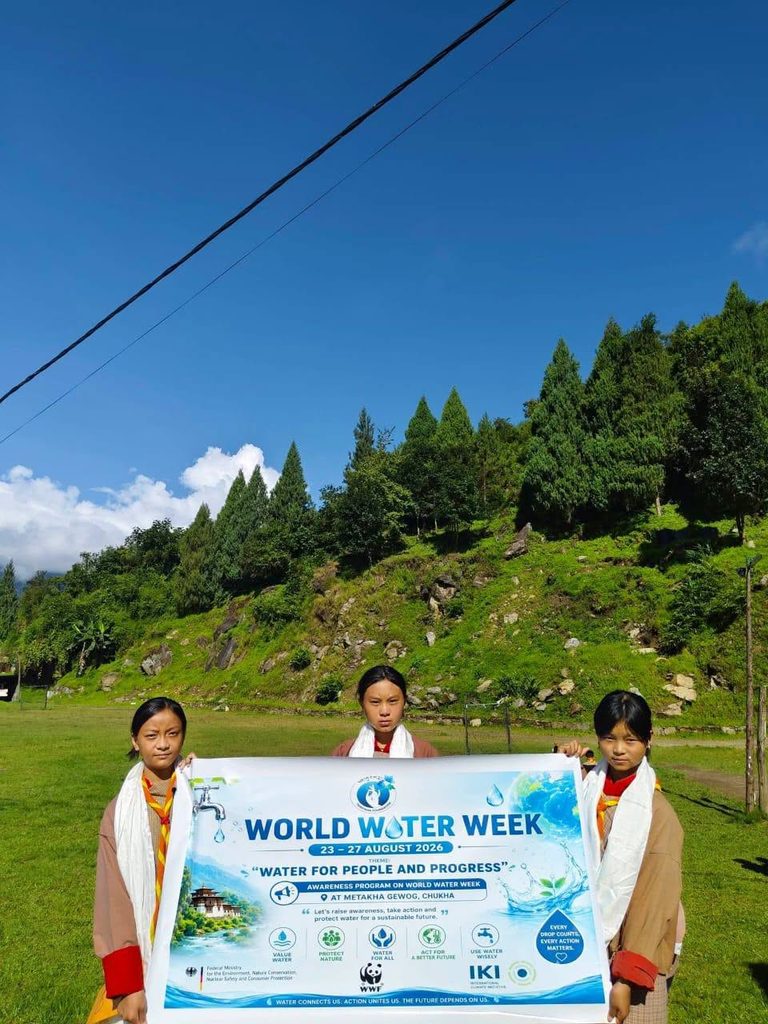
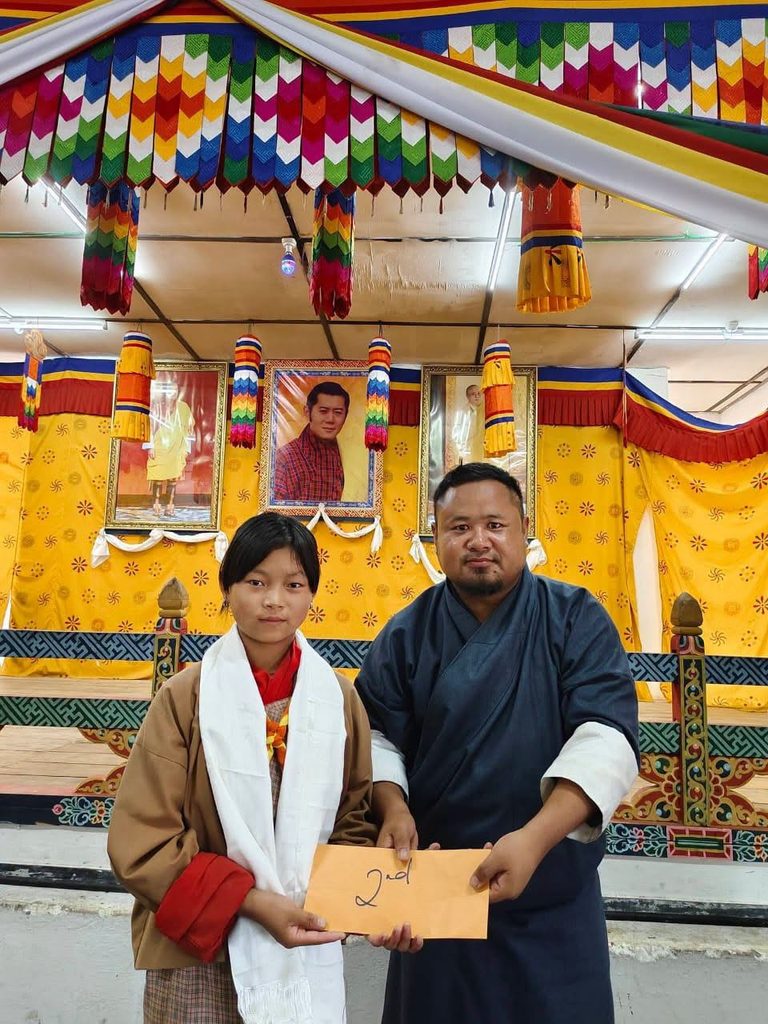
At Metakha Primary School, students took part in an essay writing competition on the theme “Water for People and Progress.” Through their writing, the students reflected on water conservation, responsible water use, and the importance of protecting water for the future.
Their participation offered a reminder that building water-secure communities begins with awareness and learning from an early age. Young people are not only future custodians of water resources; they are already important voices in shaping how families and communities think about water.
The school-based activities were complemented by a community awareness programme on water conservation and responsible water management, followed by the cleaning of community water tanks.
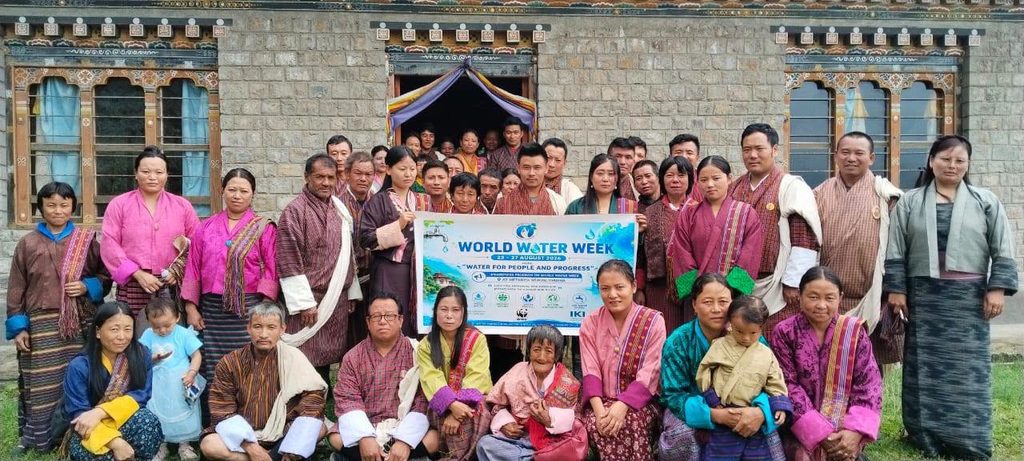
A total of 47 community members from Eukha, Goampatoed and Goanpamaed chiwogs took part in the activities, demonstrating how collective action can help maintain the water systems that communities depend on in their daily lives.
From Awareness to Action
Across the different activities, one message emerged consistently: water security is inseparable from the health of our communities and landscapes.
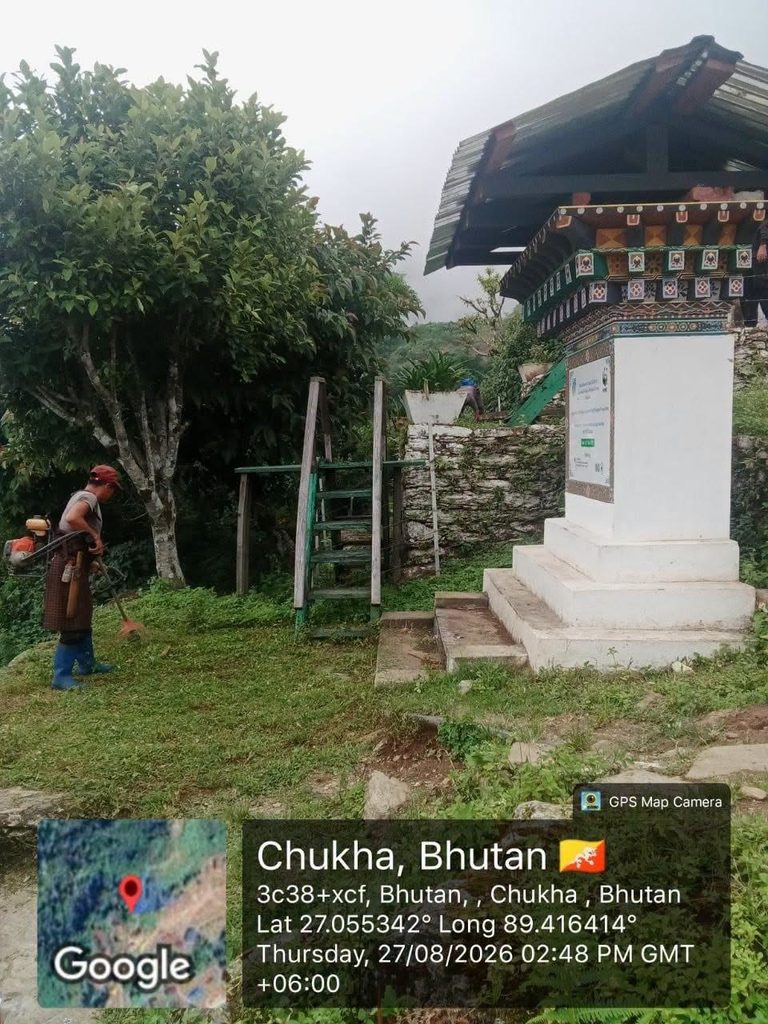
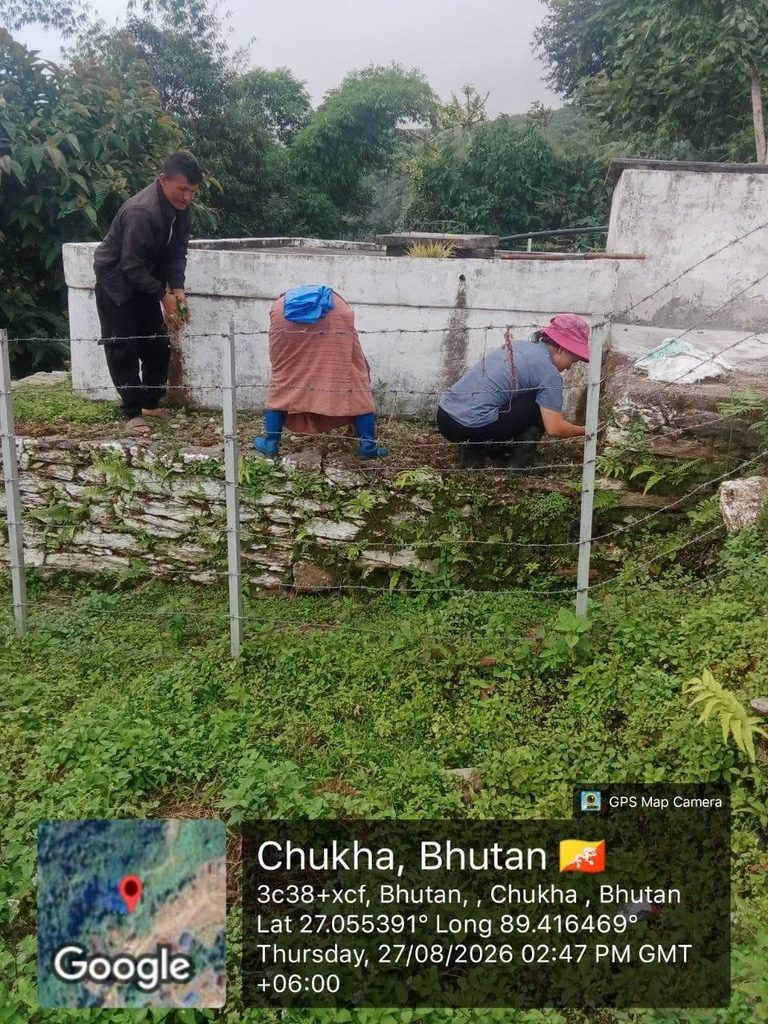
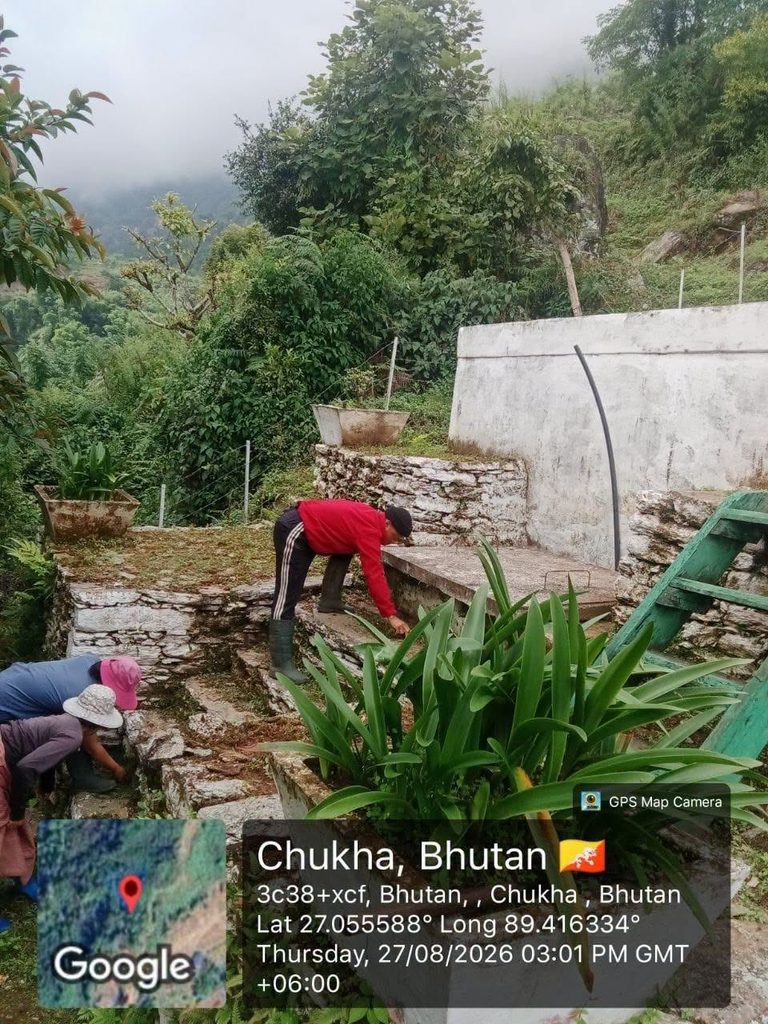
Whether through protecting a spring and recharge area, cleaning a water tank, keeping drainage systems clear, managing waste responsibly, restoring vulnerable landscapes or teaching children to value water, every action contributes to the larger effort to safeguard water resources.
World Water Week 2026 also demonstrated that communities are ready to take responsibility for the resources they depend on. At the same time, lasting solutions require collective support, appropriate infrastructure, sustained awareness and collaboration among communities, institutions, businesses and other stakeholders.
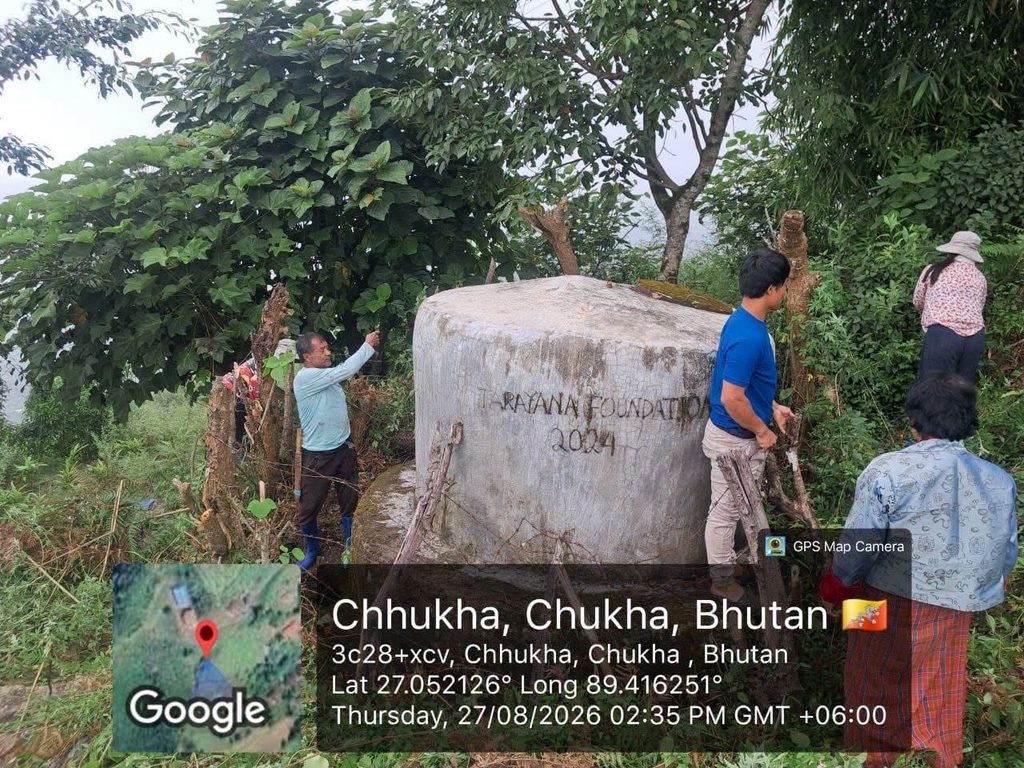
For Tarayana Foundation, the observance was therefore not simply a celebration of water, but an opportunity to strengthen a culture of shared responsibility, community stewardship and action.
From the source to the watershed, from the classroom to the community, the World Water Week journey brought people together around a common understanding: water is for everyone, and protecting it is everyone’s responsibility.
As the activities concluded, the commitment continues, one water source, one community and one generation at a time.
Because water is more than a resource. Water is life.
The World Water Week 2026 activities were carried out under the Living Landscapes project, funded by the German Federal Ministry for Environment, Climate Action, Nature Conservation and Nuclear Safety through the International Climate Initiative (IKI), with support from WWF Deutschland. In Bhutan, the project is implemented by Tarayana Foundation and WWF Bhutan in close coordination with the Department of Forests and Park Services and the National Land Commission Secretariat.