
Tarayana Foundation at UNCCD COP17, Ulaanbaatar, Mongolia
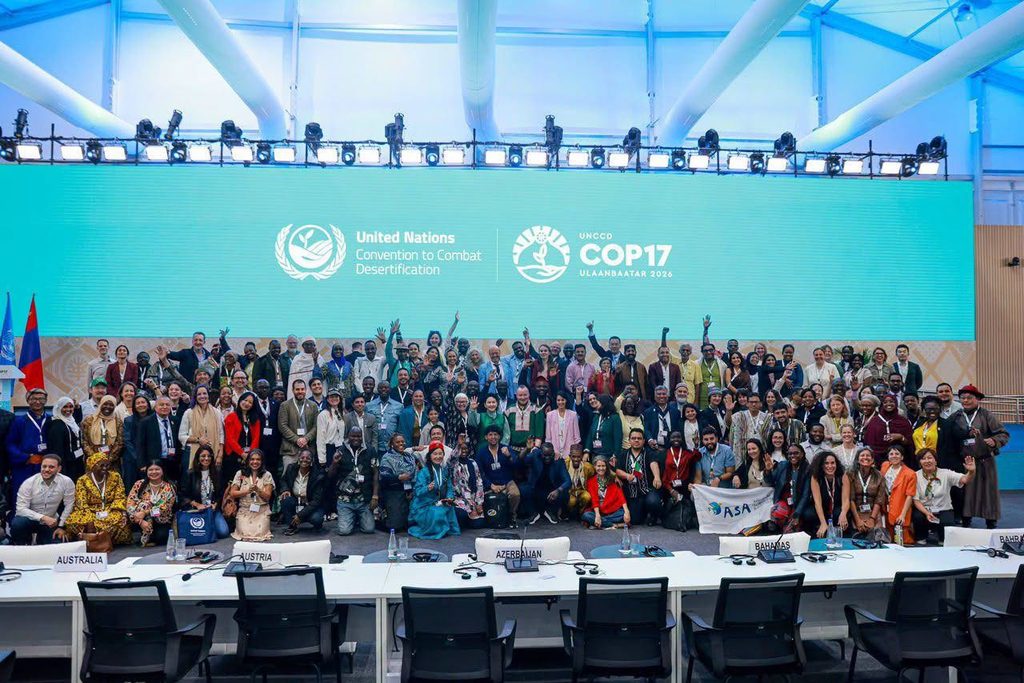
For communities whose lives are closely tied to the land, environmental change is not a distant concern. It is experienced in the fields, forests and water sources that sustain everyday life. Changes in rainfall, prolonged drought, soil degradation and declining land productivity can directly affect food, livelihoods and household resilience.
These realities shaped Tarayana Foundation’s participation in the seventeenth session of the Conference of the Parties to the United Nations Convention to Combat Desertification (UNCCD COP17), held in Ulaanbaatar, Mongolia, under the theme “Restoring Land, Restoring Hope.”
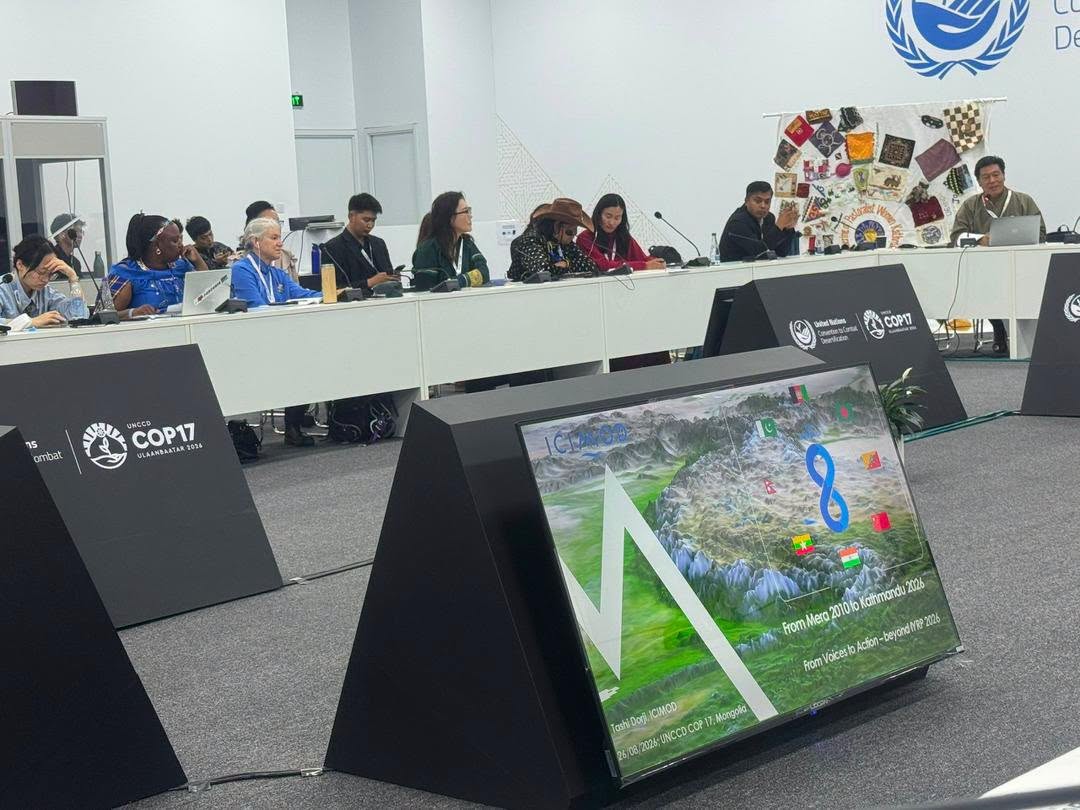
The COP brought together governments, civil society organisations, Indigenous Peoples, scientists, youth, women’s organisations, the private sector and other stakeholders to discuss global responses to land degradation, drought, desertification and sustainable land management.
Representing Tarayana Foundation, the Executive Director participated in sessions, learning exchanges and stakeholder dialogues focused on land restoration, drought resilience, gender equality, community resilience and sustainable land management. Her participation provided an opportunity to share perspectives from Bhutan while learning from experiences and approaches from other countries and organisations.
Bringing Local Voices into Global Conversations
For Tarayana, engagement at a global platform is closely connected to the work taking place with communities across Bhutan.
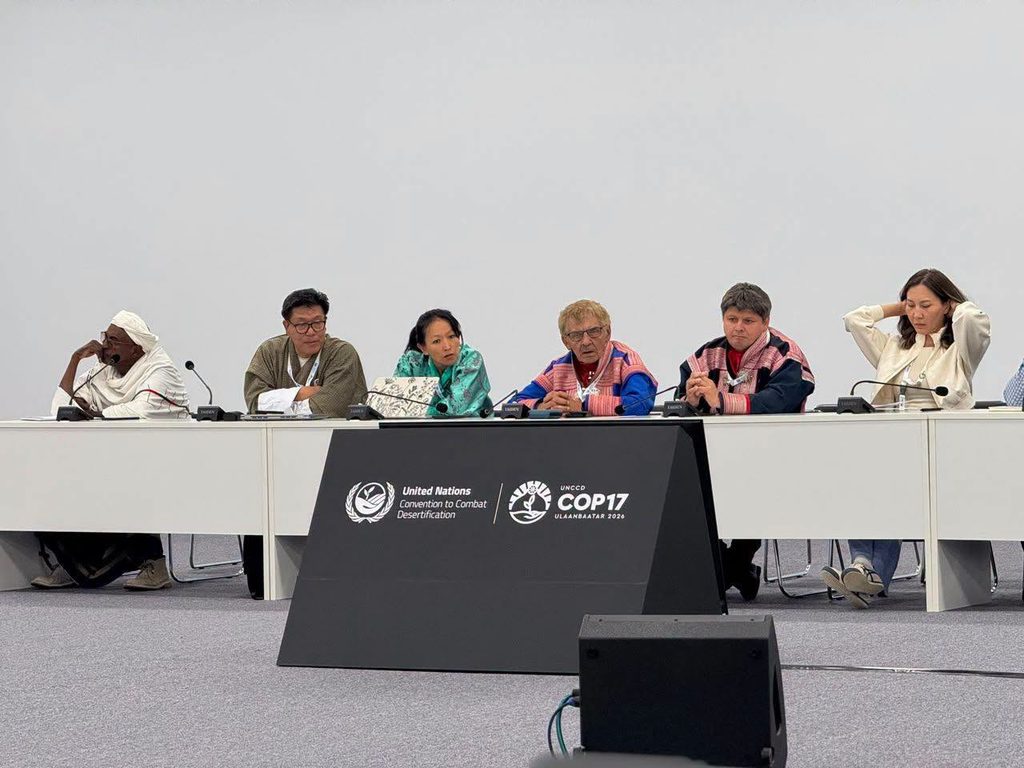
Much of the Foundation’s work begins with a simple understanding: communities know their landscapes. They understand their land, water sources, changing seasons, and the challenges affecting their livelihoods. When this knowledge is combined with technical support, new ideas and appropriate resources, communities are better positioned to develop solutions that respond to their own realities.
This experience informed the Foundation’s engagement at COP17. Discussions on land restoration and climate resilience reinforced the importance of ensuring that global commitments are translated into approaches that are meaningful at the local level.
The voices of farmers, women, pastoralists,and local communities are essential to this process. Their experiences help shape a more grounded understanding of what land restoration and resilience mean in practice.
Strengthening Women’s Leadership
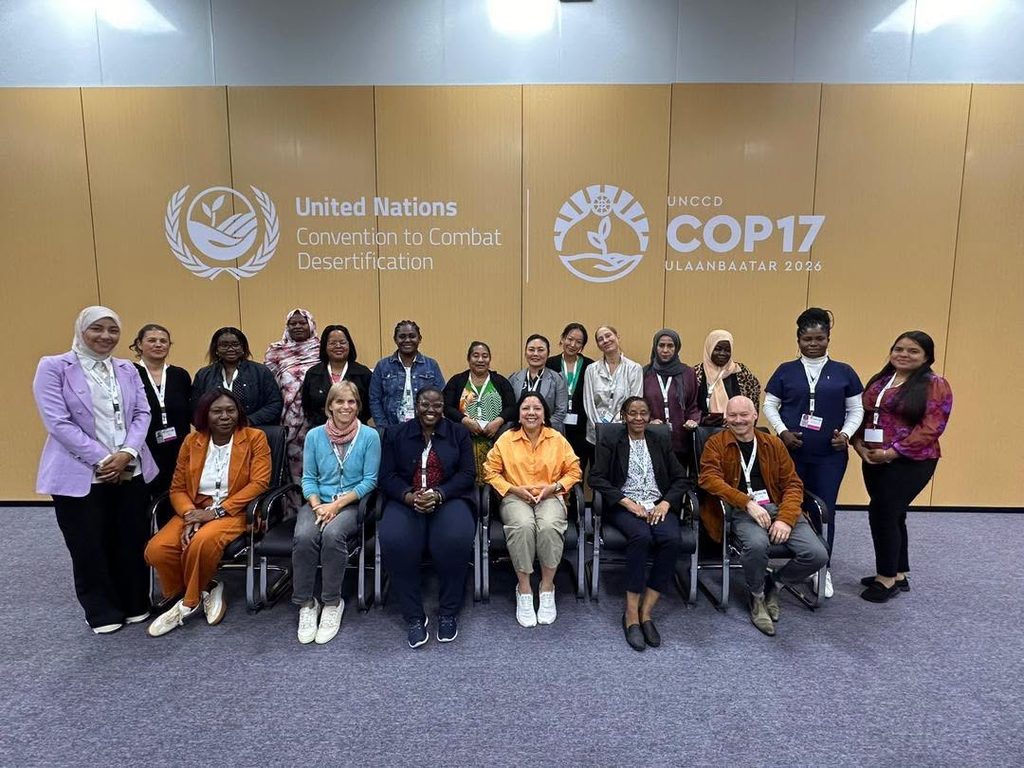
An important part of the COP17 journey was participation in the UNCCD Women Delegates Fund (WDF) programme.
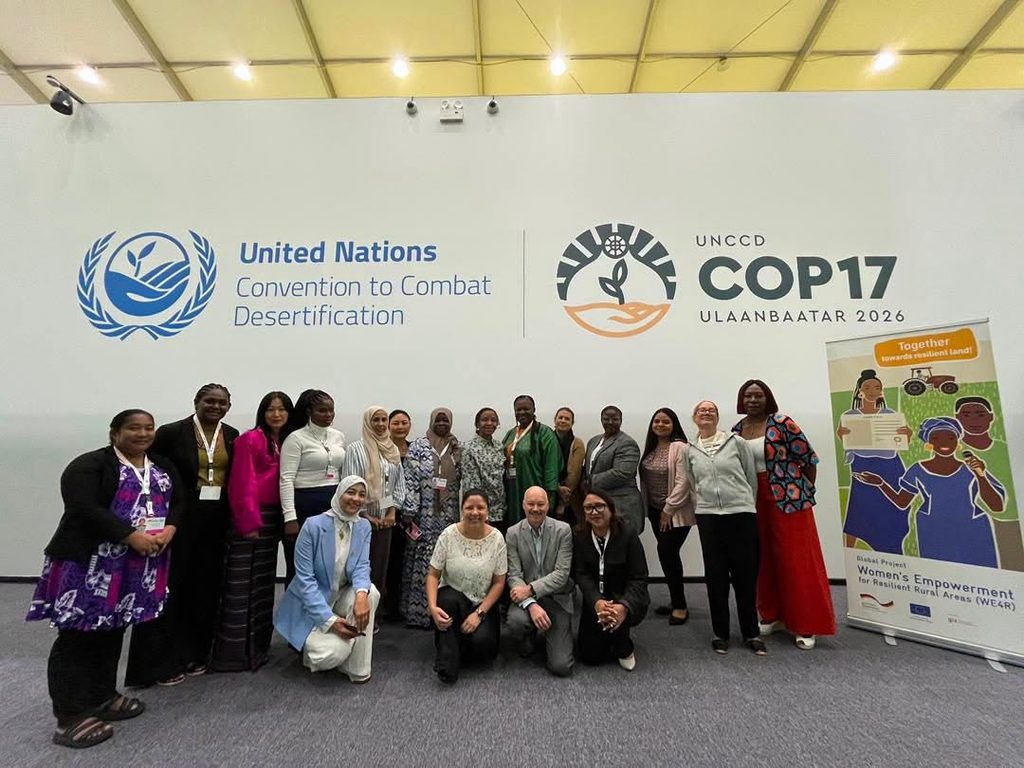
Ahead of COP17, the Executive Director joined women delegates from different parts of the world for the second round of WDF training, delivered by the Centre for Multilateral Negotiations (CEMUNE). The training focused on facilitation, coalition-building, consensus-building and multilateral environmental negotiations.
Beyond negotiation skills, the programme created a space for women from different countries to exchange experiences, build networks and learn from one another. It also highlighted the importance of women’s meaningful participation in shaping decisions on land, climate and environmental governance.
The WDF supports women delegates from developing countries, particularly Least Developed Countries, by providing opportunities for participation, training, networking and capacity building. Such spaces are important in strengthening women’s voices in international decision-making and ensuring that environmental governance reflects diverse experiences and perspectives.
Learning Across Landscapes
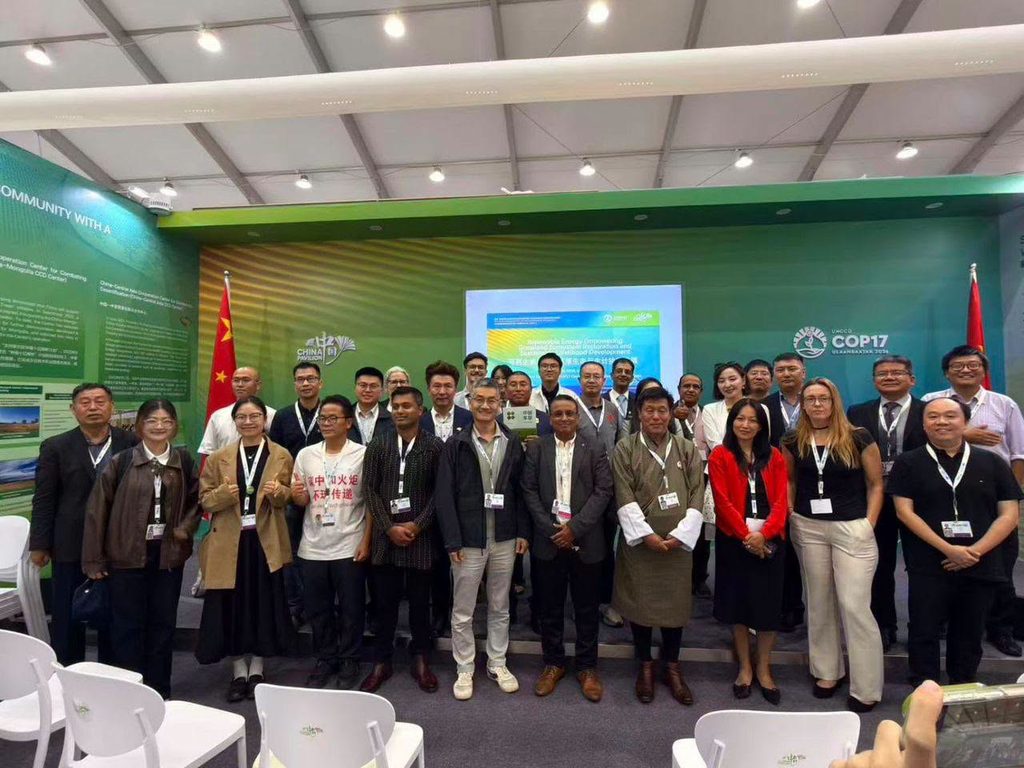
COP17 also became a space for learning beyond national boundaries.
Conversations with practitioners, organisations and stakeholders working on land restoration, drought resilience and sustainable land management offered new perspectives and ideas relevant to Bhutan. At the same time, Bhutan’s own experiences of community-led development and locally grounded approaches provided a valuable perspective to the wider dialogue.
For Tarayana, learning is a two-way process. Experiences from other contexts can inform work on the ground, while lessons emerging from communities can contribute to broader conversations on sustainable development.
This exchange is particularly important as Bhutanese communities continue to navigate changing environmental conditions and pressures on land and livelihoods.
Taking the Global Conversation Home
The value of participating in a global platform ultimately lies in how the learning connects back to people and places.
The Foundation continues to work alongside rural communities on issues that are closely linked to the UNCCD agenda, from sustainable land management and water security to climate adaptation, livelihood resilience and landscape stewardship.
The experience at COP17 strengthens these connections and reinforces the Foundation’s commitment to ensuring that community knowledge and priorities remain central to environmental action.
Global platforms can set directions and create commitments, but lasting change takes shape on the ground in the way land is cared for, water sources are protected, livelihoods are strengthened, and communities work together to respond to change.
From Bhutan’s communities to the global stage, Tarayana continues to carry forward a simple but important message: restoring land is not only about restoring landscapes. It is about restoring the foundations on which communities build their lives, livelihoods, and hope for the future.