
Punakha & Paro | July–August 2026
For communities living in Bhutan’s mountains, climate change shows up in the things that sustain everyday life: water, land, crops, forests, and livelihoods. Changing rainfall patterns, water scarcity, extreme weather events, land degradation, and declining agricultural productivity are creating challenges that are increasingly interconnected.
Responding to these realities requires more than a single solution. It calls for approaches that bring together different forms of knowledge, sectors, institutions, and, most importantly, the communities who experience these changes firsthand.
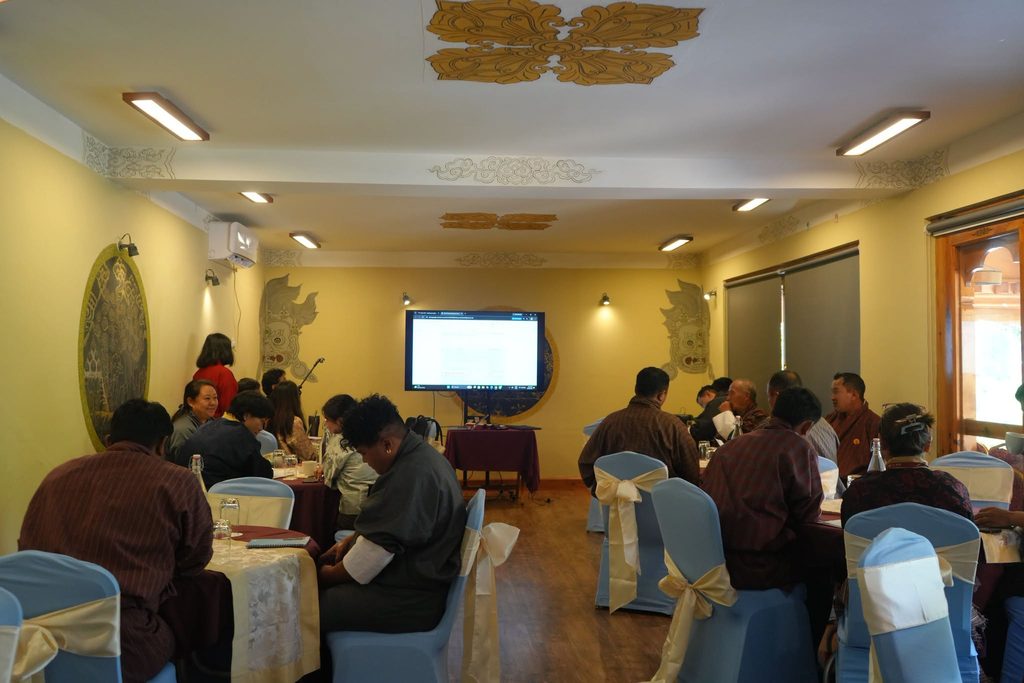
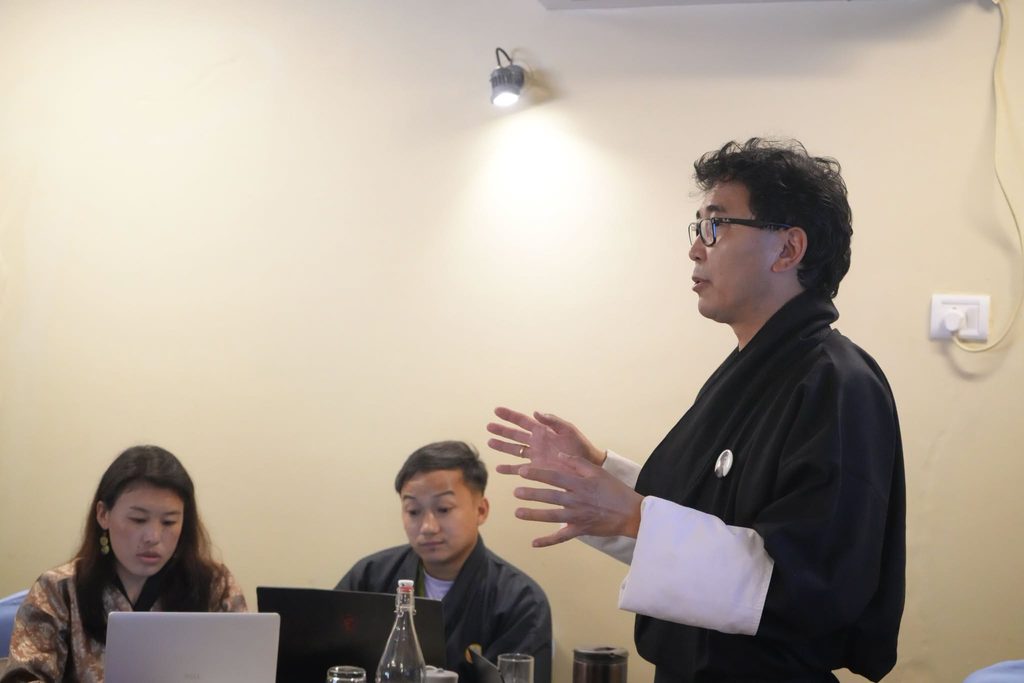
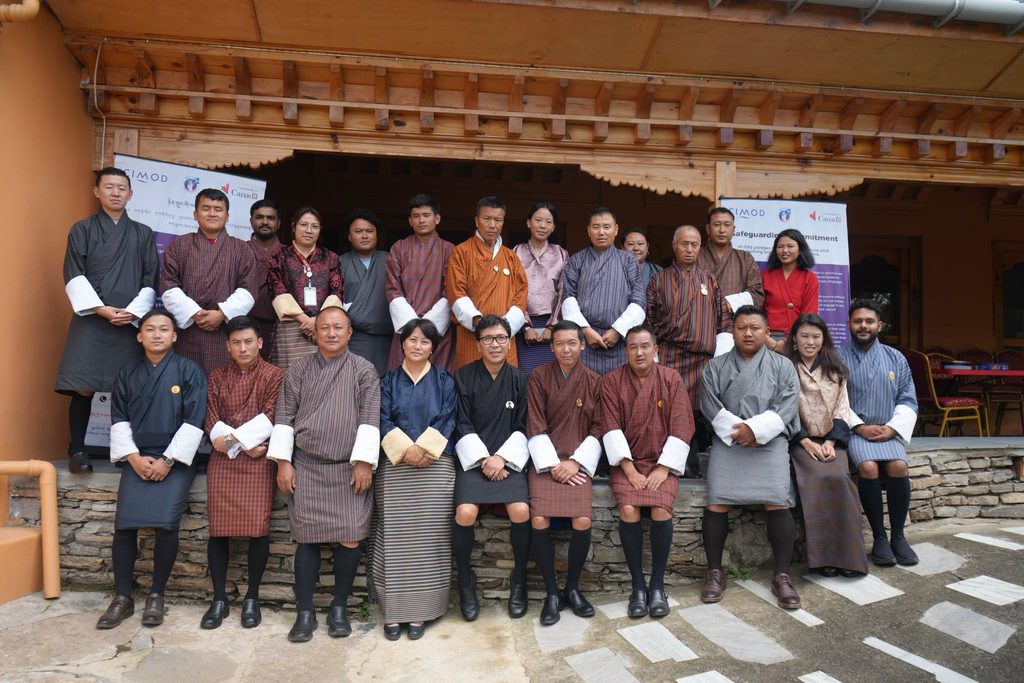
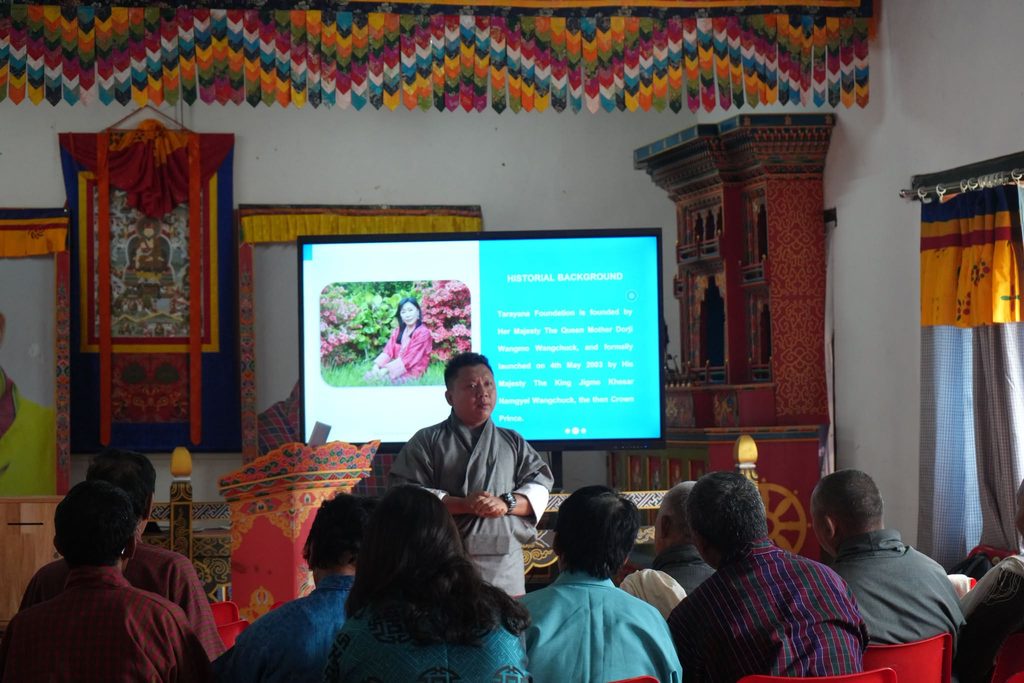
It is within this context that Tarayana Foundation, under the HI-CAS (Integrated Climate Adaptation Solutions for the Hindu Kush Himalaya Region) project, conducted a series of community awareness and capacity-building engagements in Punakha and Paro during July and August 2026.
HI-CAS seeks to strengthen climate resilience among vulnerable communities across the Hindu Kush Himalaya, with particular attention to women, girls, and marginalised communities. In Bhutan, the project is implemented by Tarayana Foundation with technical backstopping from ICIMOD and promotes an Integrated Adaptation Solutions Package (IASP) that brings together renewable energy, agrobiodiversity, and springshed management.
From Individual Challenges to Integrated Solutions
From 28 to 30 July, communities from Bali, Nawakha, and Tempakha under Chhubu Gewog, Punakha, participated in a three-day Gender-Responsive IASP Training.

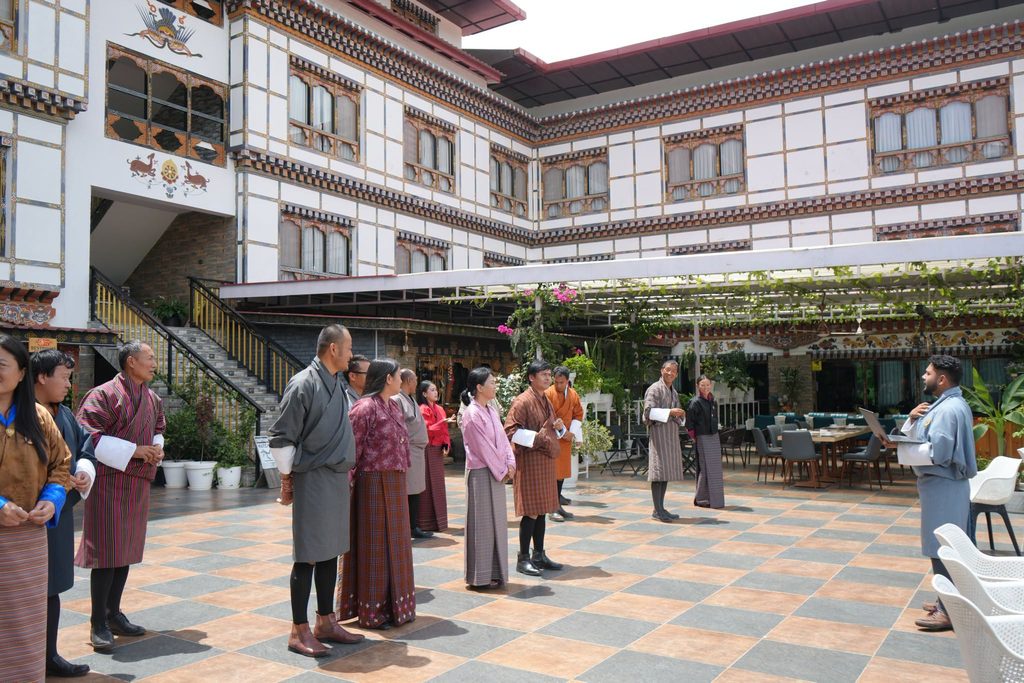
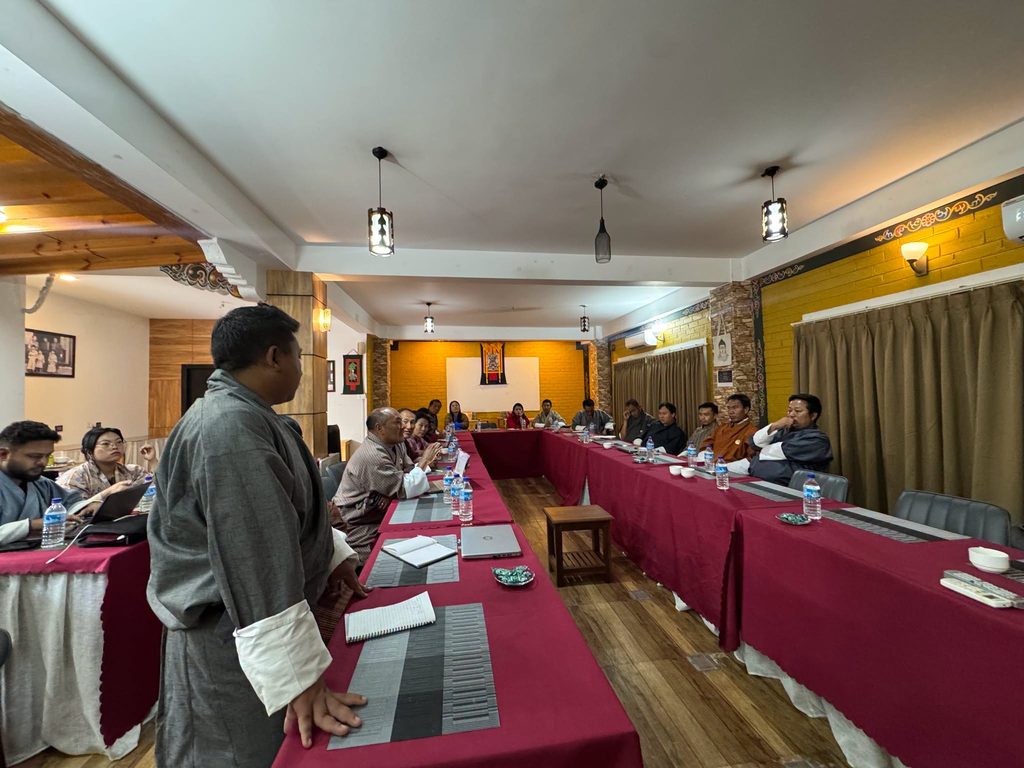
Across the three days, participants explored climate change adaptation, integrated adaptation planning, springshed management, agrobiodiversity, renewable energy, GESI, and safeguarding. Rather than considering these as separate areas, the discussions encouraged participants to understand how they connect.
Water, for instance, is closely linked to agriculture and livelihoods. Renewable energy can support more climate-resilient agricultural practices, while agrobiodiversity can strengthen the resilience of farming systems. Protecting the ecosystems that provide water, meanwhile, requires collective stewardship and long-term community ownership.
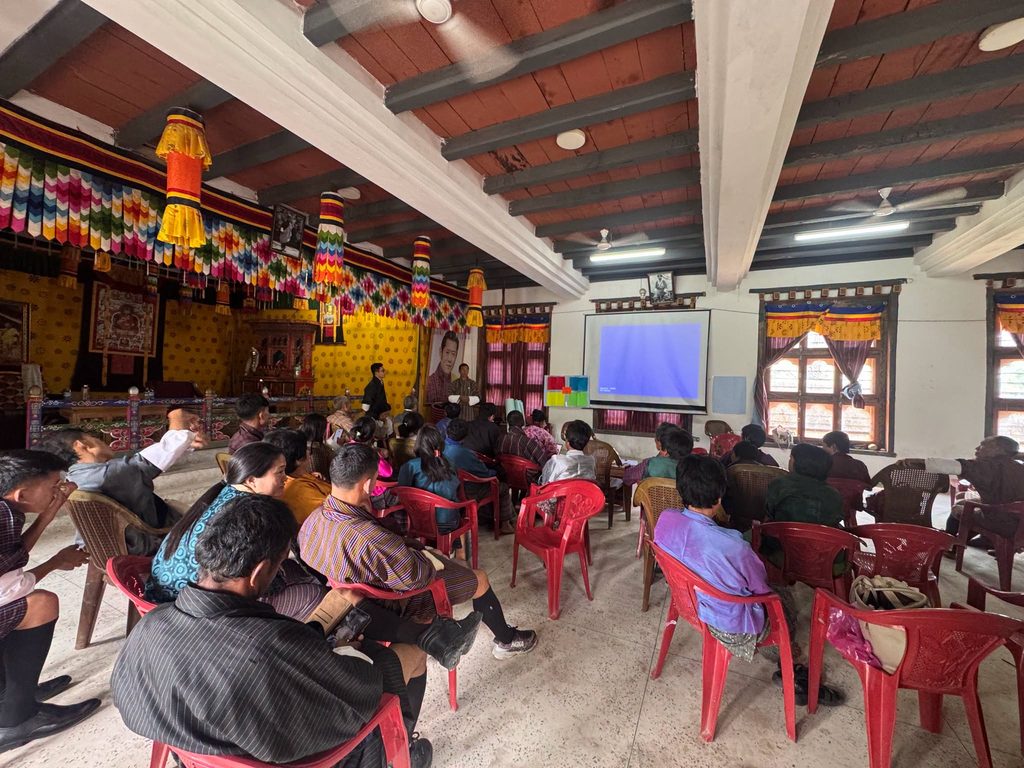
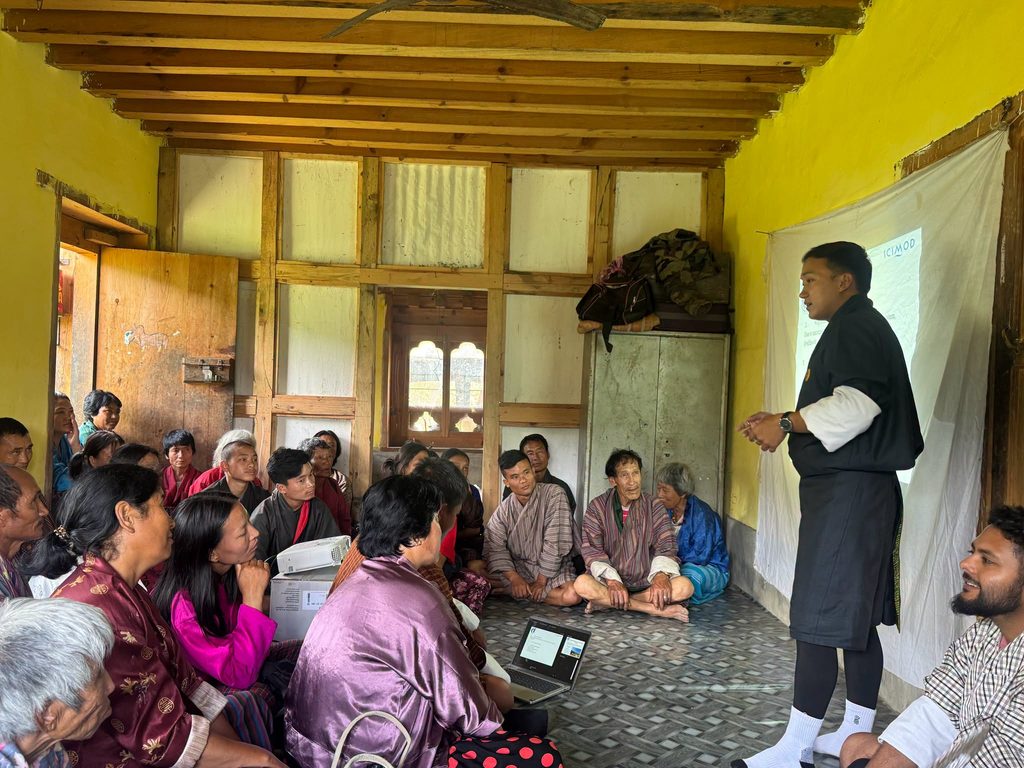
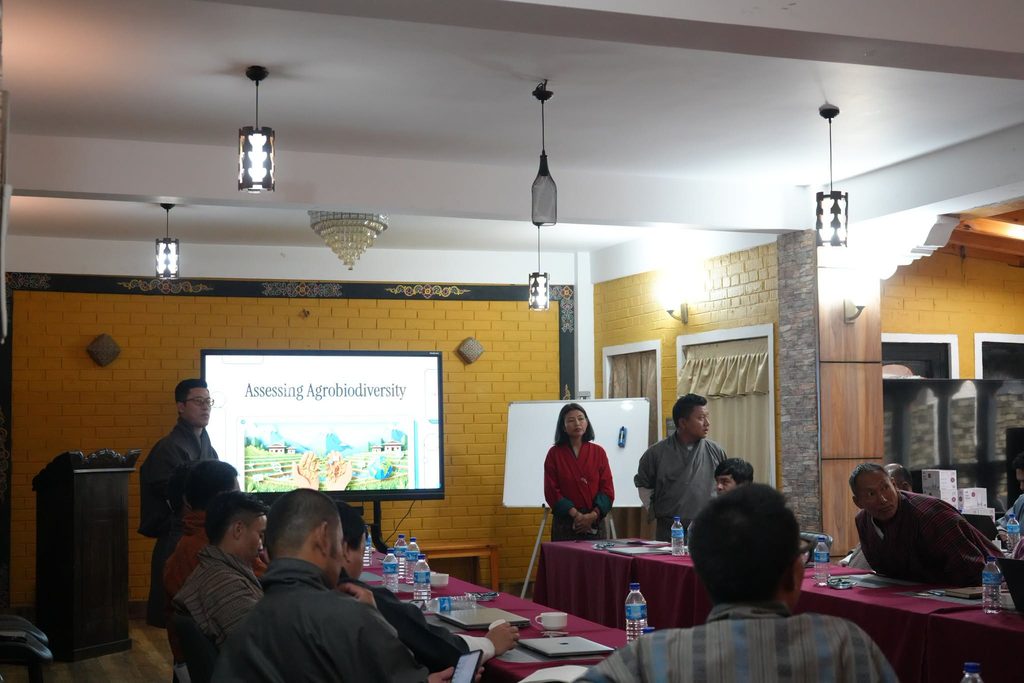
This integrated thinking lies at the heart of IASP, bringing together complementary solutions so that adaptation can respond to the interconnected challenges faced by communities and ecosystems.
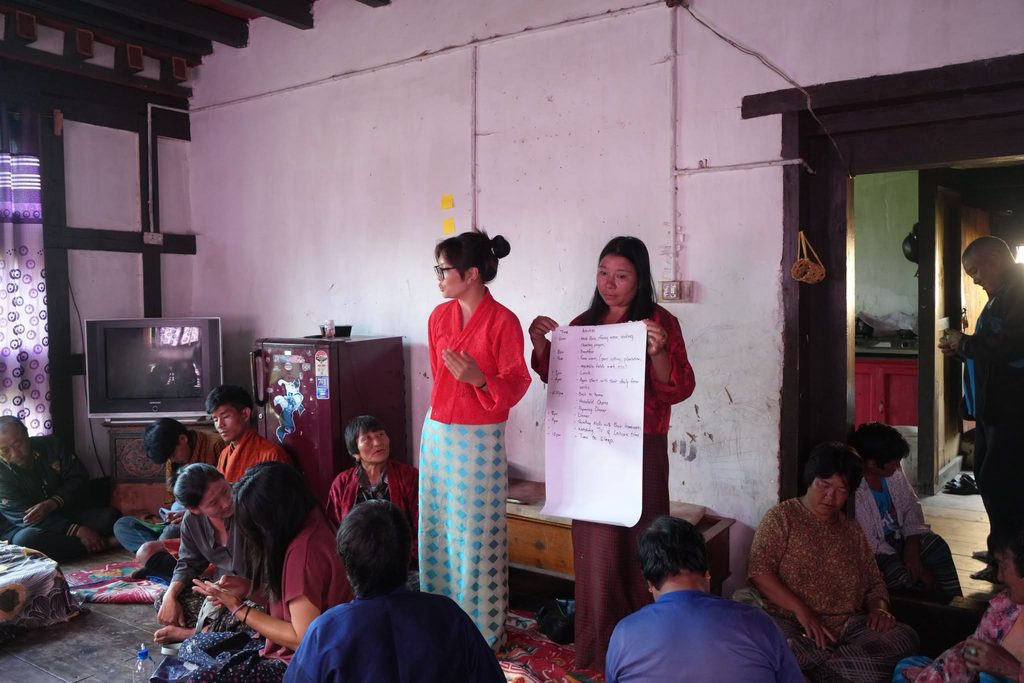
The sessions used interactive presentations, group discussions, group work, experience sharing, field observations, and reflection to encourage participants to connect the learning with their own experiences and priorities.
Water, A Shared Responsibility
Across both Punakha and Paro, water and springshed management emerged as an important part of the conversation.
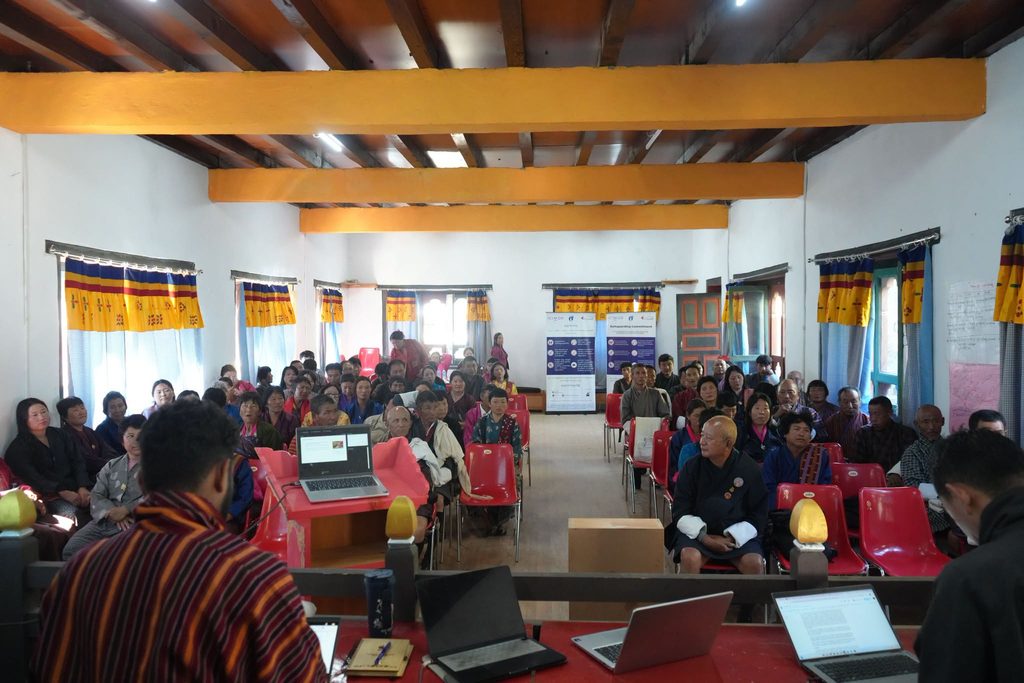
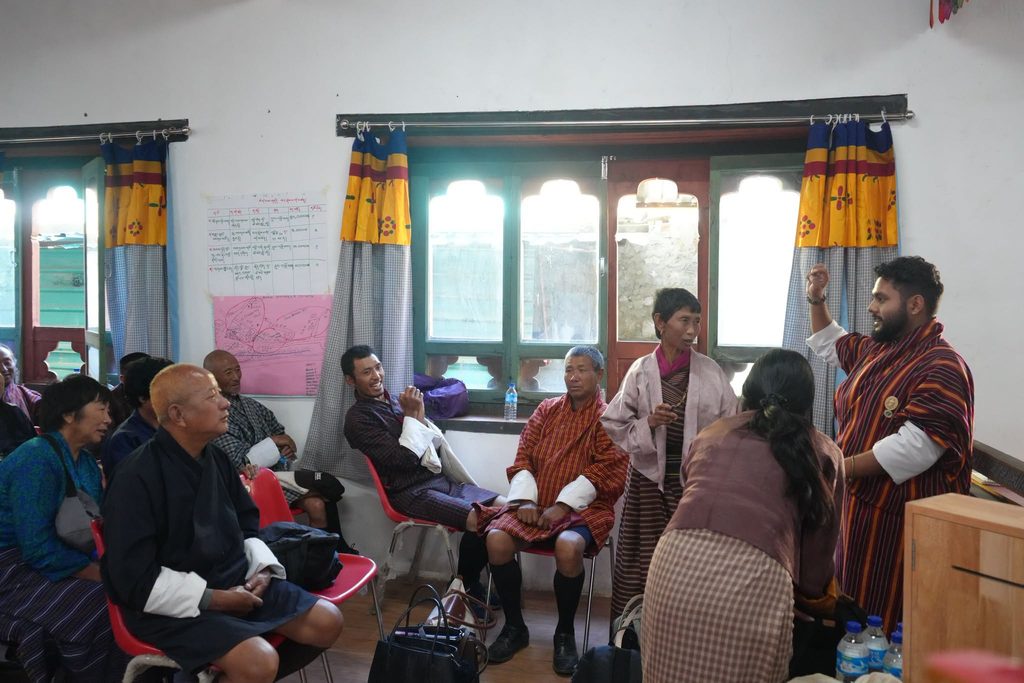
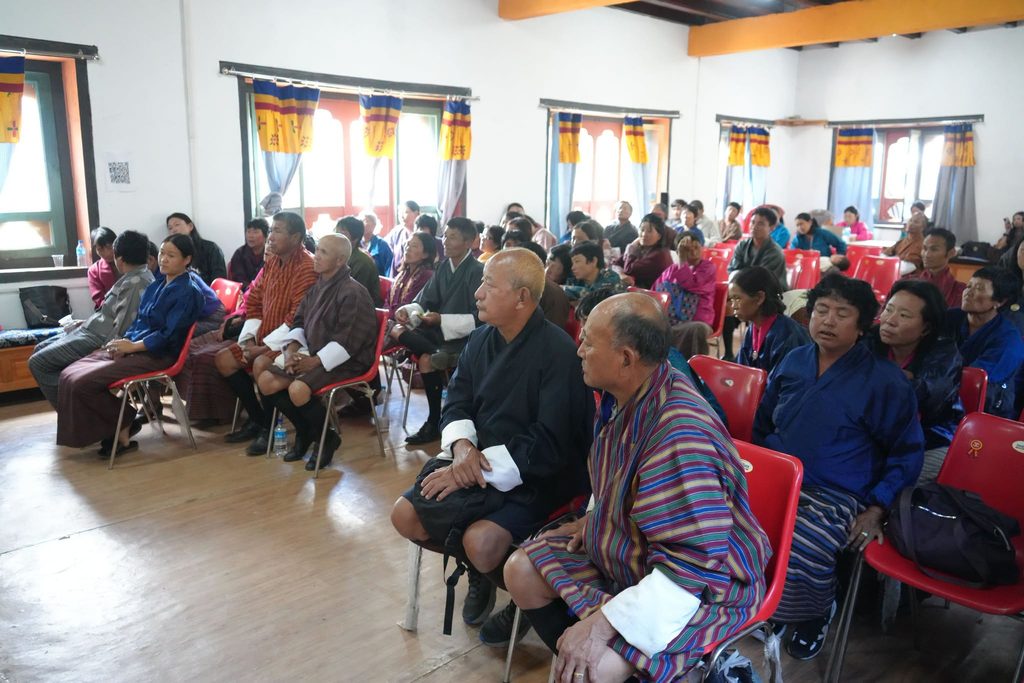
In Punakha, participants attended an awareness session on the Water Act of Bhutan, strengthening their understanding of water governance, conservation, and the shared responsibility of protecting this vital resource. The session also helped connect water governance with the broader IASP approach and the importance of springshed management.
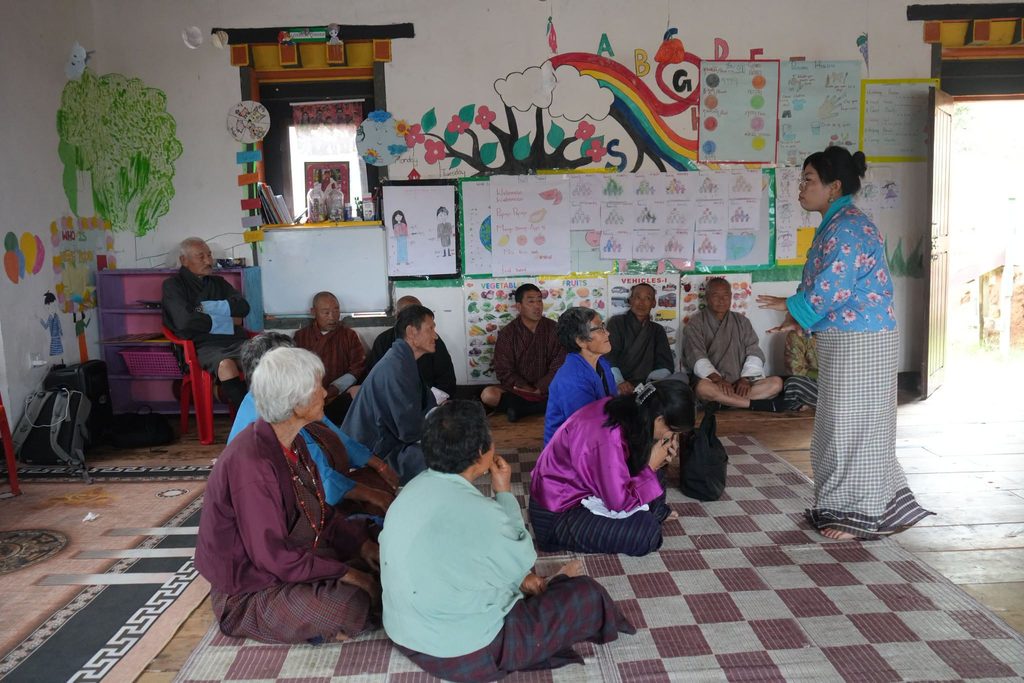
In Paro, from 10 to 13 August, similar awareness and capacity-building sessions brought together local institutions, community members, educational institutions, and other stakeholders. Particular emphasis was placed on springshed management and sustainable water-resource management.
The discussions provided a space for communities to raise concerns, exchange local knowledge, clarify the purpose of technical assessments, and develop a stronger shared understanding of springshed management.
These conversations are especially important because protecting a spring does not end at the source. It requires an understanding of the wider landscape and the people, activities, and ecosystems connected to it.
Inclusion Is About Choosing to Act
While technical solutions are important, the discussions in both locations also highlighted a fundamental question: Who gets to participate in shaping those solutions?
GESI was therefore an integral part of the engagements.
Participants reflected on the different roles of women and men in household activities, agriculture, water management, local seed conservation, and decision-making. They also explored risks to inclusion, including unequal participation, exclusion of marginalised groups, elite capture, and situations where new technologies or resources may become controlled by only a few.
One participant offered a simple yet powerful reflection:
“It is not about whether we are able to or unable to; it is about whether we choose to do or not do.”
The words capture an important principle of inclusive climate action. Inclusion is not simply about recognising differences in people’s circumstances or abilities. It is about choosing to remove barriers, create opportunities, listen to different voices, and ensure that everyone can meaningfully participate in decisions that affect their lives and communities.
The GESI component of the IASP approach seeks to strengthen precisely this kind of participation, supporting equitable benefit-sharing and safeguards against exclusion.
Building Trust Through Dialogue
An important outcome of the engagements was not only increased awareness, but also the opportunity for communities and institutions to talk openly with one another.
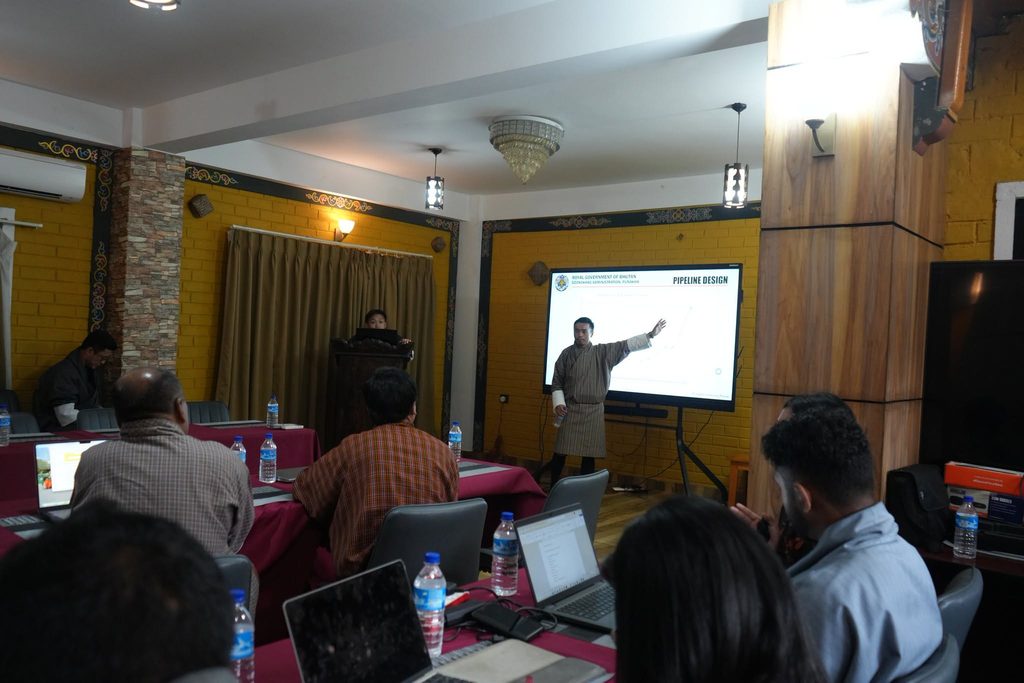
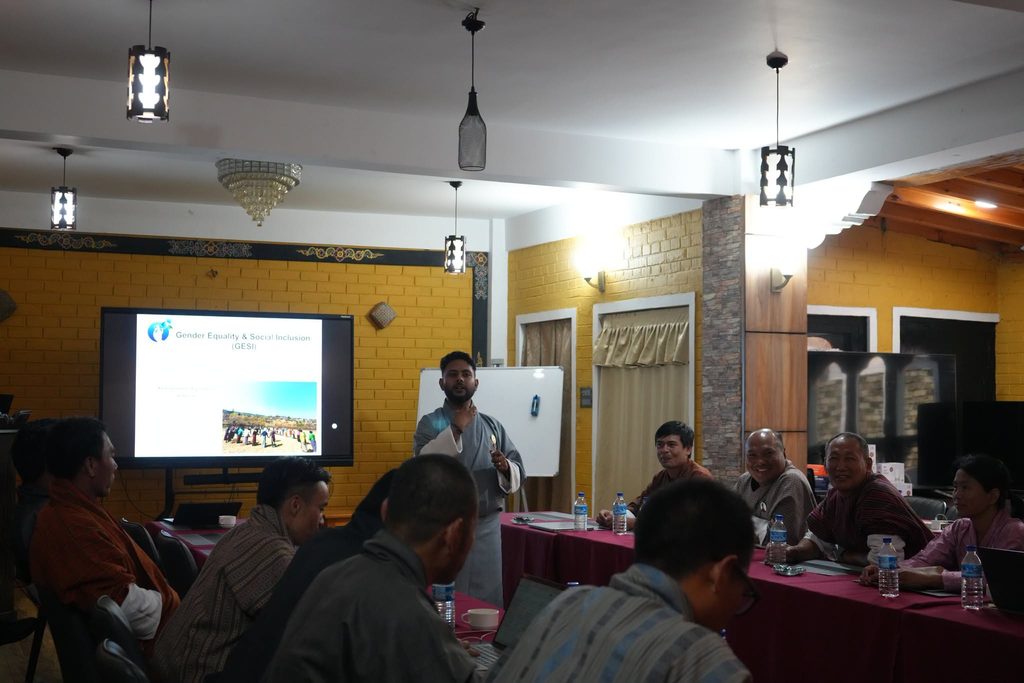
In Paro, participants and local administrations were able to raise concerns and seek clarification around project activities and technical assessments. In Punakha, the engagement with communities was complemented by a session on 31 July with relevant officials from the Punakha Dzongkhag Administration and local government stakeholders, providing an opportunity to share project progress and strengthen understanding of the IASP approach.
Such dialogue is an essential part of community-led adaptation. Technical knowledge can help identify risks and solutions, but local communities bring their own knowledge of springs, land, farming practices, changing weather patterns, and the realities of everyday life.
Bringing these perspectives together helps create adaptation approaches that are not only technically relevant, but also locally understood, collectively owned, and more likely to be sustained.
From Awareness to Action
The engagements in Punakha and Paro form part of a broader effort under HI-CAS to strengthen community and institutional understanding of integrated adaptation. The concept is to progressively build capacity among communities, local institutions, and other stakeholders, while ensuring that GESI and safeguarding considerations are incorporated into the IASP process.
Moving forward, the Foundation will continue engaging with communities within and around the springshed areas, including Pangbisa in Paro while strengthening collaboration with local governments and other stakeholders.
The journey towards climate resilience is not simply about introducing new technologies or practices. It is about understanding the connections between water, land, livelihoods, ecosystems, and people, and finding solutions together.
As communities in Punakha and Paro continue this journey, the message emerging from these engagements is both simple and powerful:
Climate resilience begins when knowledge is shared, every voice is valued, and communities come together to act.