
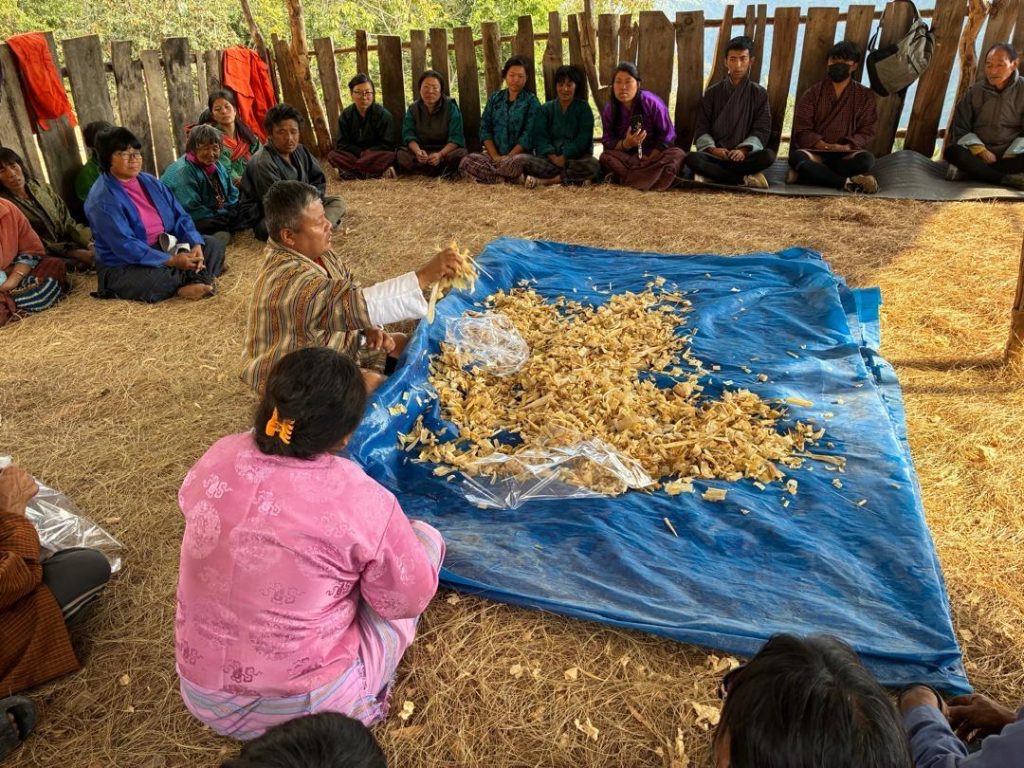
In the quiet villages of Lumang, a small but powerful transformation is taking place, one that begins with something as tiny as a mushroom spore. Through oyster mushroom cultivation, communities are discovering new ways to strengthen livelihoods, improve nutrition, and build resilience using simple and locally available resources.
Across rural Bhutan, oyster mushrooms are emerging as a promising opportunity for farmers. The crop is relatively easy to grow, requires minimal space and labour, and can be cultivated in simple sheds using agricultural by-products. Despite the modest investment required, oyster mushrooms can fetch up to Nu. 250 per kilogram in local markets, making them an attractive option for households seeking to diversify their income sources.
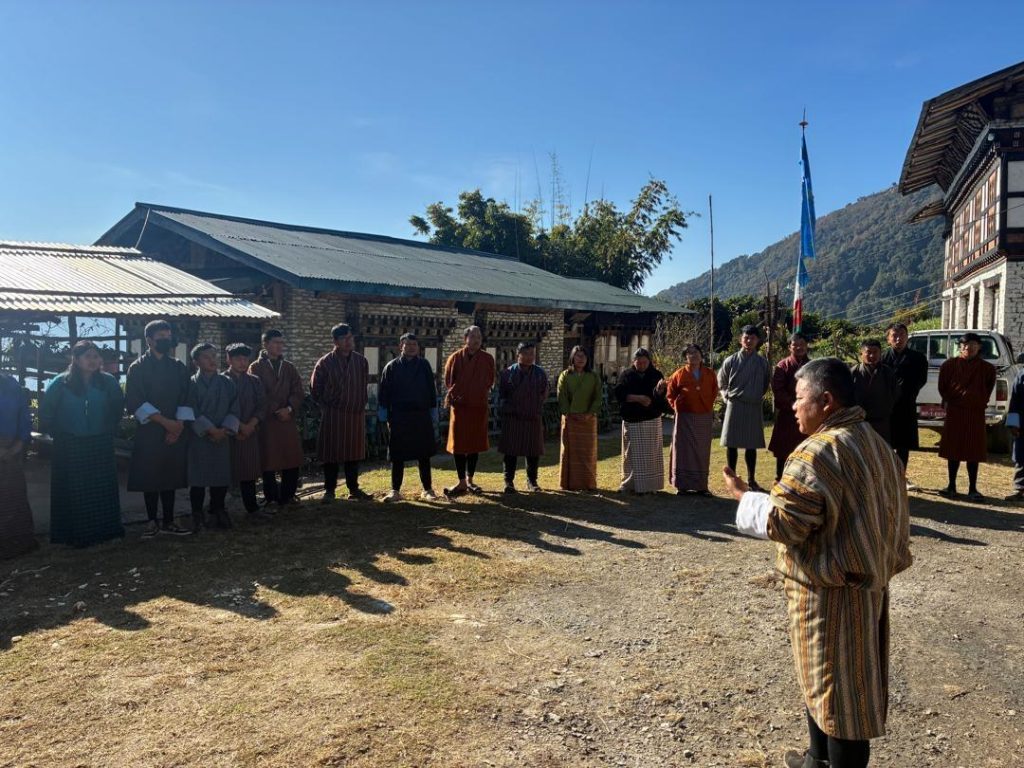
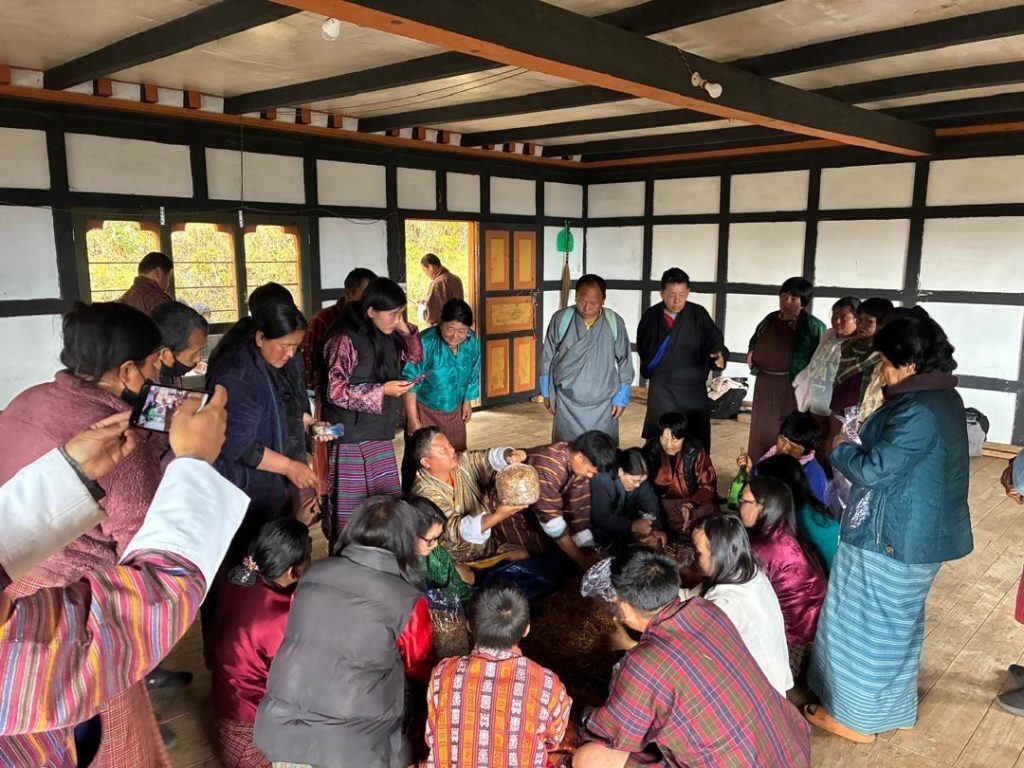
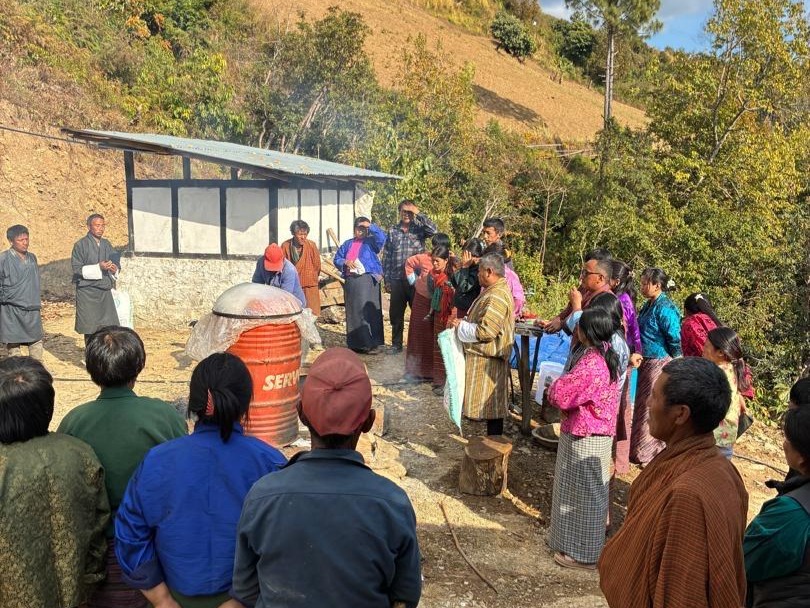
Recognising this potential, the Tarayana Foundation recently facilitated a hands-on training programme for communities across five chiwogs in Lumang Gewog. The training was led by Senior Field Officer Sonam Jamtsho, who guided participants through the practical steps of oyster mushroom cultivation, from preparing the substrate to managing the growing environment and harvesting the crop.
The community’s response was remarkable. More than 100 participants took part in the training, including youth, women, and elderly farmers. For many, it was their first exposure to mushroom cultivation, and the enthusiasm demonstrated by participants reflected a strong interest in adopting this innovative livelihood activity.
Local Innovation Using Local Resources
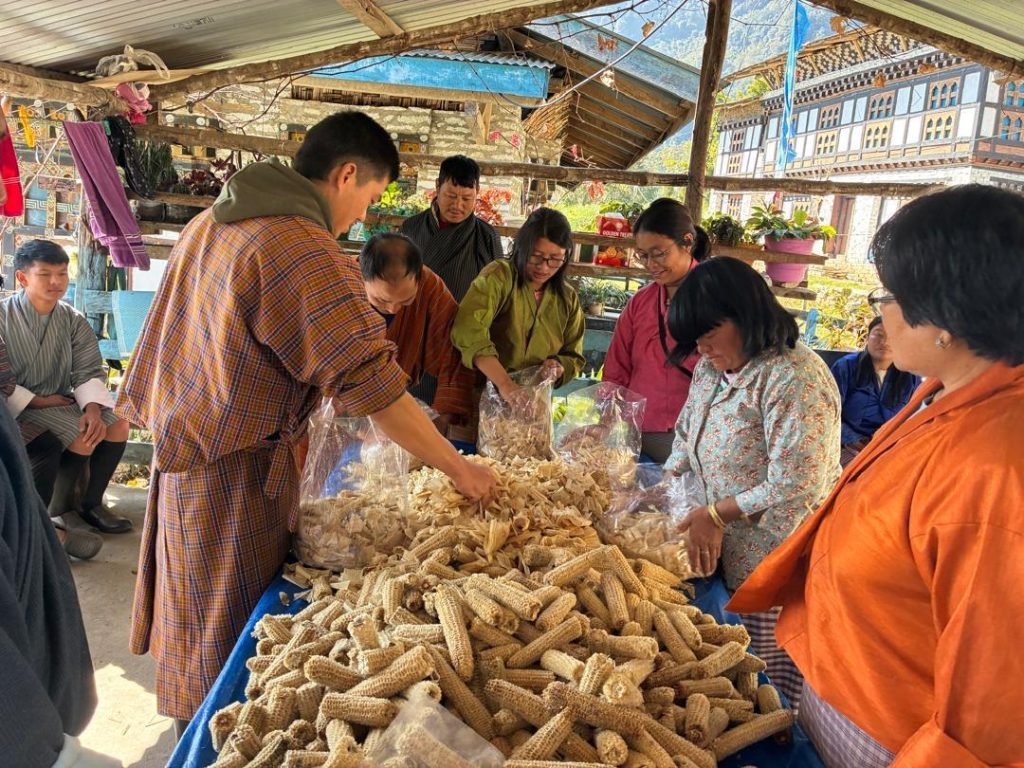
What makes the initiative in Lumang particularly unique is the community’s creative use of maize husks and cobs as the growing substrate. In many regions, rice straw is commonly used for mushroom cultivation. However, in Lumang, maize is widely grown and readily available, making maize husks and cobs a practical and sustainable alternative.
By utilising these agricultural by-products, farmers are turning materials that would otherwise go to waste into valuable resources for food production and income generation. This approach not only reduces input costs but also demonstrates how local challenges can be addressed through locally driven solutions.
Strengthening Food Security and Resilience
Beyond income generation, oyster mushrooms also contribute to improved nutrition and household food security. Rich in protein, vitamins, and minerals, mushrooms provide an affordable and nutritious food source that can easily be incorporated into daily diets.
For communities in Lumang, mushroom cultivation offers a flexible livelihood option that complements existing agricultural activities, such as maize cultivation and vegetable farming. The relatively short growing cycle allows farmers to harvest mushrooms multiple times throughout the year, providing both food and an additional source of income.
Building Climate-Resilient Communities
The initiative forms part of the project “Resilience of Grassroots Communities to Adapt to Climate Change through Agroforestry,” supported by Stiftung Drittes Millennium. The project aims to strengthen rural communities’ capacity to adapt to changing environmental conditions by promoting sustainable livelihood practices that are both climate-resilient and economically viable.
By encouraging low-cost, resource-efficient agricultural practices, such as mushroom cultivation, the project helps communities reduce vulnerability and improve economic opportunities.
Growing a Sustainable Future
The story unfolding in Lumang illustrates how small initiatives can lead to meaningful change. With the right training, community participation, and locally adapted approaches, even the smallest spores can grow into opportunities that transform livelihoods.
As more households begin experimenting with mushroom cultivation, the initiative holds promise for creating new economic opportunities while strengthening grassroots food security and resilience.
In Lumang, the message is clear: local resources, local innovation, and strong community spirit can nurture lasting change, one mushroom at a time.