
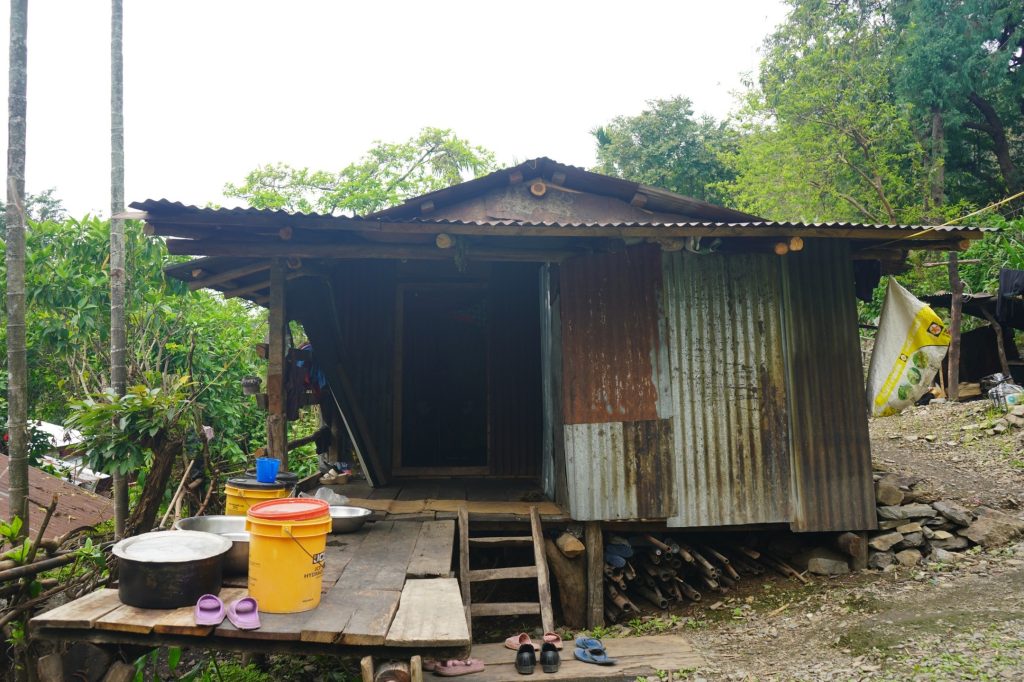
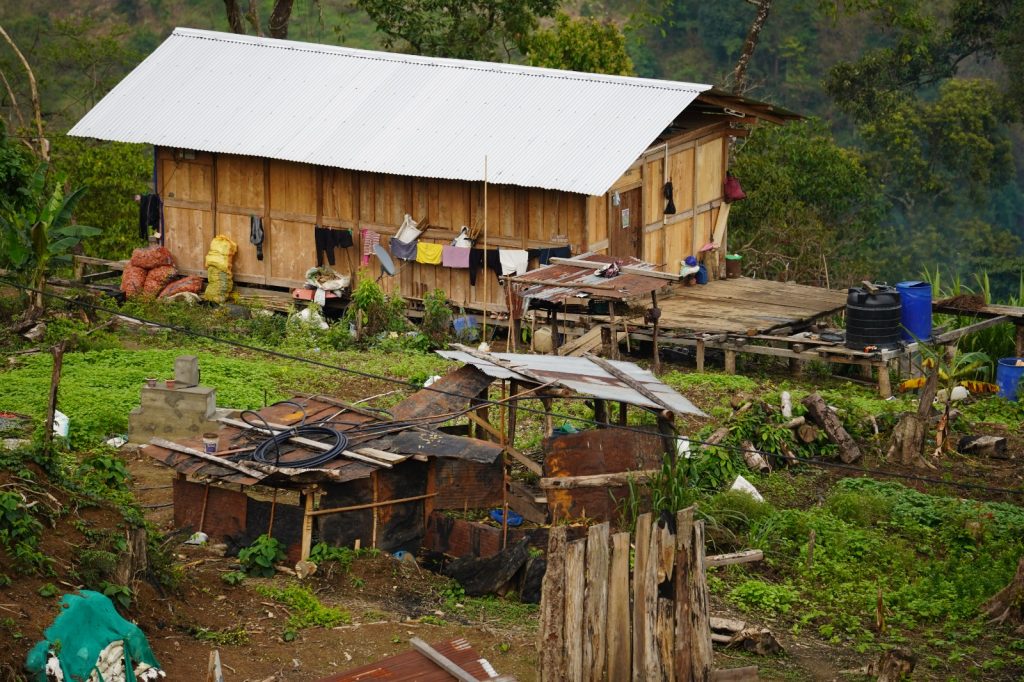
Throughout April, the Foundation’s Program Team was actively engaged in the field across Samdrupjongkhar, and Trashigang working closely with communities, local leaders, and Gewog Committee members to advance two important initiatives focused on strengthening rural resilience and improving community wellbeing.Under the Disaster-Resilient Housing for Vulnerable Rural Communities in Bhutan – Phase II Project, supported by the Karuna Foundation, the team carried out a series of intensive field activities in Dewathang Gewog under Samdrupjongkhar aimed at understanding the needs of vulnerable households and laying the foundation for safer and more resilient housing interventions.
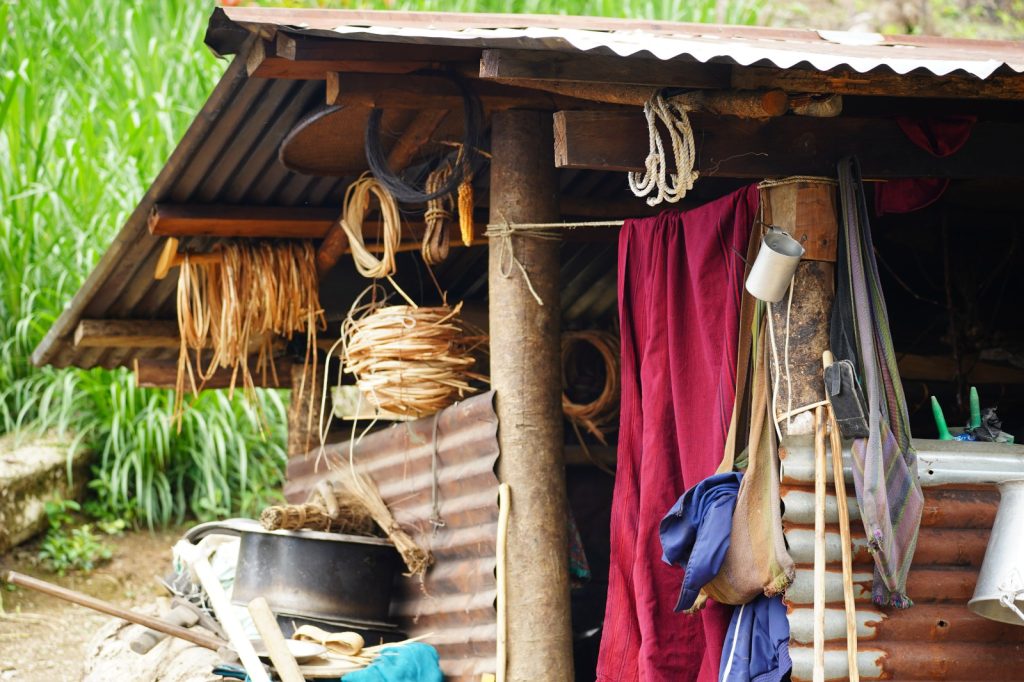
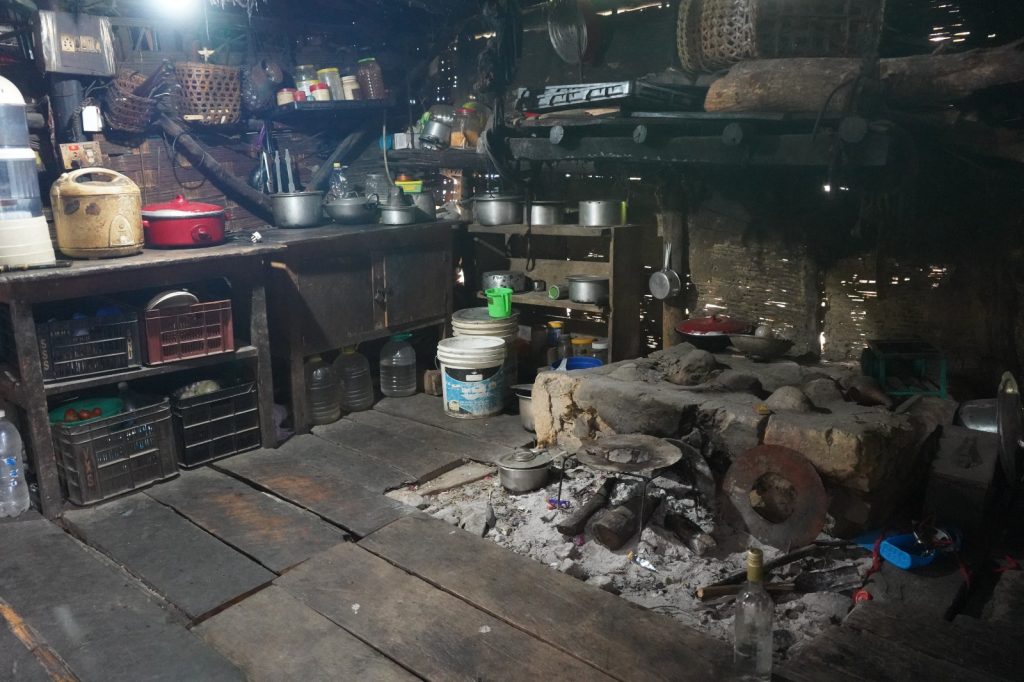
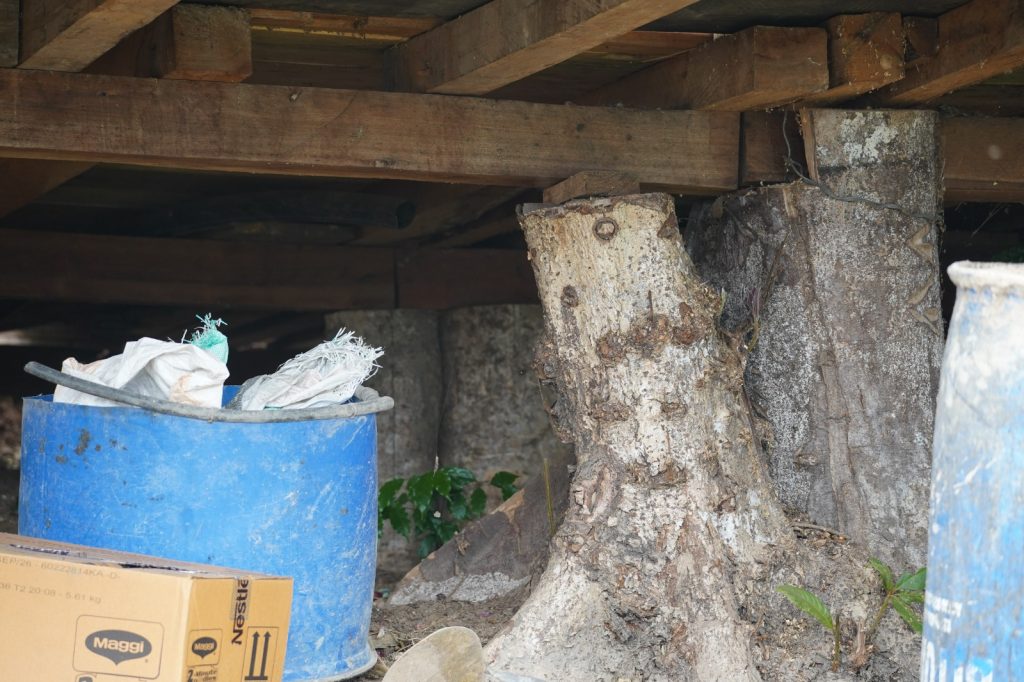
From April 10th to 12th, the Program Team from the Head Office, together with Gewog Committee members, conducted community consultations, household surveys, and documentation in Gakiling and Rhekhey villages. Through door-to-door interactions and discussions with families, the team gained deeper insight into the living conditions, vulnerabilities, and priorities of the communities. These consultations not only strengthened community participation but also ensured that future interventions are rooted in local realities and responsive to the needs of the people.
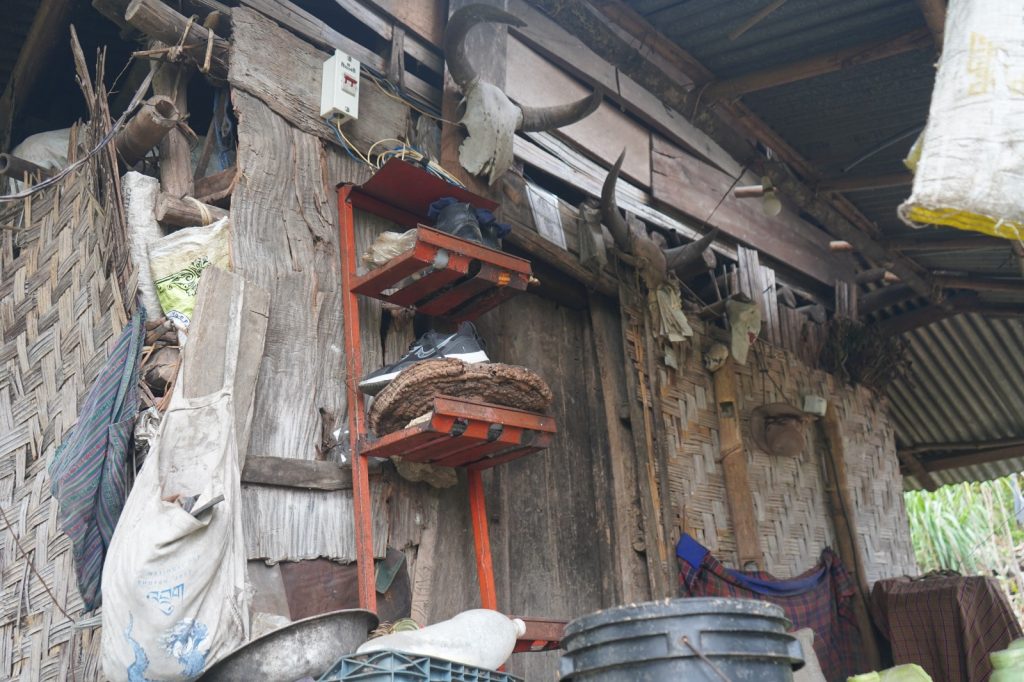
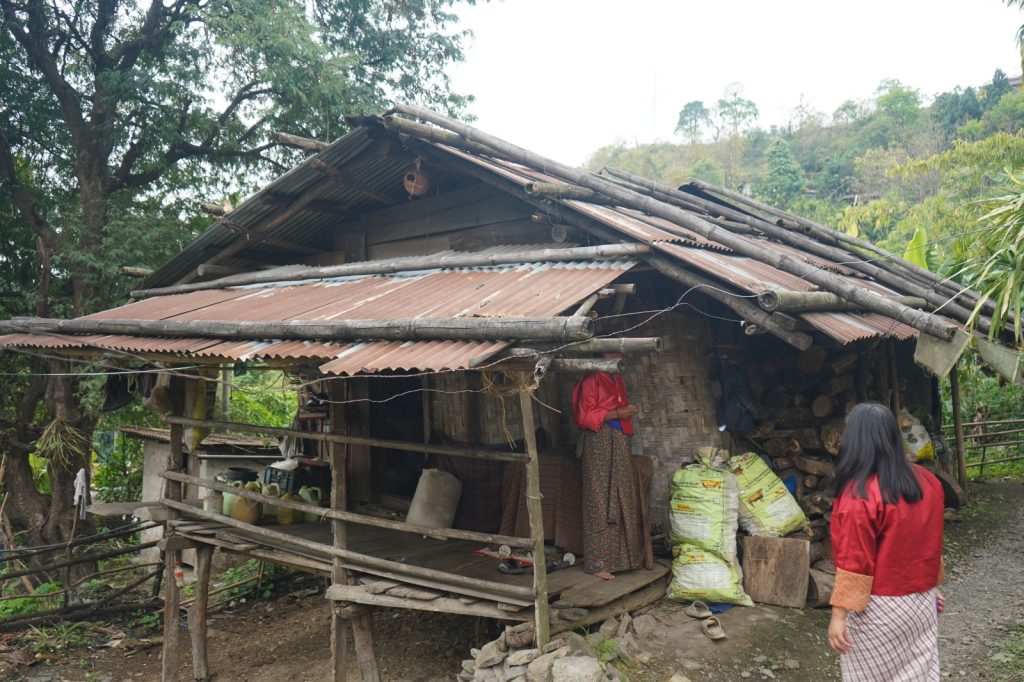
The momentum continued, from April 14th to –15th, the team extended household surveys to Moshi, Khasingri, and Dungmanba chiwogs under Lumang gewog in Trashigang. The surveys were carried out with a strong focus on inclusiveness and community engagement, helping identify households requiring support and enabling the project to design interventions that are both practical and impactful. These efforts reflect Tarayana Foundation’s continued commitment to promoting safer homes, healthier families, and stronger rural communities across Bhutan.
Amidst these field activities, on April 13th, the Team also visited Tshogonpa in Lumang under the Holistic Community Development Project, funded by the Government of India. The visit focused on monitoring and documentation of ongoing initiatives aimed at improving rural livelihoods and enhancing community wellbeing through integrated development approaches.
The field visit provided an important opportunity to assess project progress, engage directly with community members, and better understand the evolving needs and aspirations of the people. Interactions with the community highlighted the positive changes taking place on the ground and reinforced the importance of collaborative efforts in achieving sustainable and inclusive rural development.
Through these continued engagements, Tarayana Foundation remains dedicated to walking alongside communities, strengthening resilience, and creating opportunities for lasting positive change across rural Bhutan.