
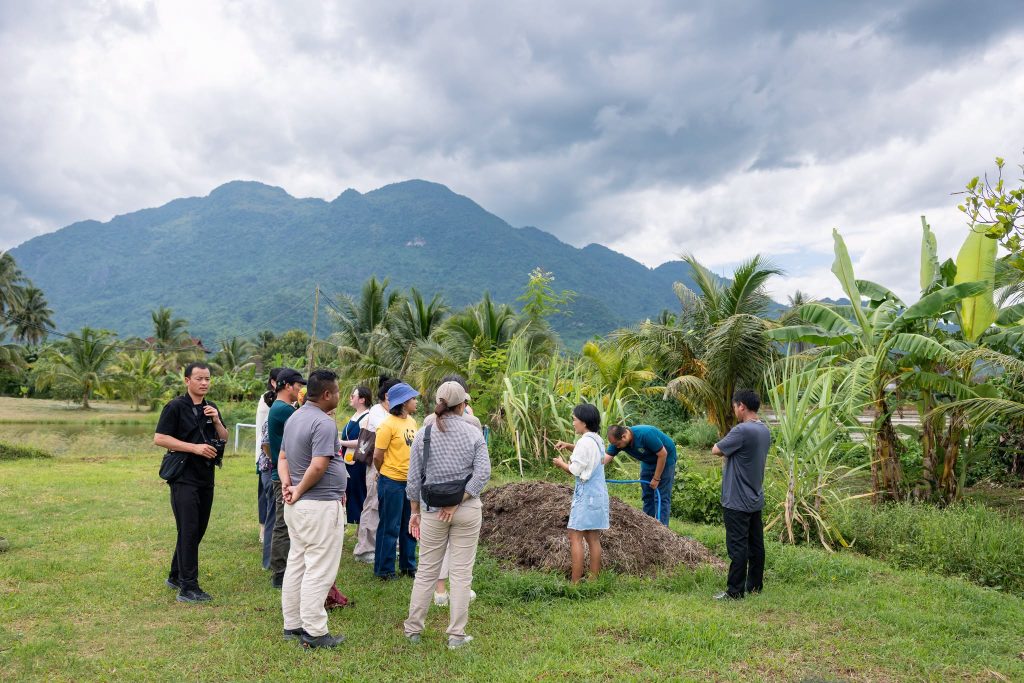
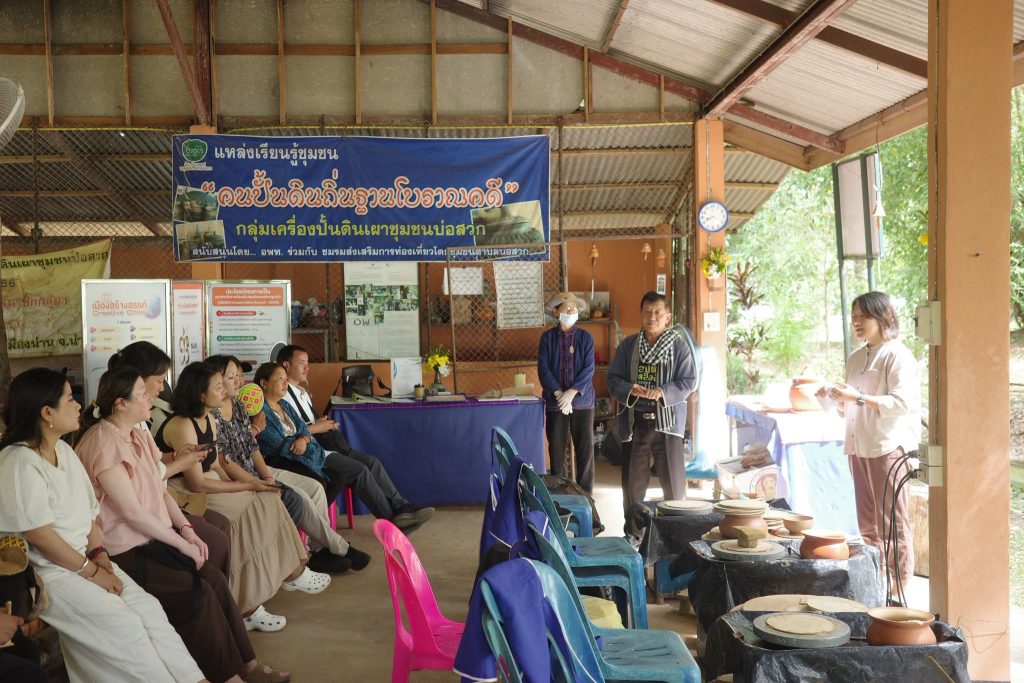
From 20–26 June 2026, a delegation from Tarayana Foundation, Bhutan TSHAR Institute, and project partners participated in the Bamboo Connect Ecotourism (Community-Based Tourism) Study Tour and Exposure Visit to Chiang Mai, Chiang Rai, and Nan Province, Thailand. The week-long programme provided participants with valuable opportunities to learn from internationally recognized community-based tourism initiatives, sustainable bamboo enterprises, indigenous communities, and innovative circular economy models.
The study tour introduced participants to a diverse range of community-led development initiatives where local culture, environmental stewardship, entrepreneurship, and traditional knowledge have been successfully integrated to create resilient and sustainable livelihoods.

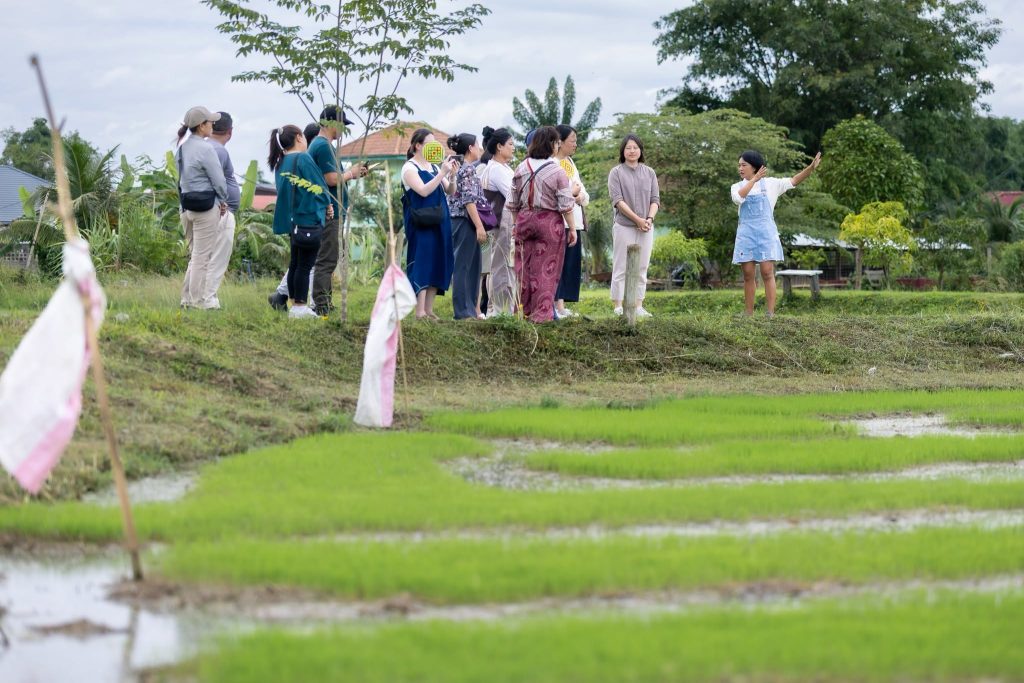
Throughout the visit, participants explored innovative bamboo architecture and craftsmanship through the Bamboo Family Network and Sang Ga Dee SPACE in Chiang Mai, where they learned how mentorship, knowledge sharing, and creative collaboration have transformed bamboo into a catalyst for sustainable construction, local enterprise, and community development.
The delegation also visited several award-winning community-based tourism destinations, including Long Him Khao Community, Pha Mee Akha Community, Mae Sat–Muang Ruang Model Village, and Bo Suak Model Community. These visits demonstrated how communities have harnessed their cultural heritage, indigenous knowledge, traditional crafts, and natural resources to generate sustainable livelihoods while preserving their unique identities. Participants gained practical insights into community governance, intergenerational leadership, homestay management, cultural tourism, and participatory approaches that place local people at the centre of development.
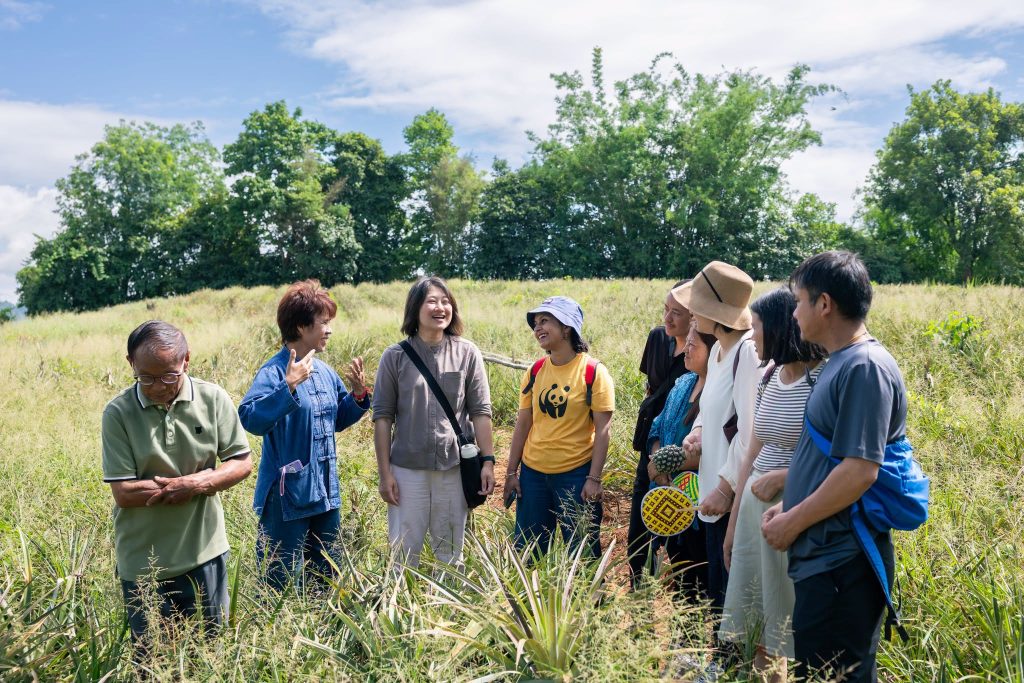

A major focus of the programme was sustainable agriculture and value addition. Participants visited successful community enterprises specializing in Geographical Indication (GI) products such as Nang Lae pineapples, indigenous rice, Arabica coffee, and artisanal chocolate. They observed how local producers have diversified their products, embraced innovation, and connected agriculture with tourism to create higher-value markets and strengthen rural economies.
The study tour also highlighted the importance of environmental sustainability and circular economy practices. Visits to community-led waste management initiatives, sustainable restaurants, and recycling enterprises showcased practical approaches to waste segregation, resource recovery, composting, and transforming discarded materials into marketable products. Participants also explored the role of digital technologies in agriculture, including satellite-based soil monitoring systems that support more sustainable farming practices.
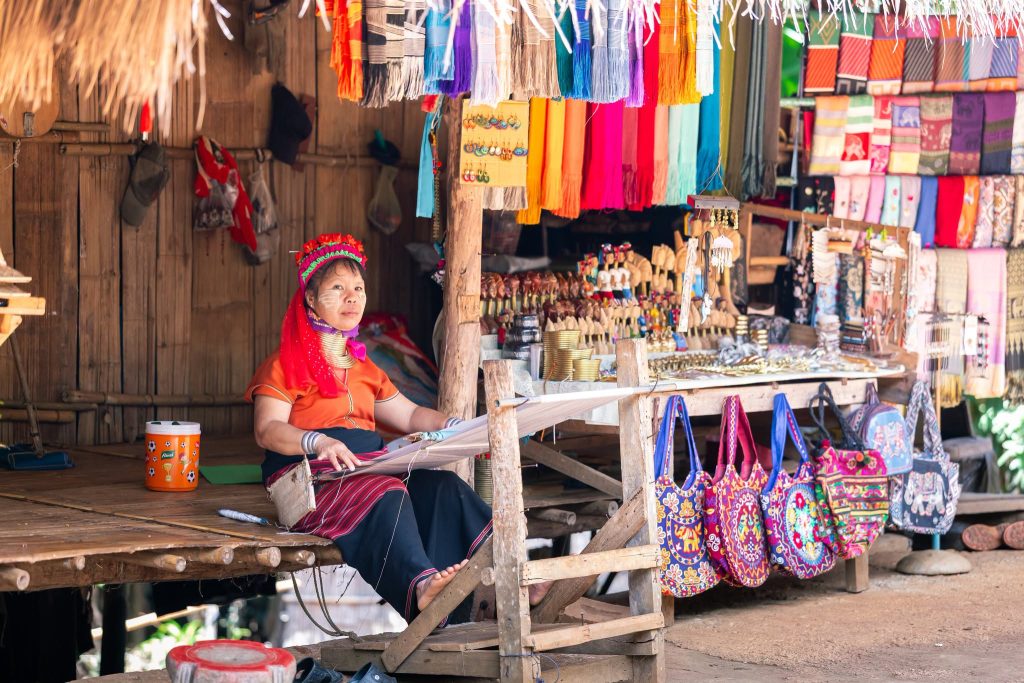
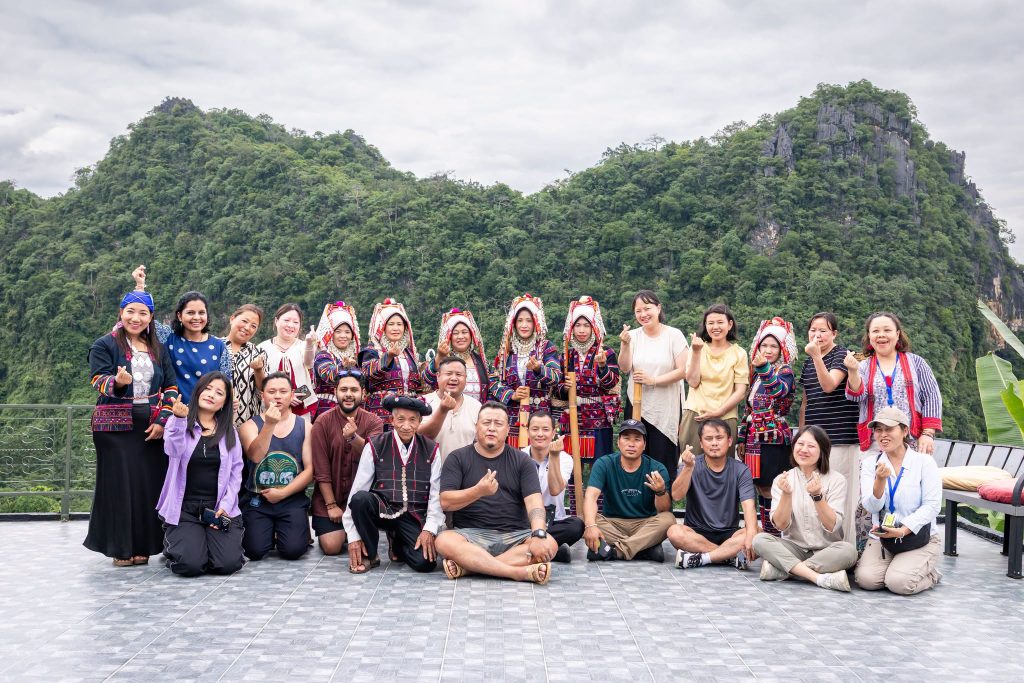
Hands-on workshops in pottery, natural dyeing, bamboo crafts, umbrella making, herbal wellness, coffee processing, and traditional food preparation provided participants with firsthand experience of how local knowledge can be transformed into innovative tourism experiences and viable community enterprises. Equally meaningful were the many opportunities for cultural exchange, where Bhutanese participants shared their own traditions while learning from the communities they visited.

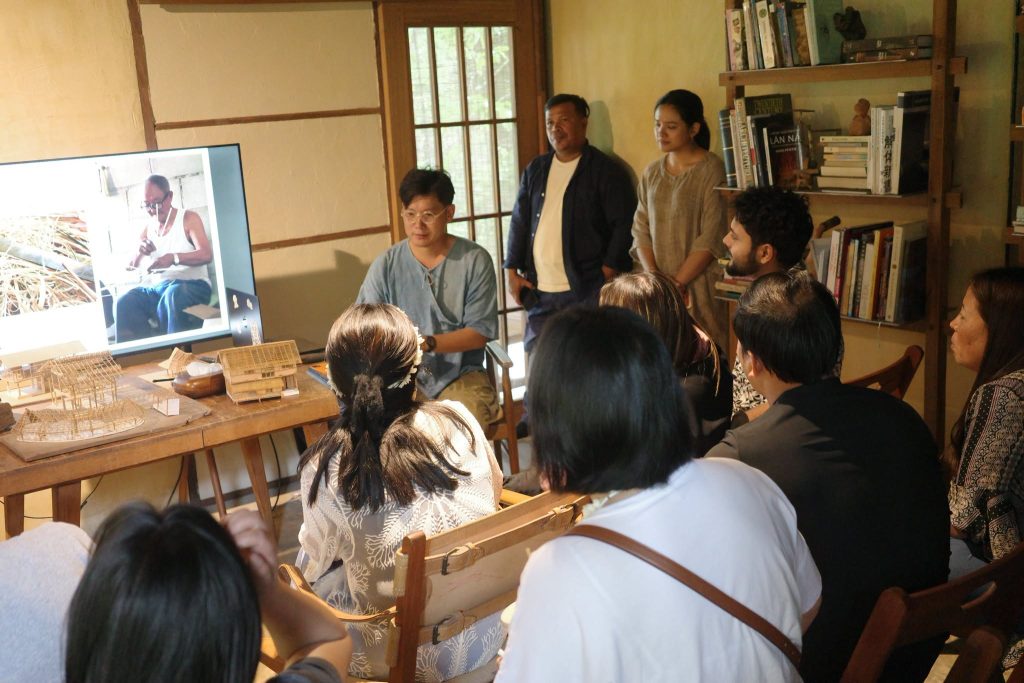
The study tour reinforced the importance of building sustainable development on the foundations of community ownership, cultural preservation, environmental responsibility, and inclusive economic opportunities. It demonstrated that when local people are empowered to lead, communities can successfully balance heritage conservation with innovation while creating resilient livelihoods for future generations.
The knowledge, experiences, and partnerships developed during the study tour will contribute to strengthening community-based tourism initiatives, sustainable bamboo enterprises, and rural livelihood programmes in Bhutan. The visit also provided valuable inspiration for adapting successful community-driven models to local contexts, further advancing Bhutan’s vision of inclusive and sustainable rural development.