
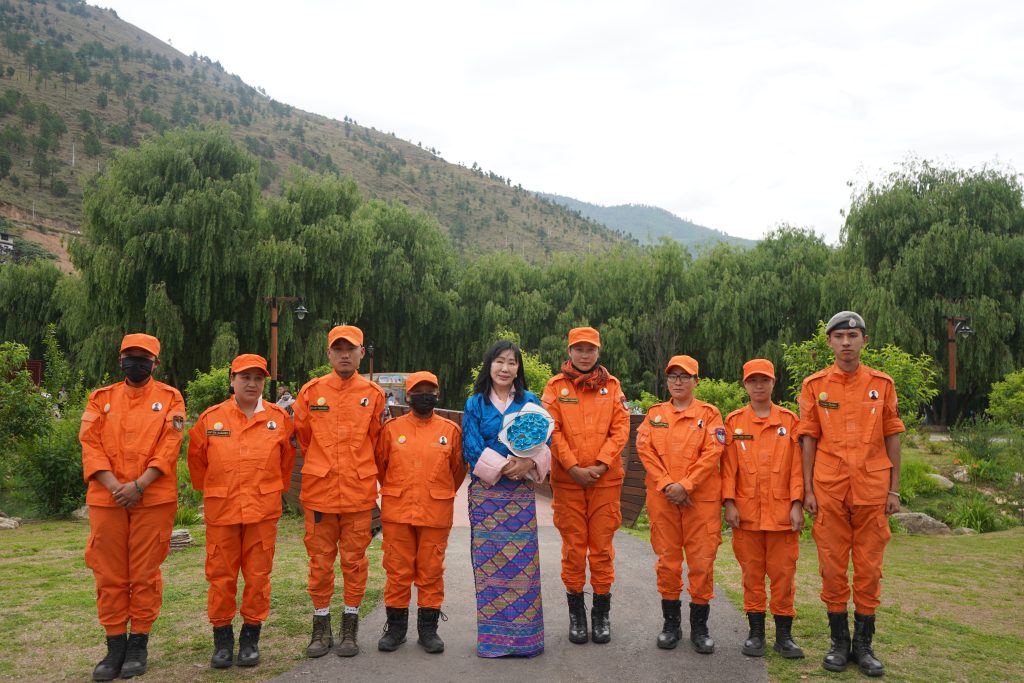
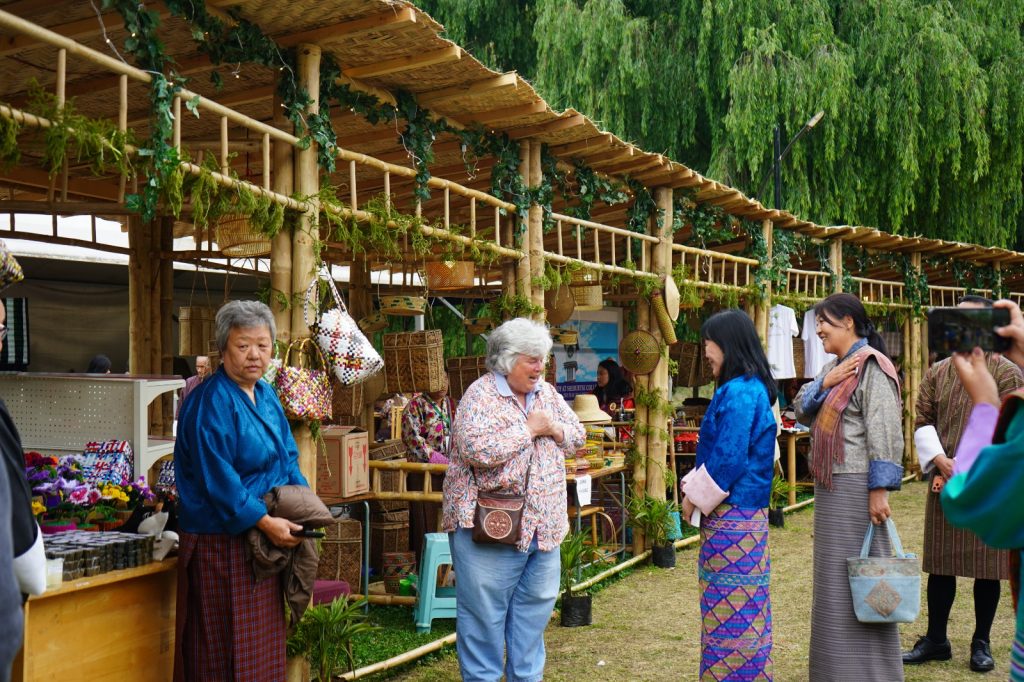
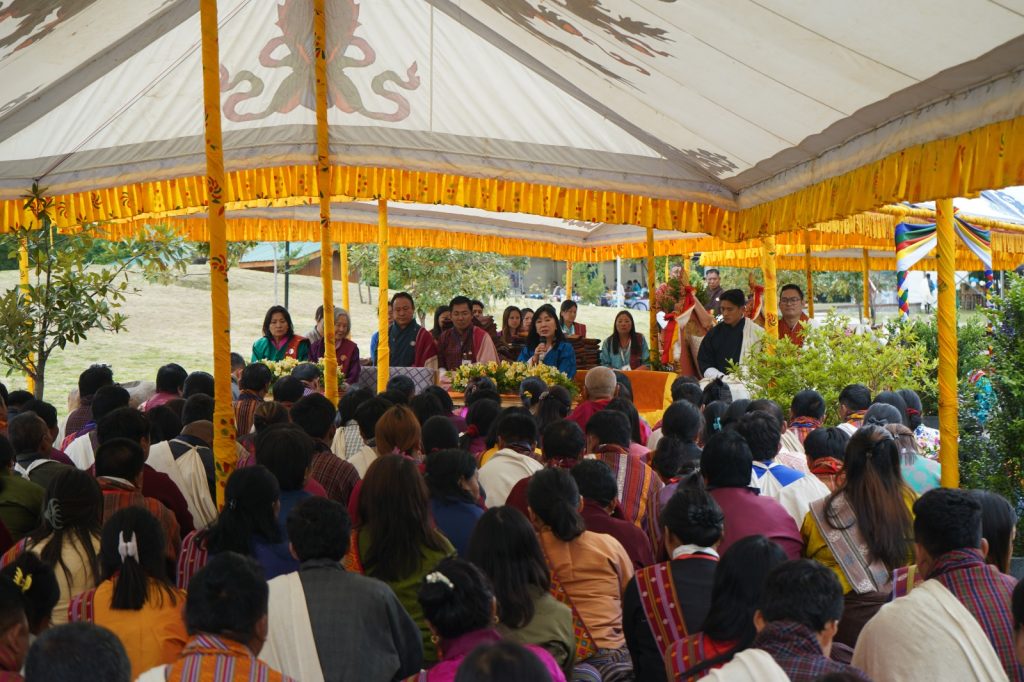
Yesterday, on the second day of the 20th Tarayana Fair, Her Majesty spent time interacting with community representatives from across Bhutan.
Her Majesty expressed immense happiness in seeing communities confidently showcasing and selling their products, celebrating milestones such as the inauguration of Brand Naro, and witnessing the positive changes taking place in rural Bhutan through collective effort and perseverance.
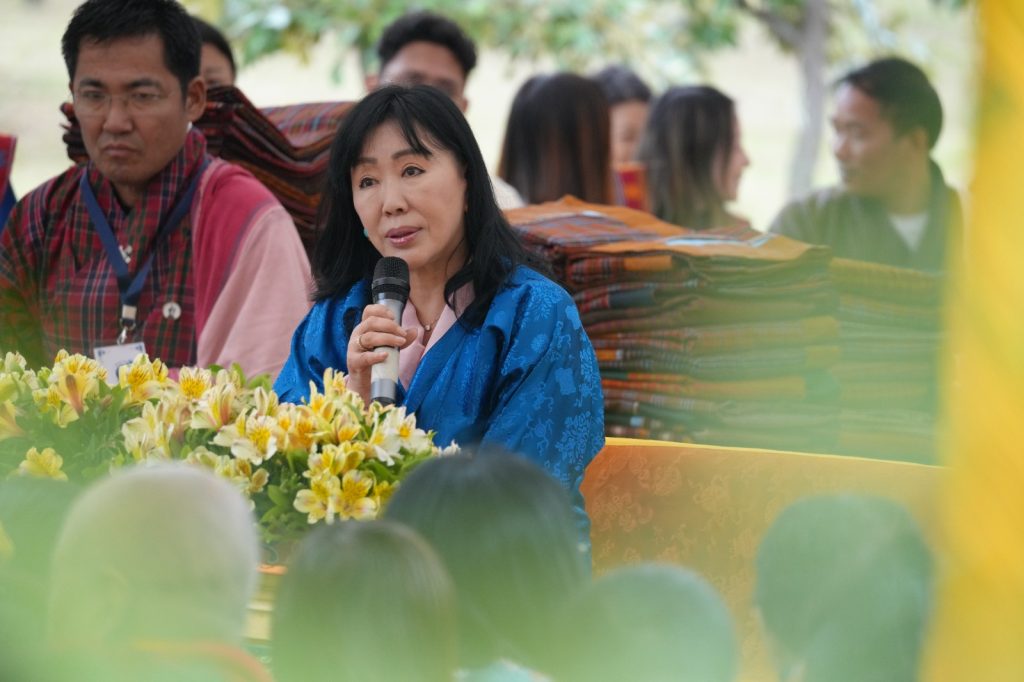
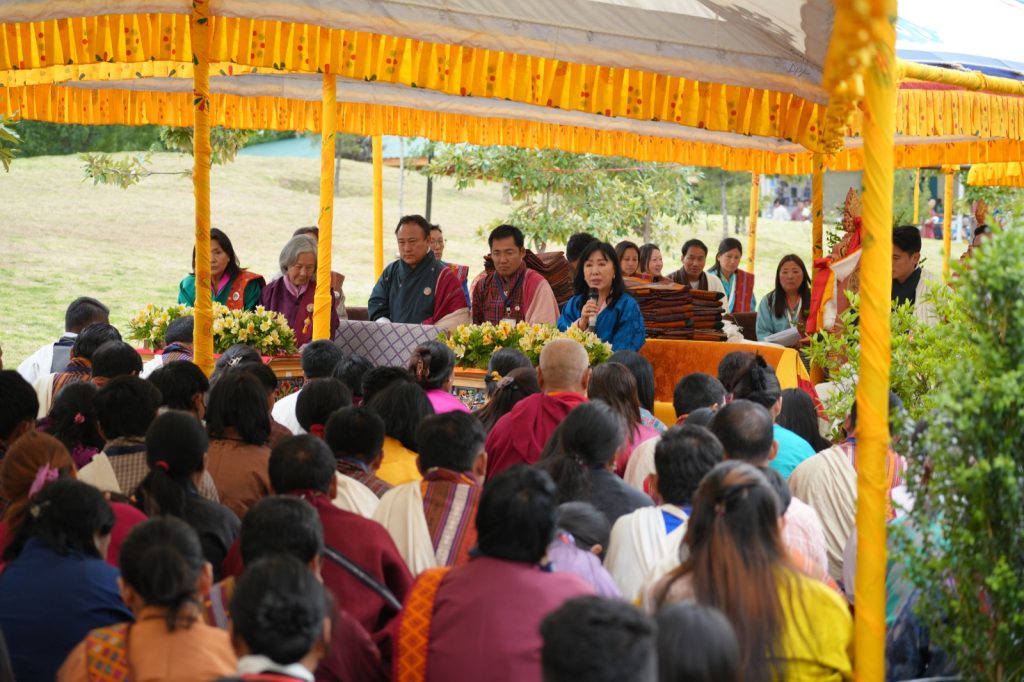
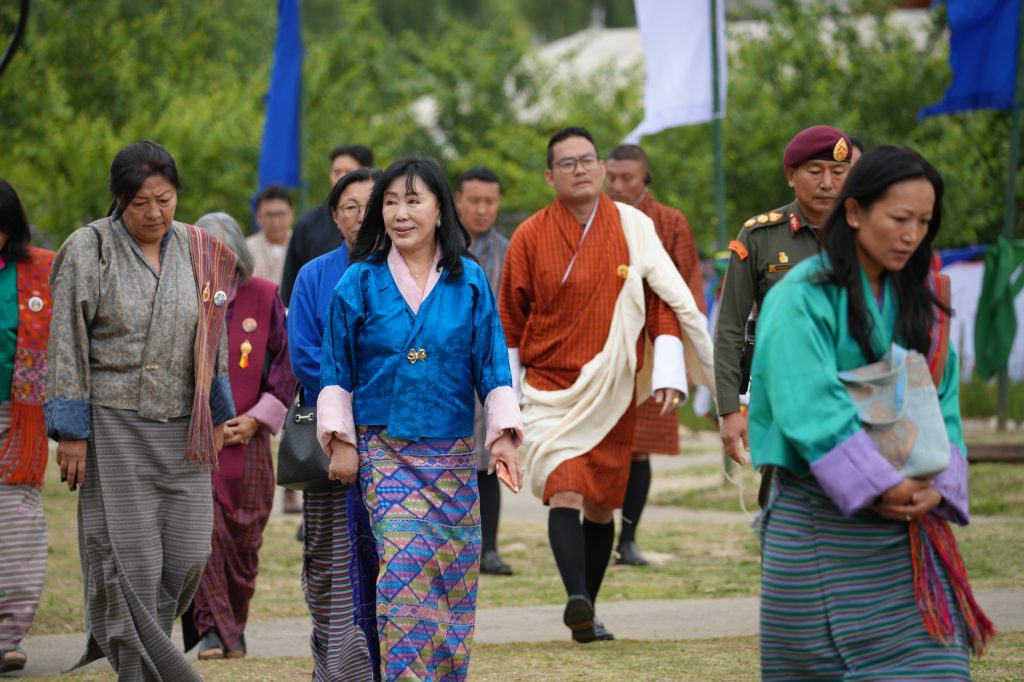
Community members, in turn, shared their heartfelt gratitude for the support they have received through Tarayana Foundation over the years, from access to clean water and improved housing to livelihood opportunities, ecotourism initiatives, and community development programmes that have transformed lives.
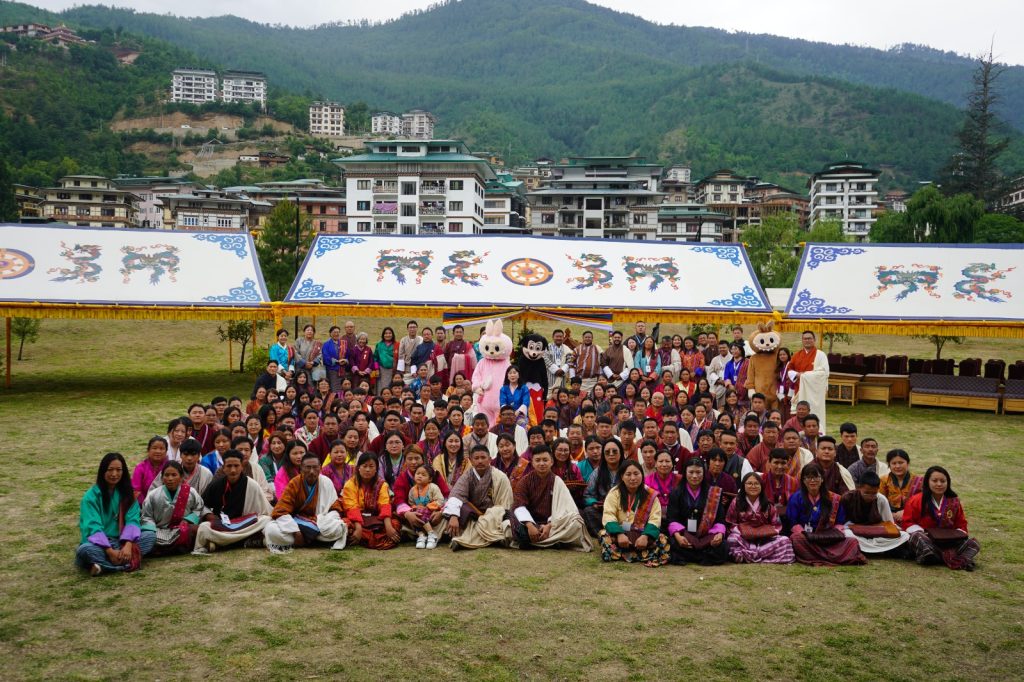
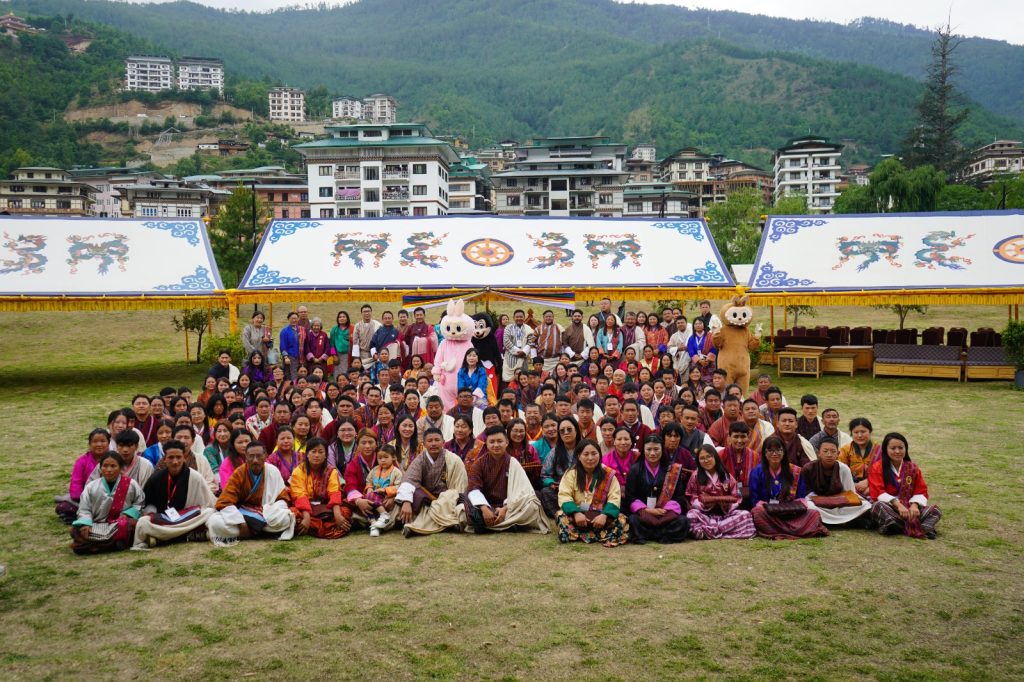
Among them was Mr. Tshering Wangchuk Doya, owner of the Lhop Village Lodge, who reflected on the remarkable journey of his community. He shared how gradual development, beginning with Her Majesty’s renaming of Lotokuchu A, B, and C to Lotokuchu Jigme, Lotokuchu Singye, and Lotokuchu Wangchuk, and followed by housing support and livelihood interventions, has enabled the community to embrace tourism and entrepreneurship.
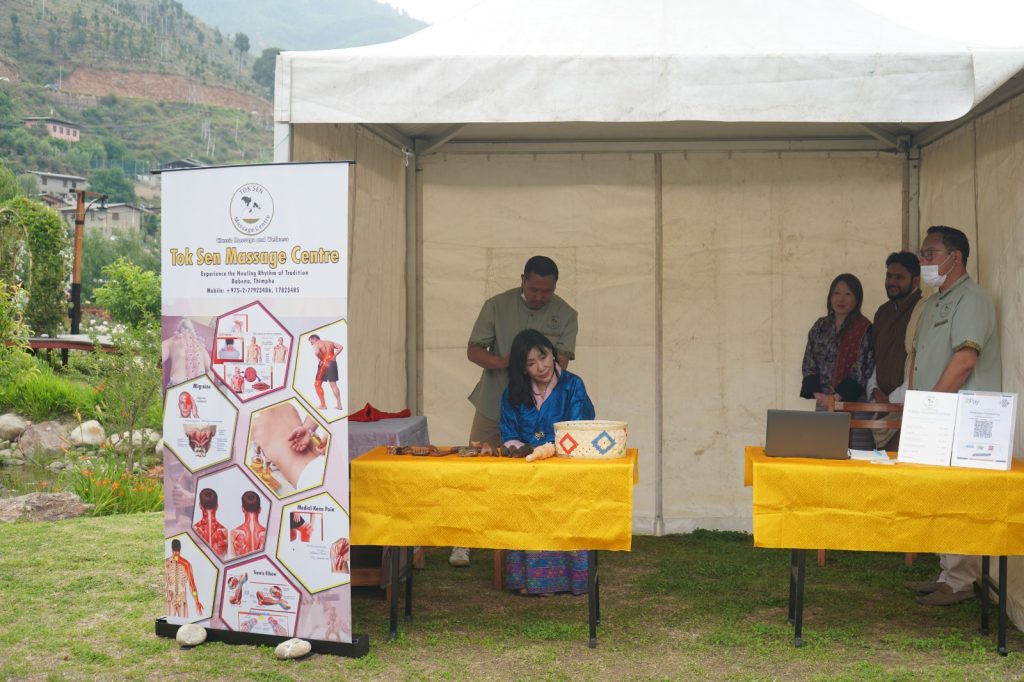
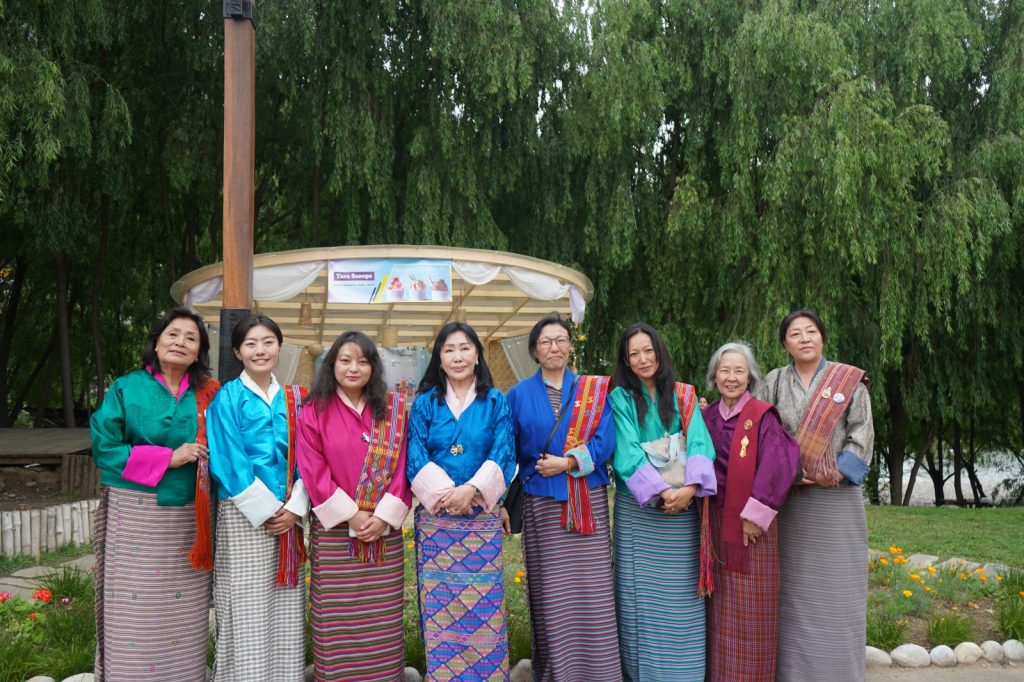
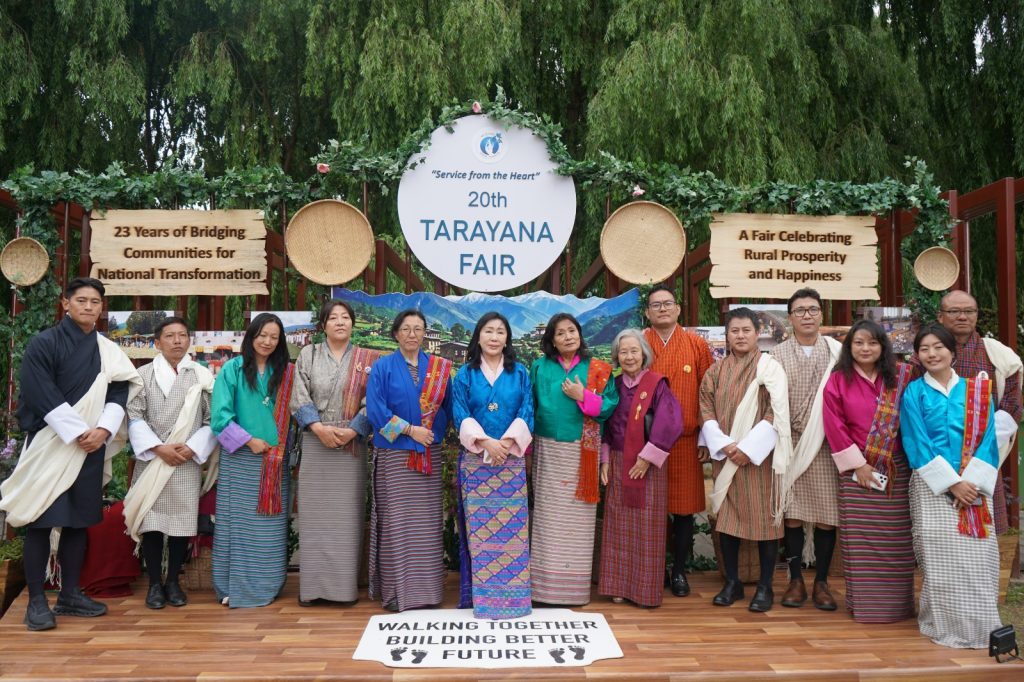
Today, the village lodge he owns welcomes visitors, generates income for local families, creates employment opportunities, and provides a market for locally grown vegetables and community products, demonstrating how community-driven development can create lasting and sustainable impact.
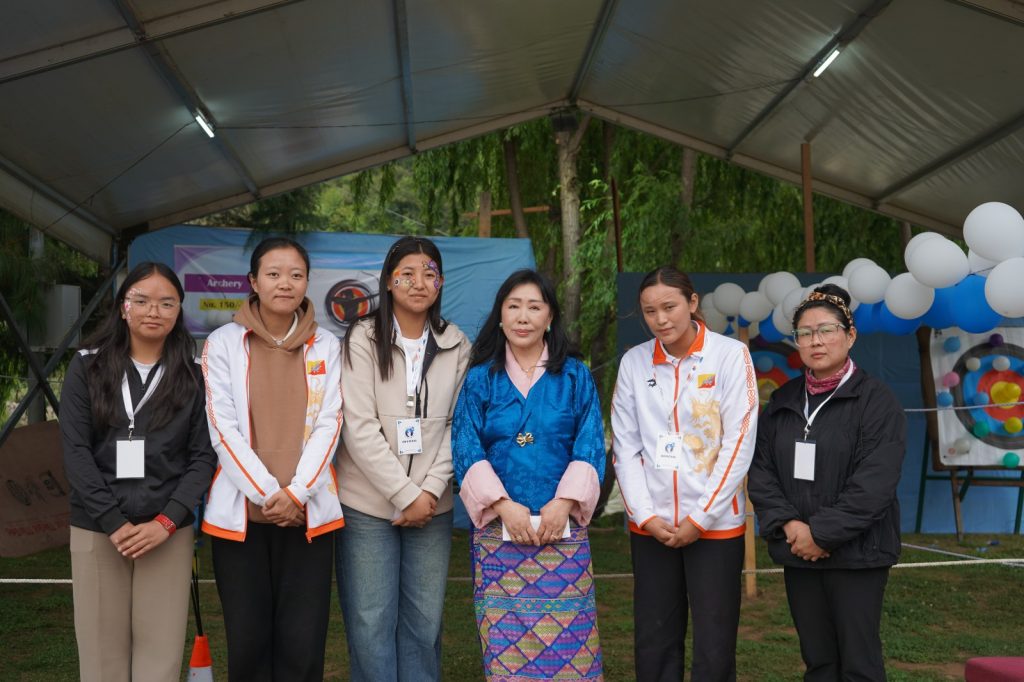
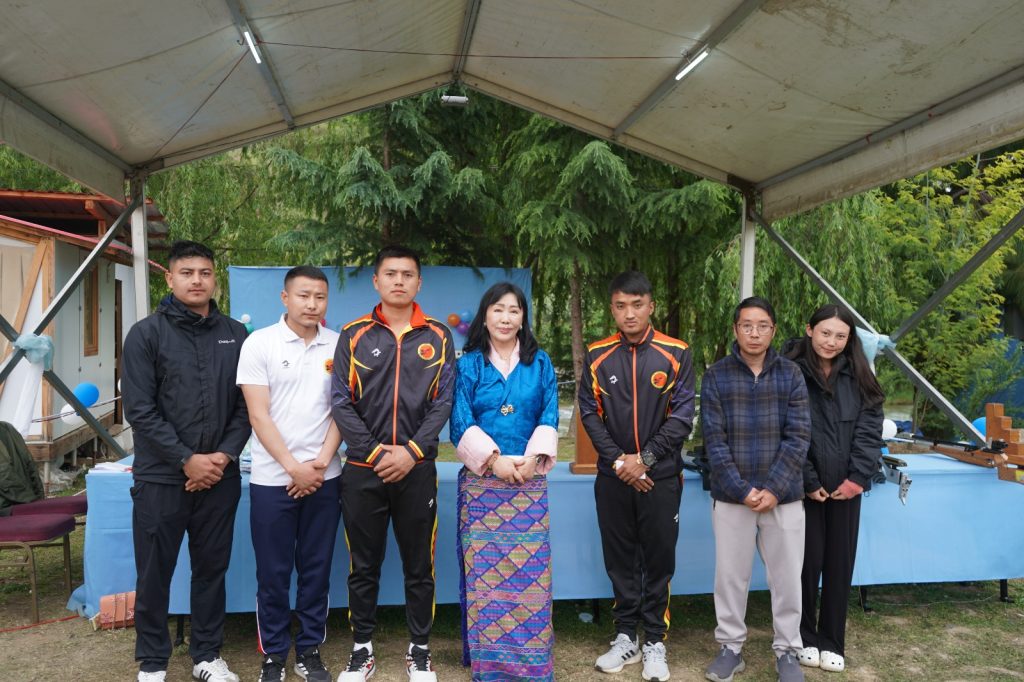
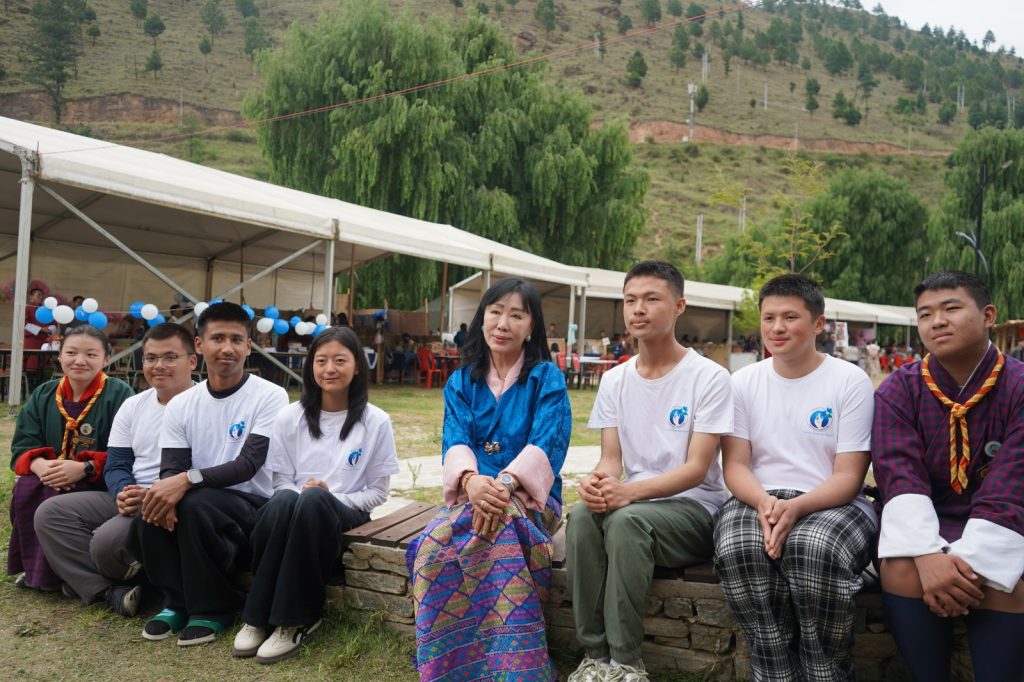
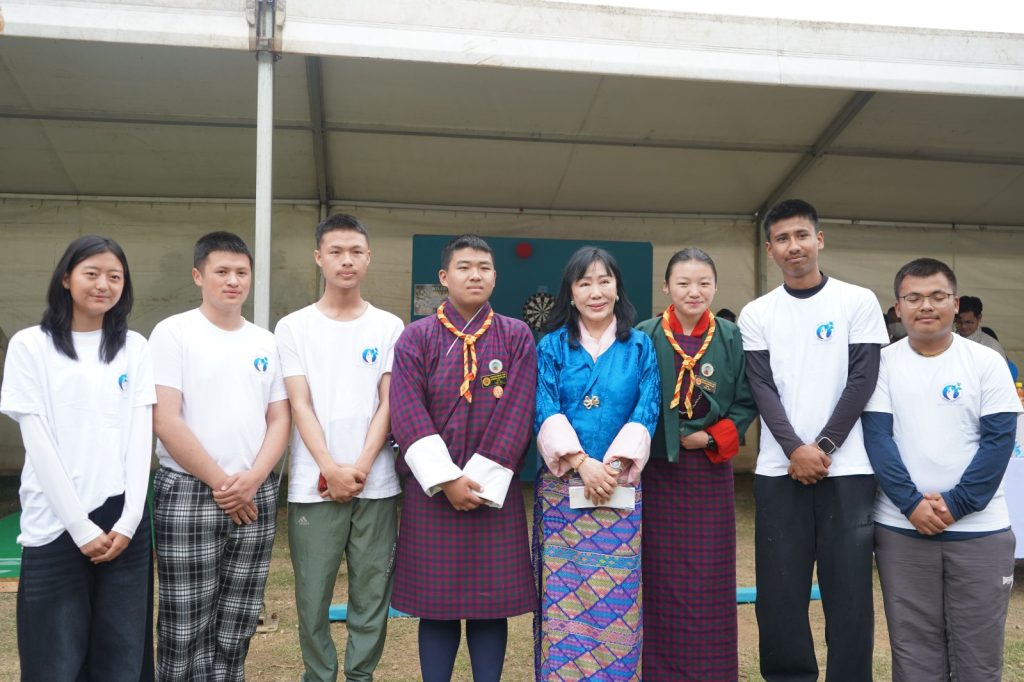
Her Majesty reflected on how fortunate Tarayana Foundation has been to serve some of the most remote and underserved communities in the country. She expressed her happiness in witnessing the positive impact of these efforts and reaffirmed the Foundation’s commitment to continue serving communities according to their evolving needs and aspirations.
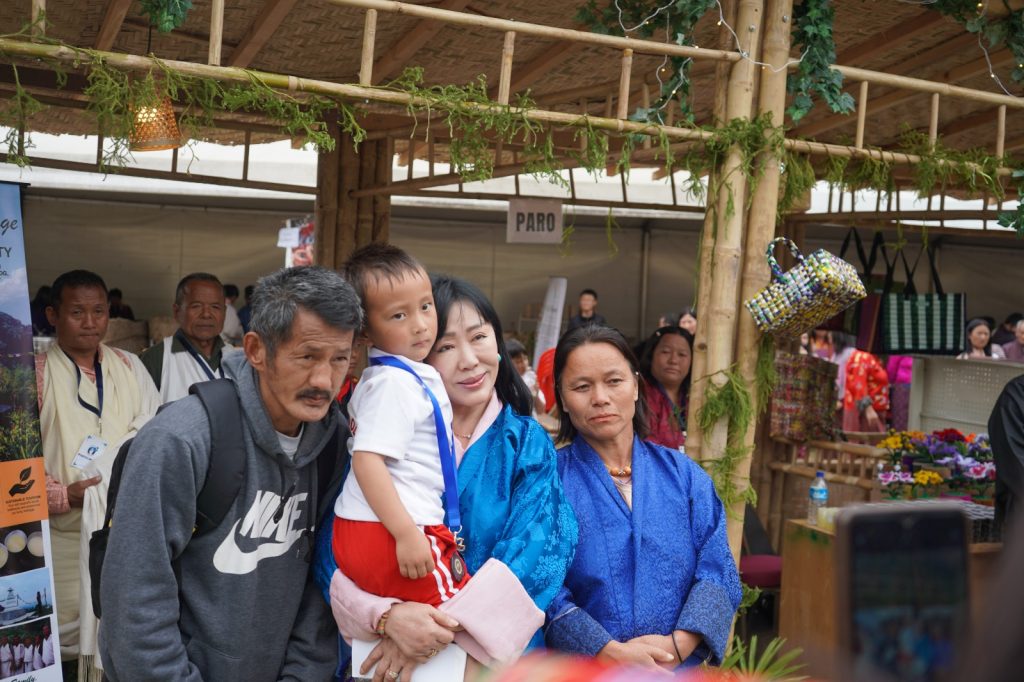
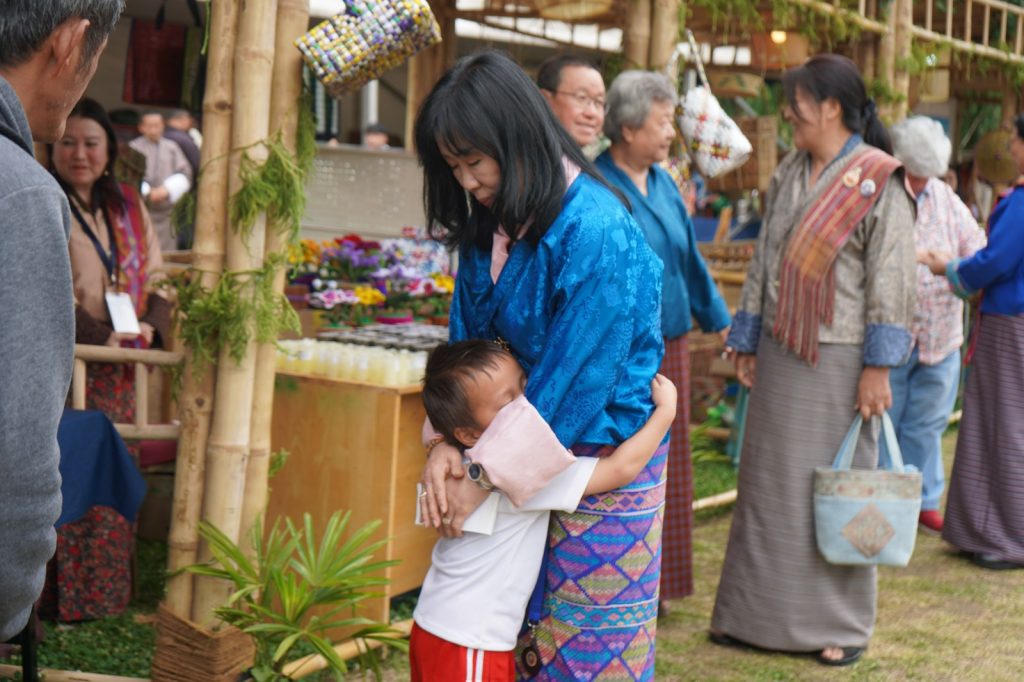
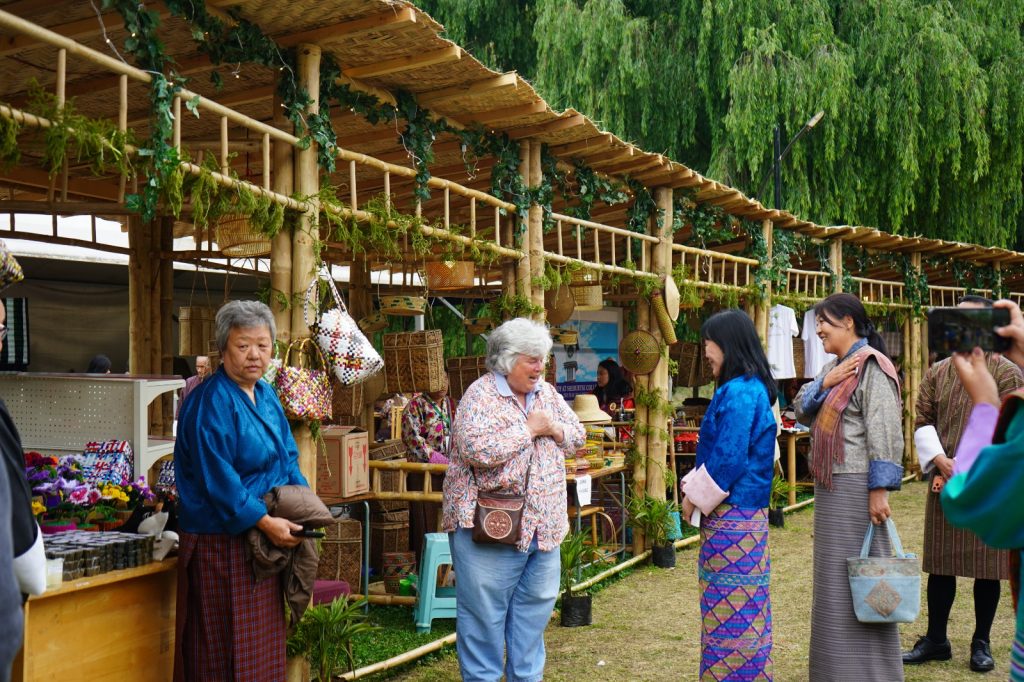
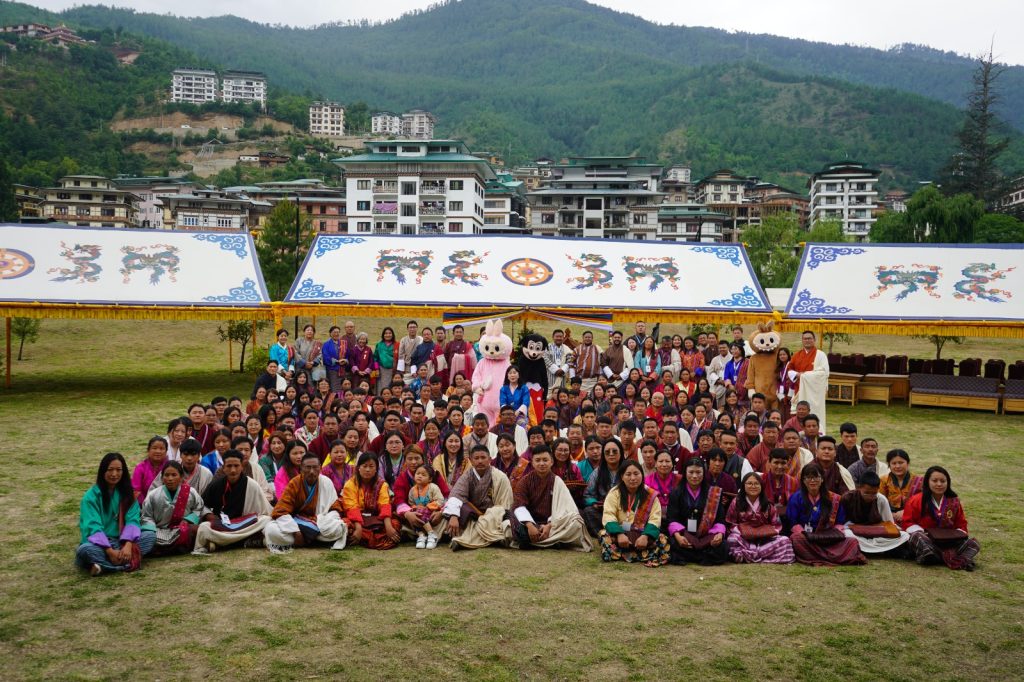
This year’s Fair brings together communities from 16 dzongkhags, including new participants from Pemaling (Samtse), Samtenling (Sarpang), Maetakha (Chukha), and Saling (Mongar), and Bumdeling (Trashiyantse) showcasing the strength, resilience, and rich cultural heritage of rural Bhutan.
Together, these stories remind us that when communities are empowered with opportunities, support, and hope, transformation becomes possible, one family, one village, and one generation at a time.