
Following our earlier update, the HICAS team continued its fieldwork with deeper assessments and consolidation of findings.
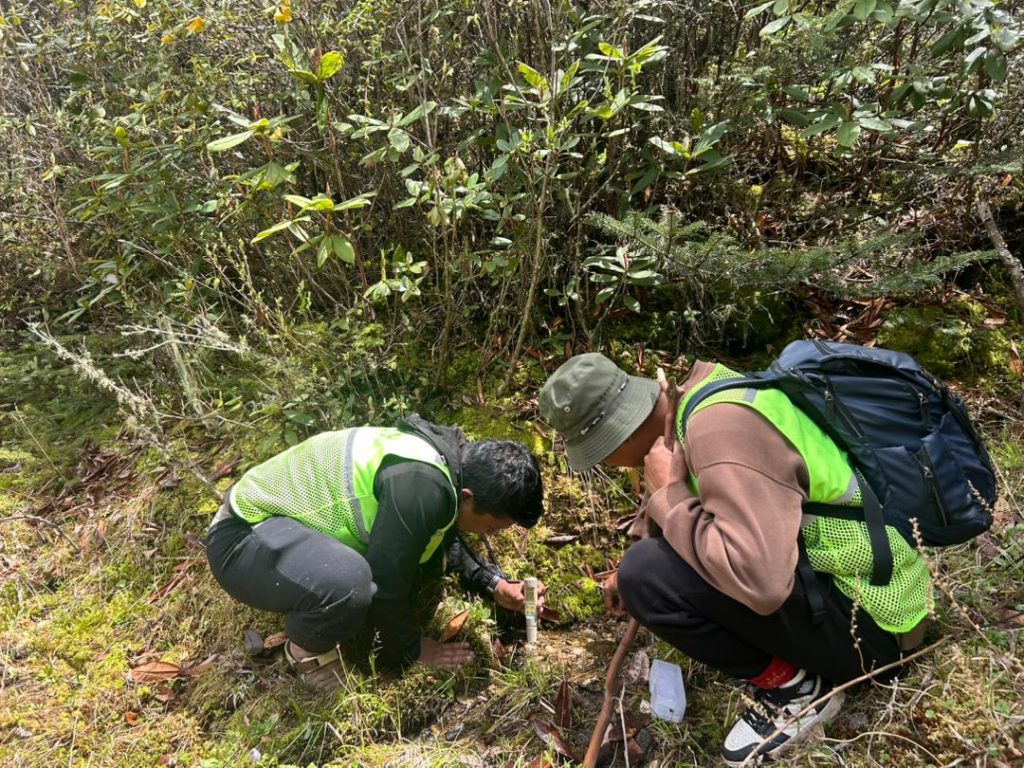
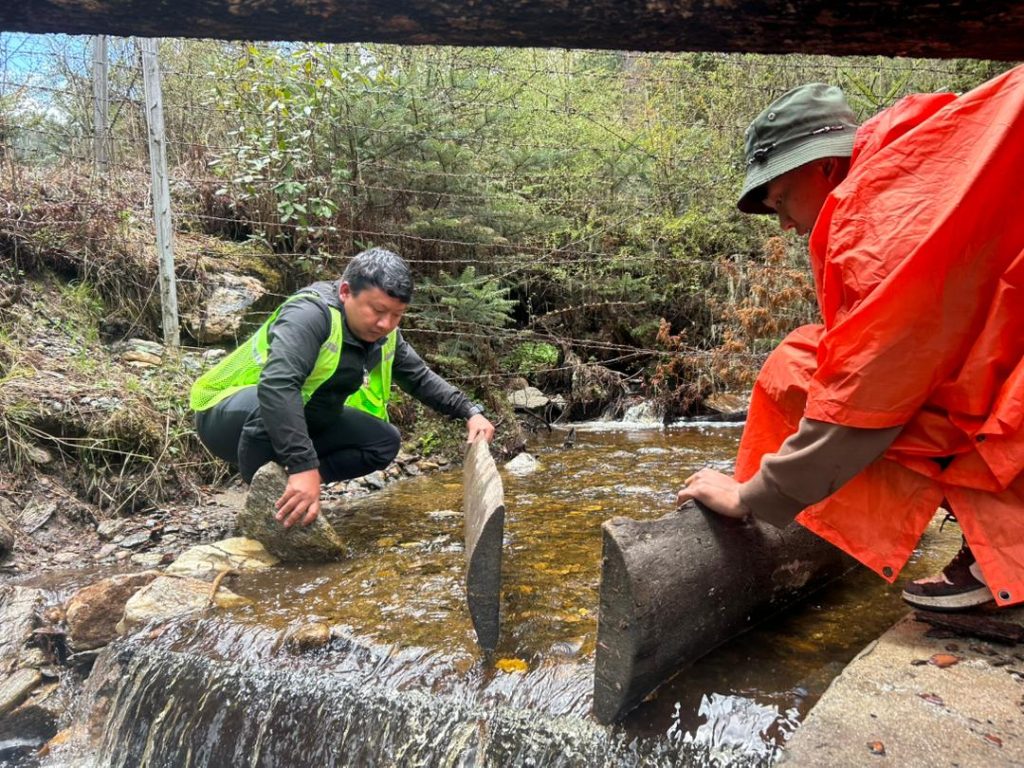
On 1st May, the team divided into two groups to increase efficiency. One team focused on measuring spring discharge and physical parameters of selected spring sources.
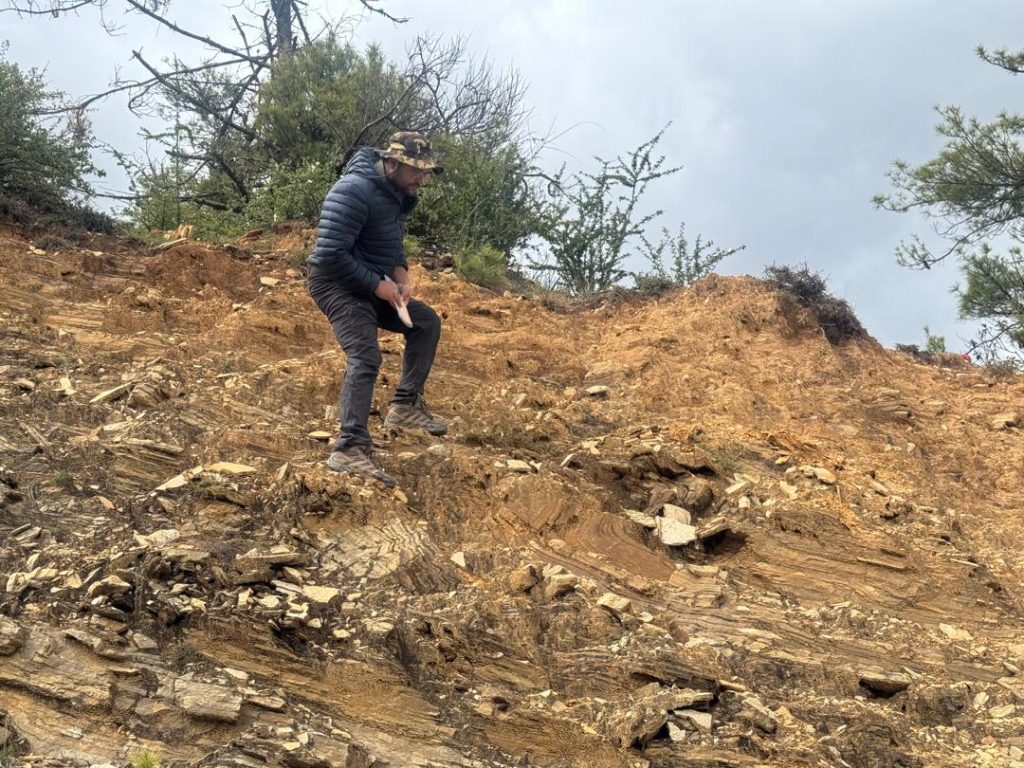
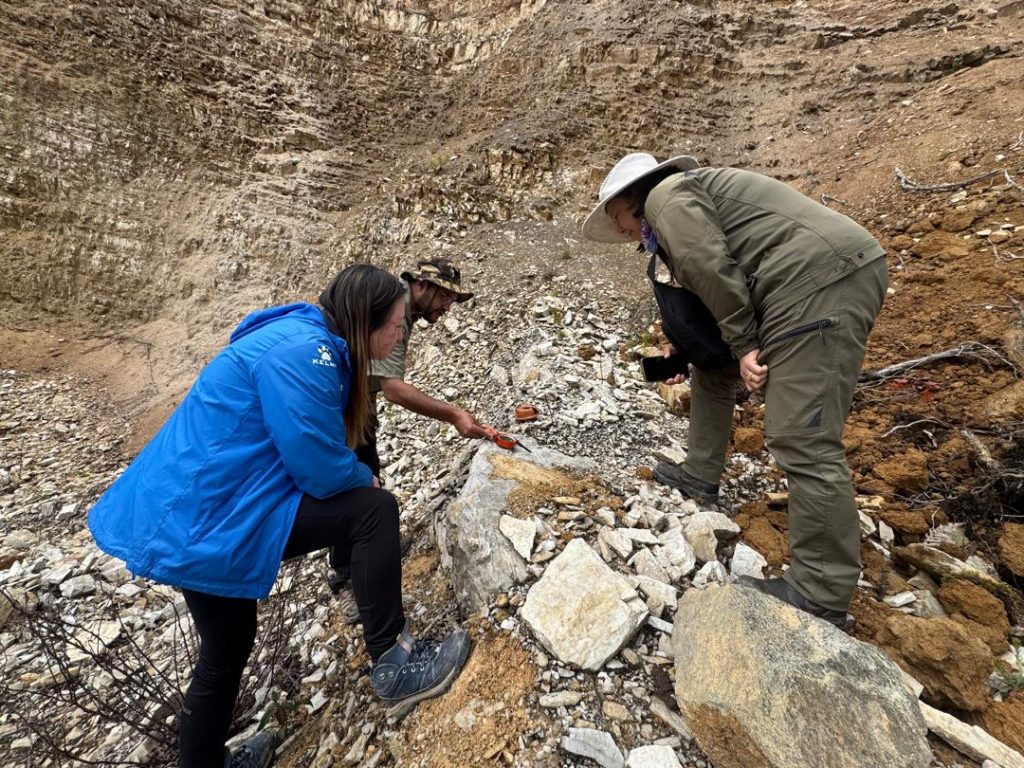
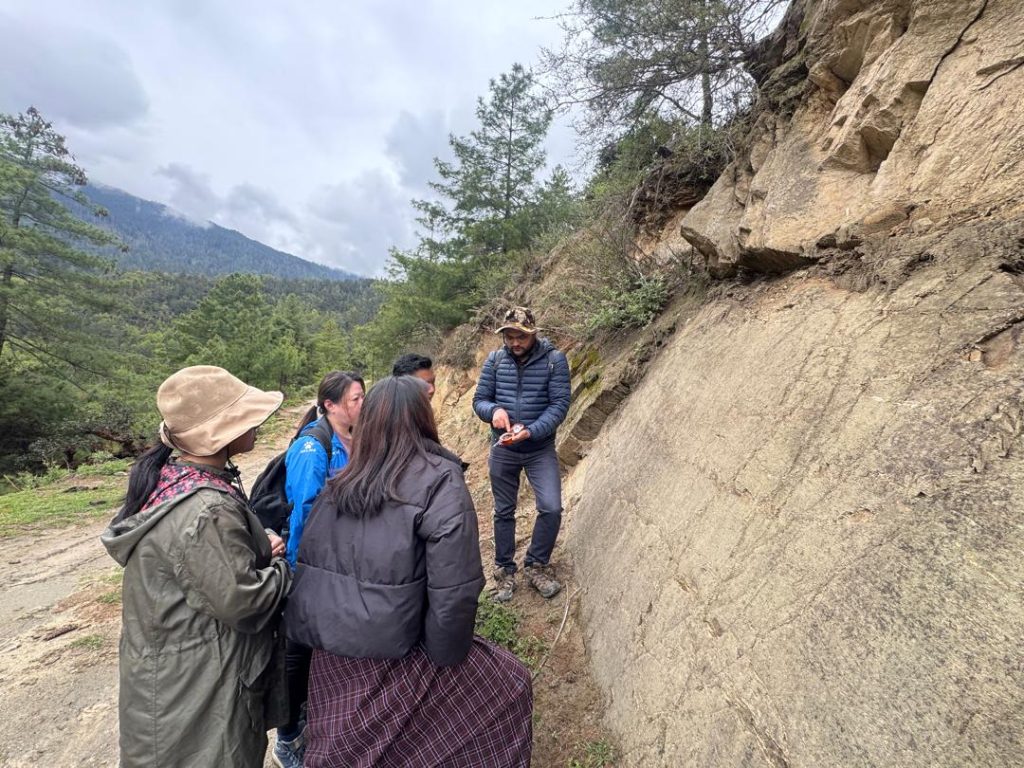
The team conducted detailed assessment of rock outcrops and geological formations along the route from Ugyen Guru Lhakhang towards Pangbisa.
In Nabisa and surrounding areas, detailed observations of rock outcrops and geological formations were carried out to better understand groundwater movement and spring recharge potential. The team also revisited Tili to validate earlier findings and strengthen the overall assessment.
As the fieldwork progressed, the team came together to compile and organize all collected data, ensuring that measurements, observations, and documentation were accurate and complete.
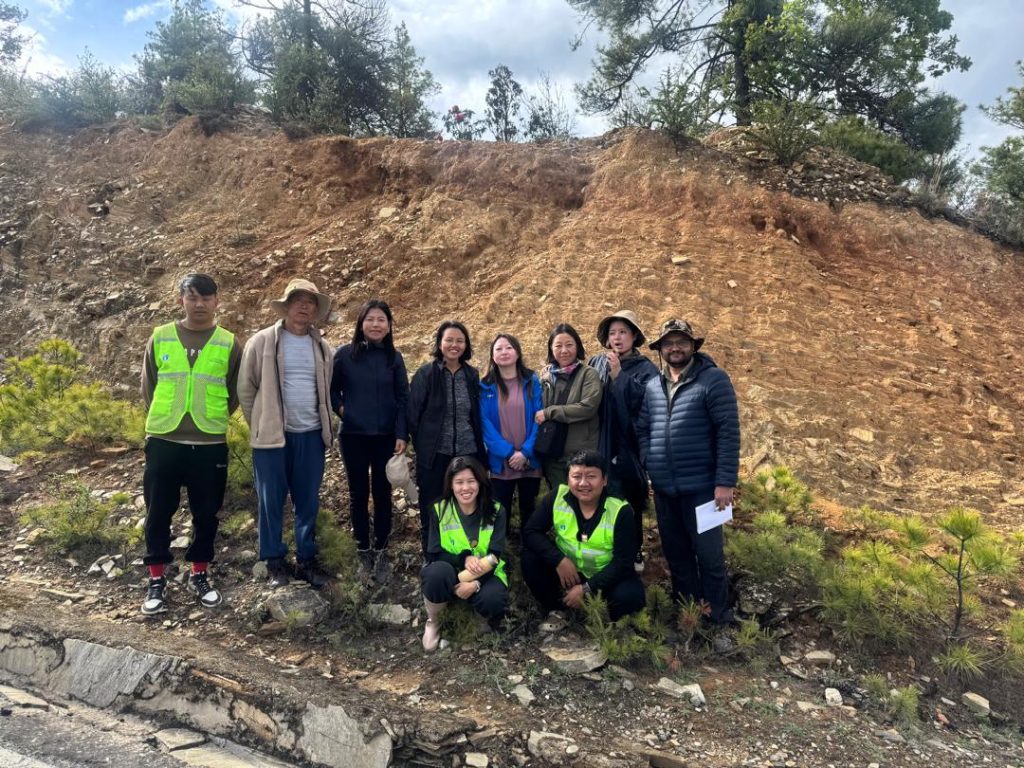
The mission concluded 4th May in Thimphu, where key findings, recommendations, and the way forward were presented to senior management. These insights will play an important role in shaping future interventions for sustainable water management.
This marks another step forward in our ongoing effort to understand and restore vital spring sources, working closely with communities and stakeholders.