
Hands-on housing training in Gakiling brings skills, confidence and new partnerships
For families in rural communities, a home is more than a roof. It is a place of safety, belonging and security. Building homes that can withstand disasters takes stronger materials and better techniques, but it also takes people who have the knowledge and skills to use them well.
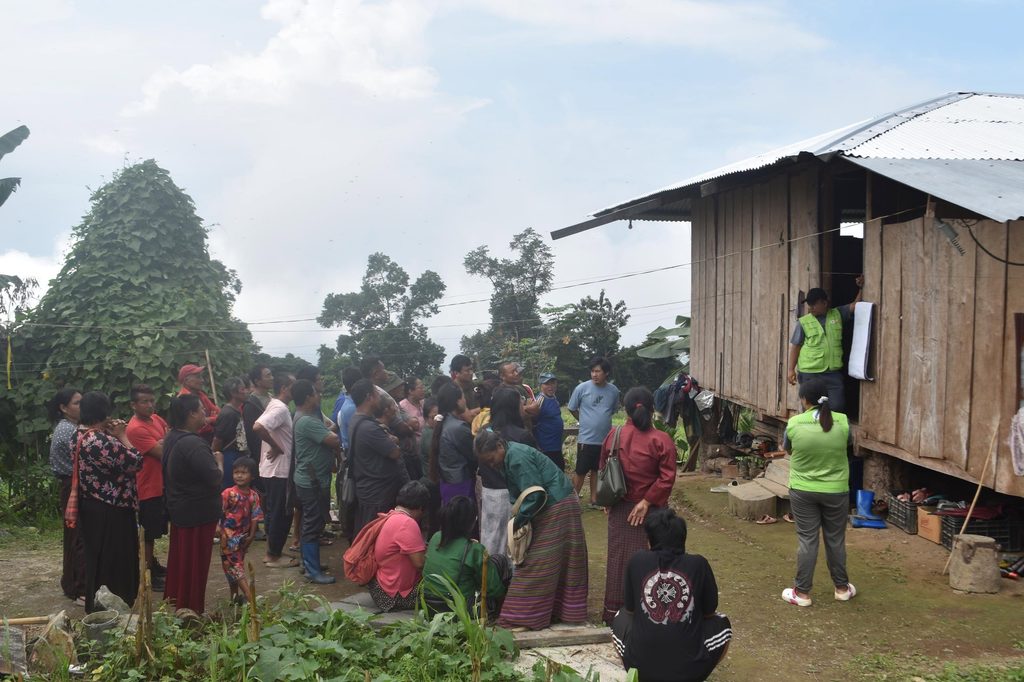
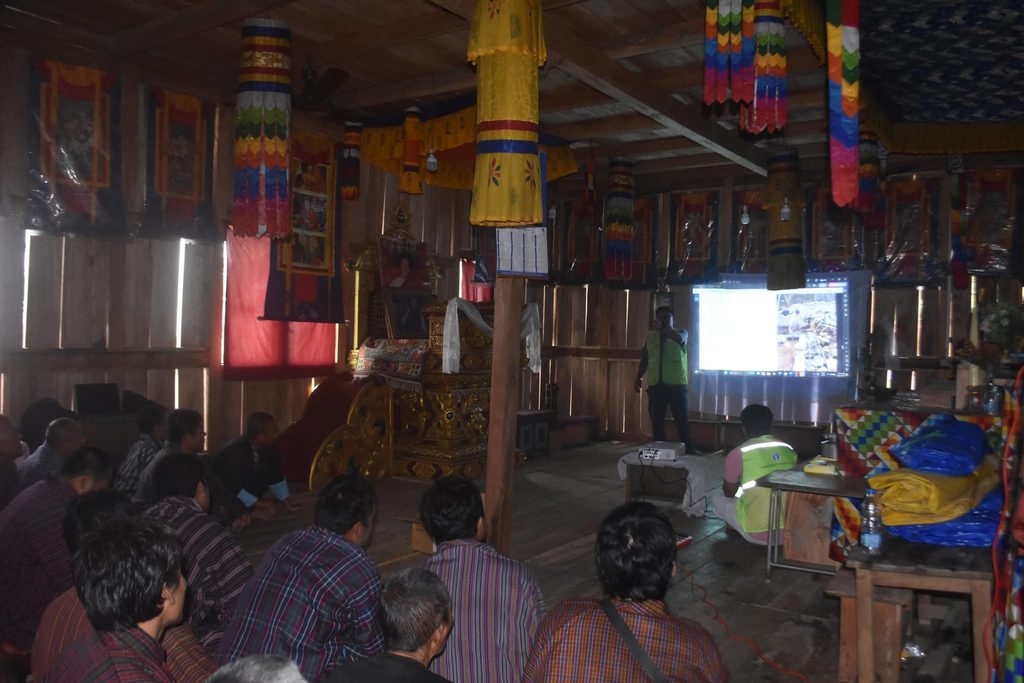
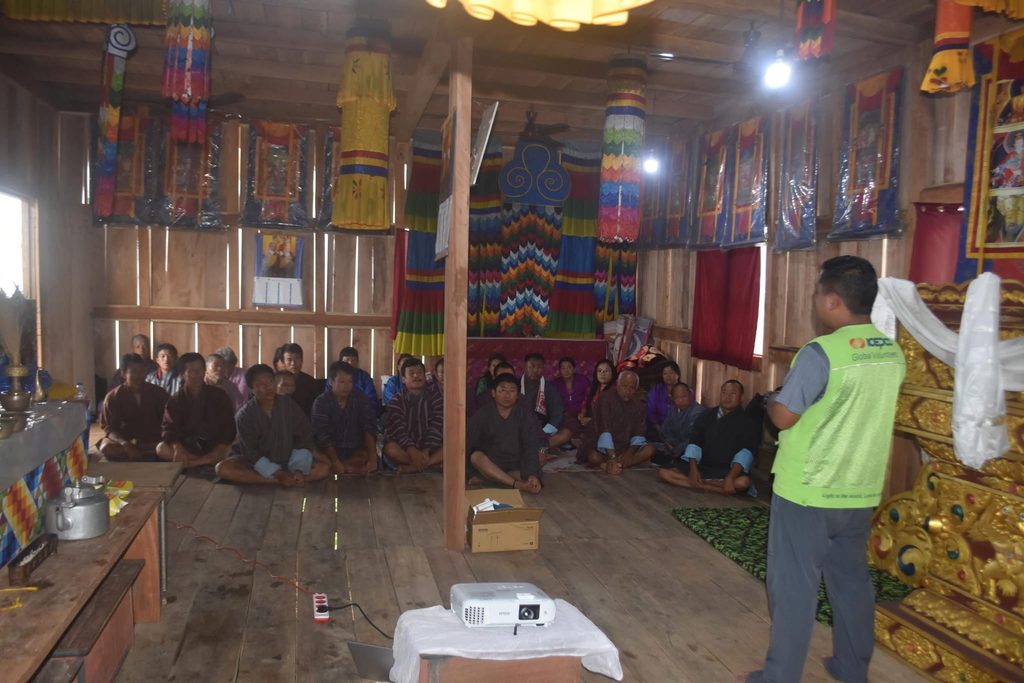
As part of its continued support for safer and more resilient rural communities, Tarayana Foundation, under the Karuna Foundation Project, conducted a week-long Disaster-Resilient Housing Training in Gakiling Village, Dewathang Gewog, Samdrup Jongkhar.
The training brought together 45 community members, 19 women and 26 men, for practical, hands-on learning on techniques that make homes stronger and safer.
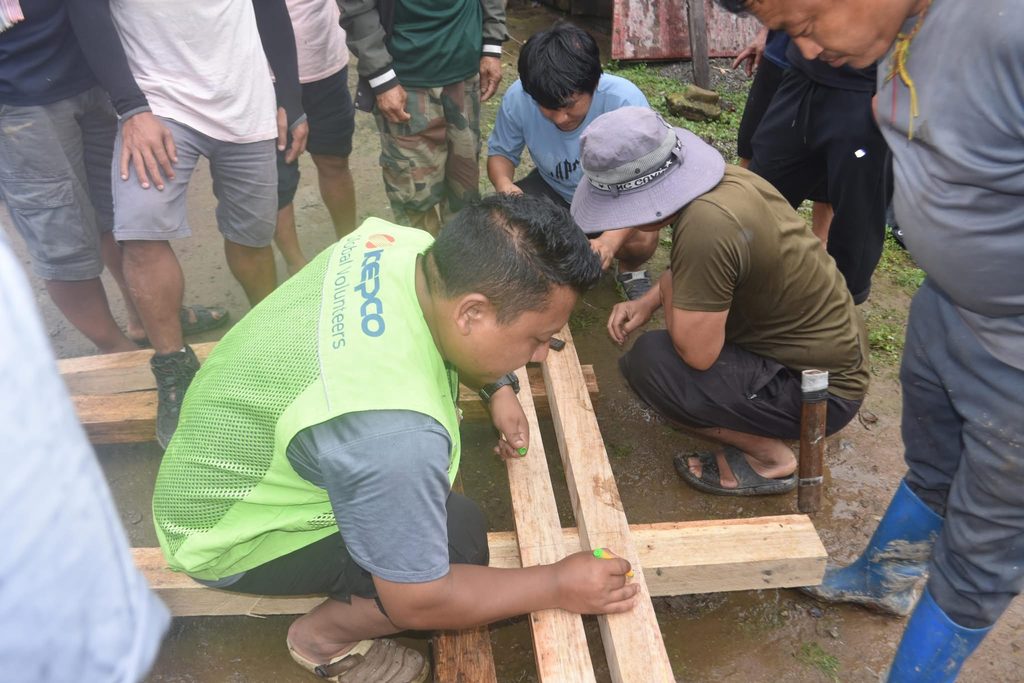
Learning by doing
Participants did not just watch demonstrations. They practised the techniques themselves. They learned to prepare roof trusses and rafters, build window frames and double-glazed shutters, and lay foundations using the triangle method.
For many, the value of the training went beyond individual techniques. Working side by side, participants shared knowledge, learned from one another and saw why careful planning and construction matter when building a disaster-resilient home.
The training also reflected an important part of Tarayana’s approach to rural development: resilience is not built by infrastructure alone. It grows when communities have the knowledge, confidence and skills to shape safer futures for themselves.
Connecting with young engineers
The journey towards resilient housing is also opening doors to new partnerships.
On 1st September, the Foundation’s project team visited Jigme Namgyel Engineering College (JNEC) to explore collaboration on house construction in Rhikhey, including technical support from students. The team also discussed setting up a Tarayana Club at the college, which would give students a platform to engage with community development.
The visit also showed how young people are applying their technical knowledge to practical problems. One example was a solar dryer for cardamom, which shows how student ideas and skills could contribute to rural livelihoods.
Building resilience together
From community members learning to lay stronger foundations to students developing solutions for rural livelihoods, these efforts show the many ways resilience can be strengthened. It comes from bringing together community knowledge, practical skills, technical expertise and partnerships to respond to the challenges rural communities face.
For Tarayana, resilient housing is not only about building stronger houses. It is about helping communities gain the skills, confidence and connections to build safer homes and stronger futures.
When communities have the skills to build better, they are better prepared for what comes next.