
What happens when technical knowledge meets local hands-on experience? Learning becomes action.
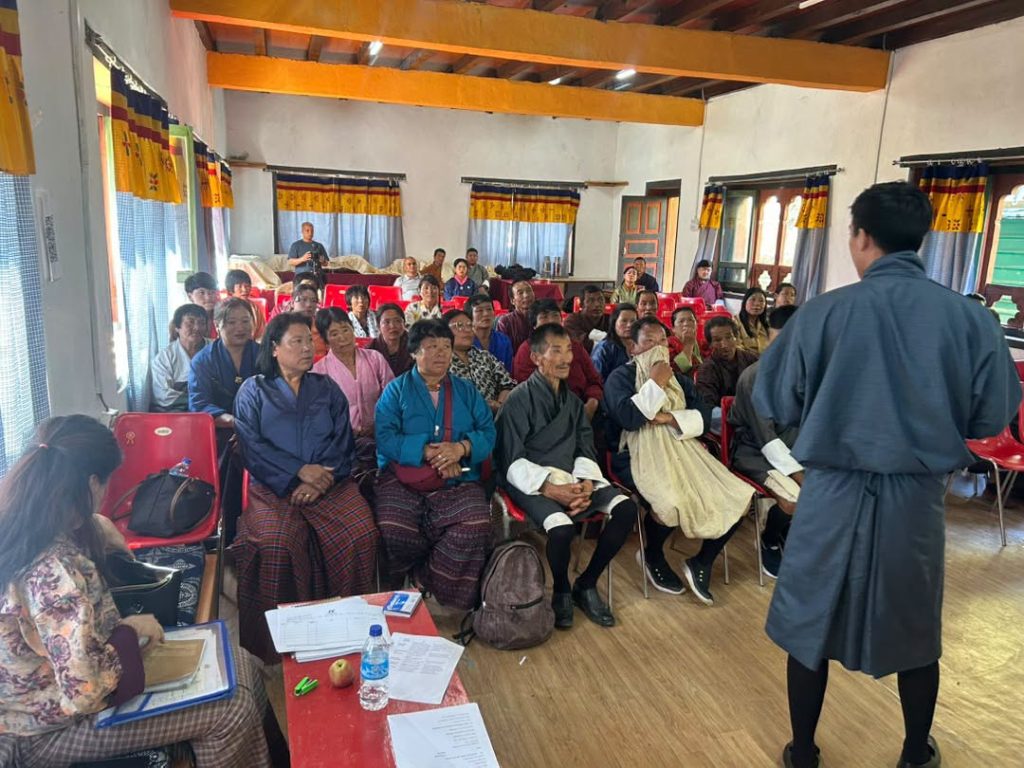
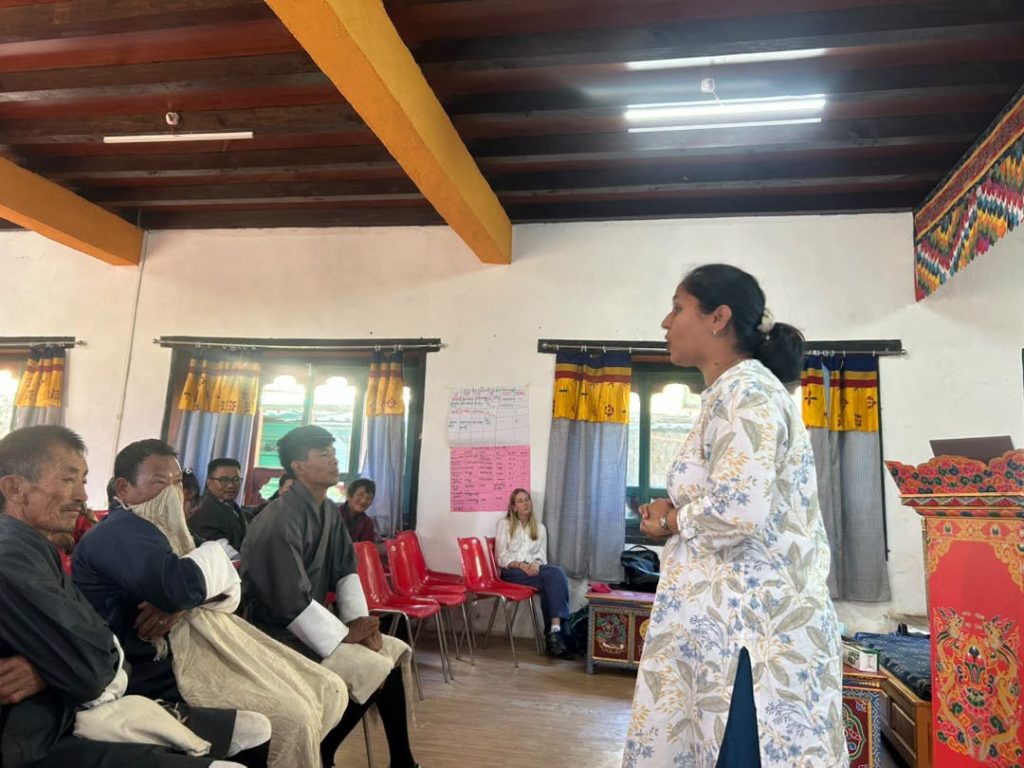
During the recent visit of the ICIMOD team to Bhutan, the Foundation, in collaboration with the technical experts of ICIMOD, conducted a Training of Trainers for selected Community Resource Persons (CRPs) from Tili, Paro, and Yebisa Punakha on Steps 1 and 3 of the GESI-Responsive Springshed Management Protocol under the HI-CAS project.
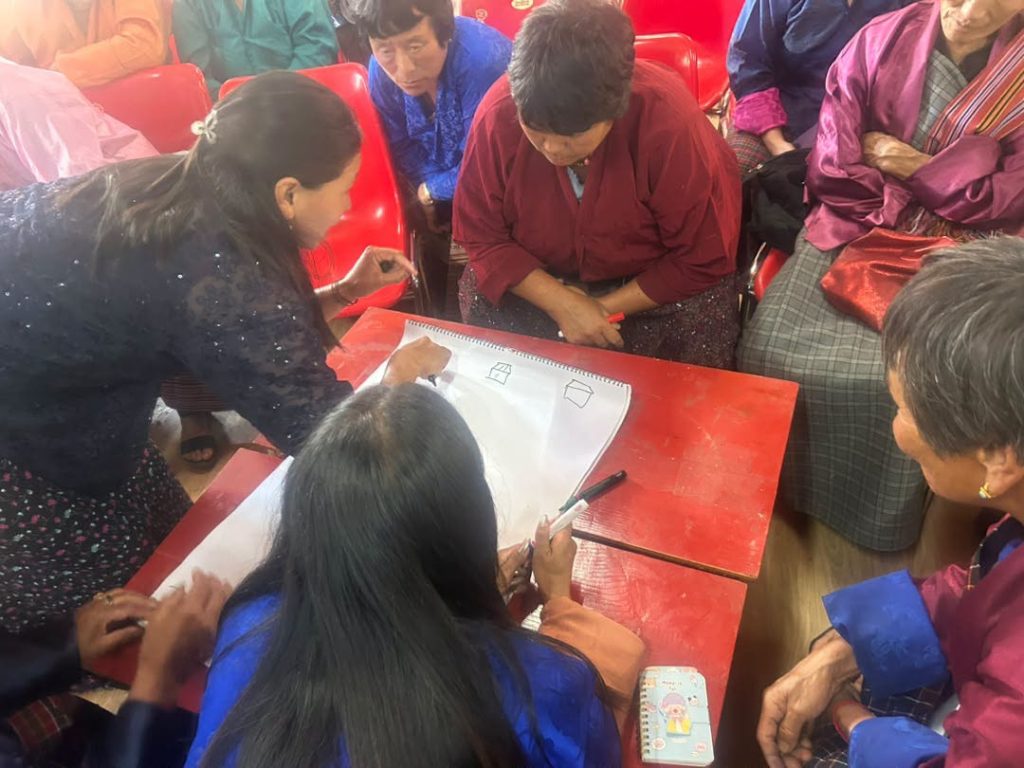
From the classroom to the field, the training brought together mobile-based spring mapping, household surveys, focus group discussions, community interaction, and hands-on fieldwork.
Step 1 – Spring Inventory and Mapping
CRPs learned how to identify spring sources, collect geographic and spring-specific information, and use mobile tools for systematic spring inventory and mapping.
Step 3 – Socio-Economic and Governance Assessment
The training explored how springs connect with people’s everyday lives looking at water dependence, access, gender equality and social inclusion, community participation, governance systems, and the priorities of women and vulnerable groups.
And then came the fieldwork!
With guidance and mentoring from the ICIMOD and Tarayana teams, CRPs put their learning into practice, strengthening their ability to collect reliable, consistent, and comparable data across the HI-CAS pilot sites in Paro and Punakha.
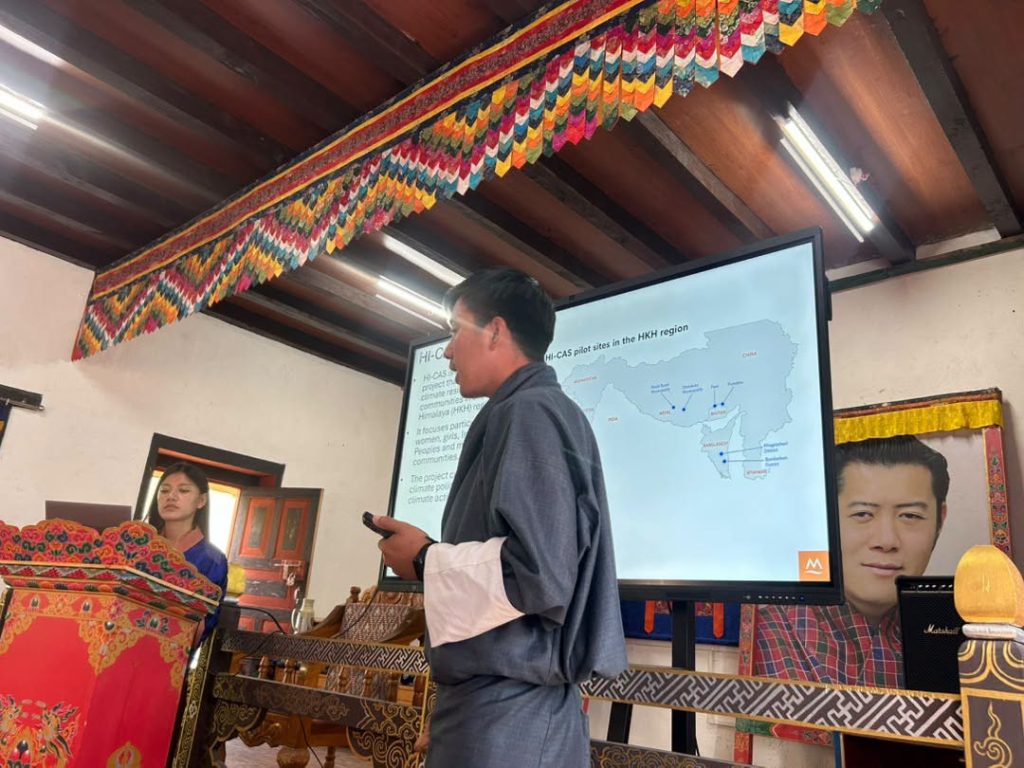
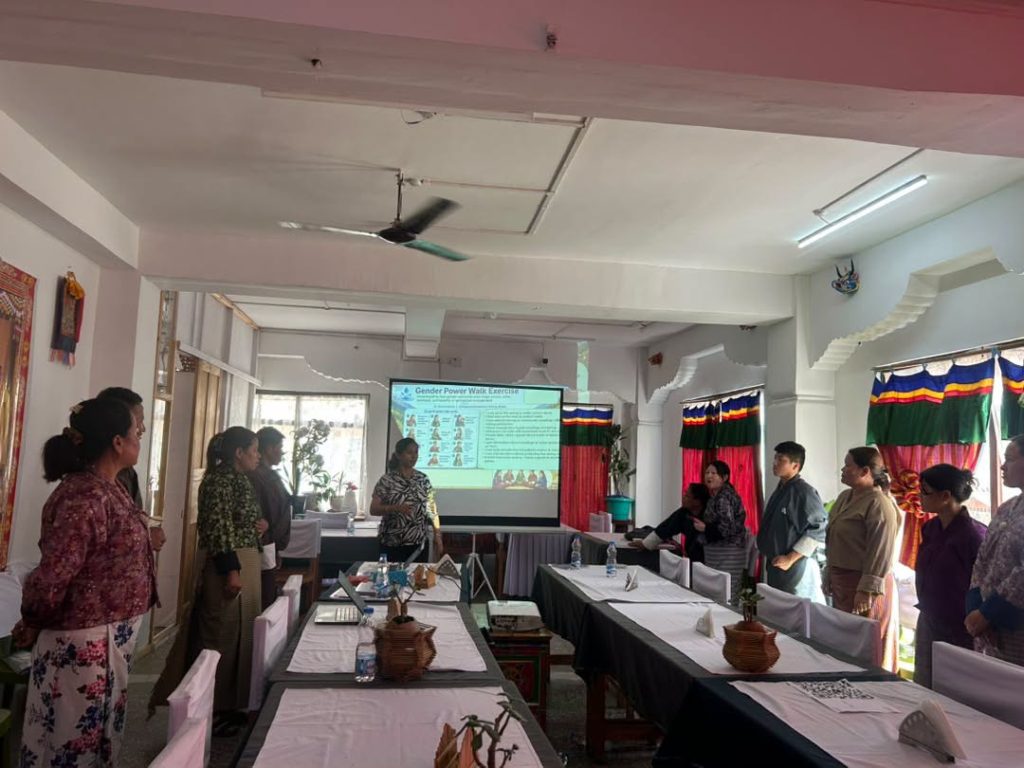
This is more than just data collection. It is about building local capacity, listening to communities, understanding springs beyond their physical source, and laying the groundwork for inclusive and climate-resilient water security.
So, while you’re enjoying your weekend, here’s a little weekend read on the people and learning that are helping strengthen Bhutan’s springshed management journey.