
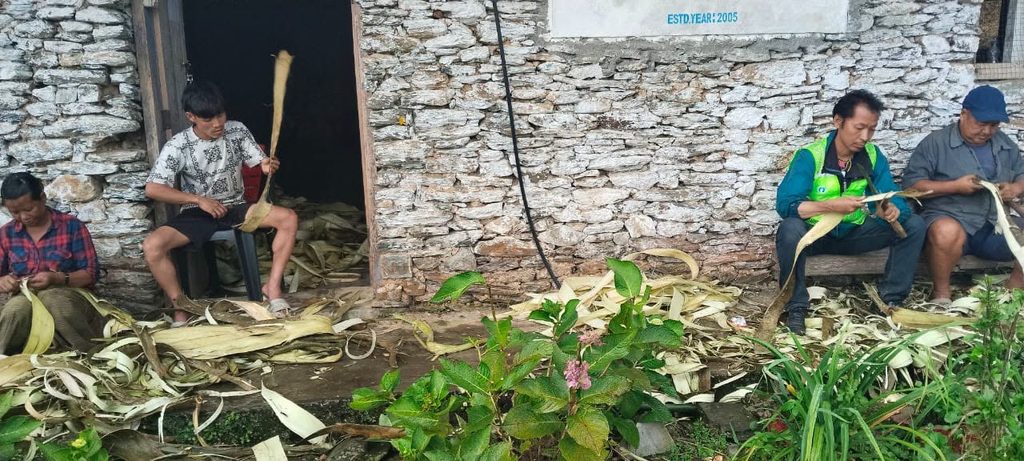
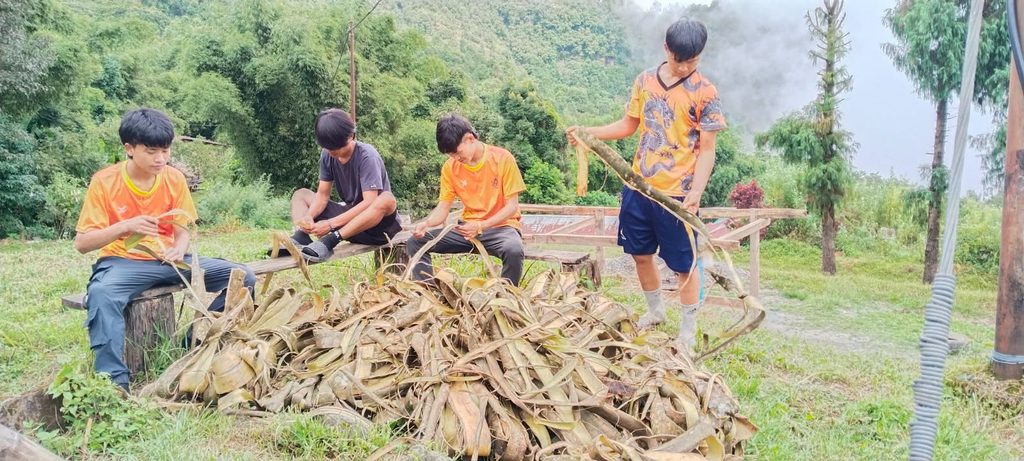
What begins as a locally available natural fibre can become something much more, a sheet of handmade paper, a beautifully crafted booklet, a paper bag, an envelope, or even a new livelihood opportunity.
From 18 to 31 August 2026, communities, especially the youth of Youkha and Jigme villages, spent 14 days learning the traditional craft of Daphne paper-making and value-added paper products in Jigme village, Dophuchen Gewog, Samtse.
The journey began with the basics: removing and soaking Daphne bark, cooking and preparing the fibre, separating and pulping it, and learning the delicate art of forming an even sheet of paper. For many participants, this was their first experience with Daphne paper-making. Each step therefore meant learning, practicing, making mistakes, and trying again.
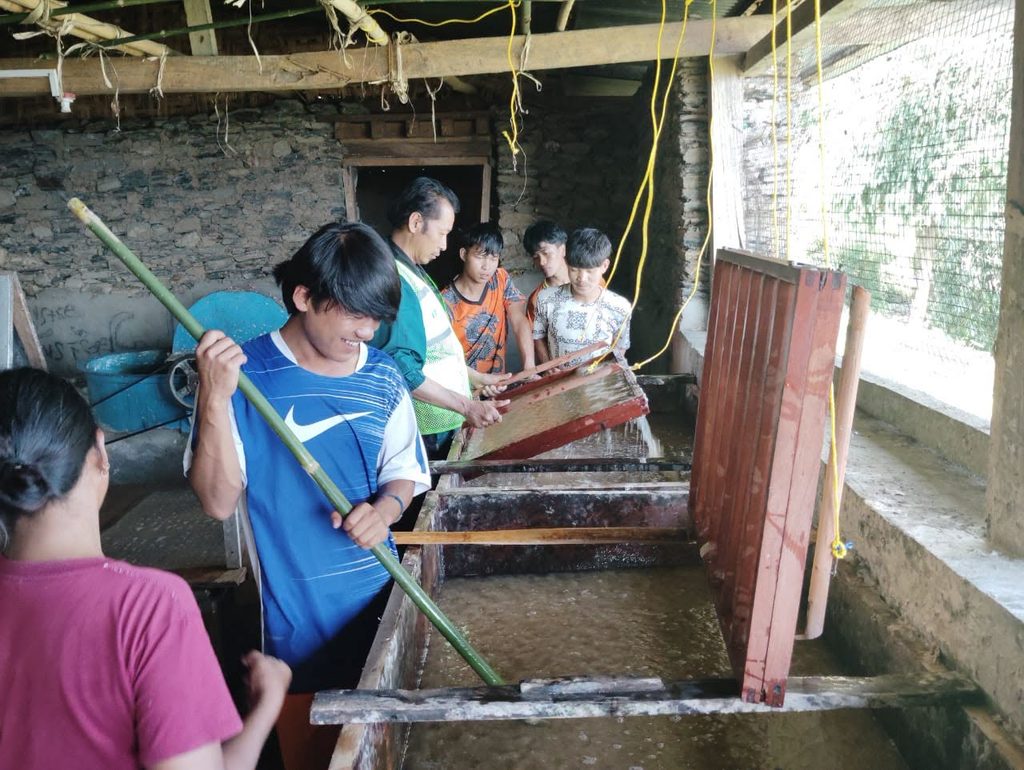
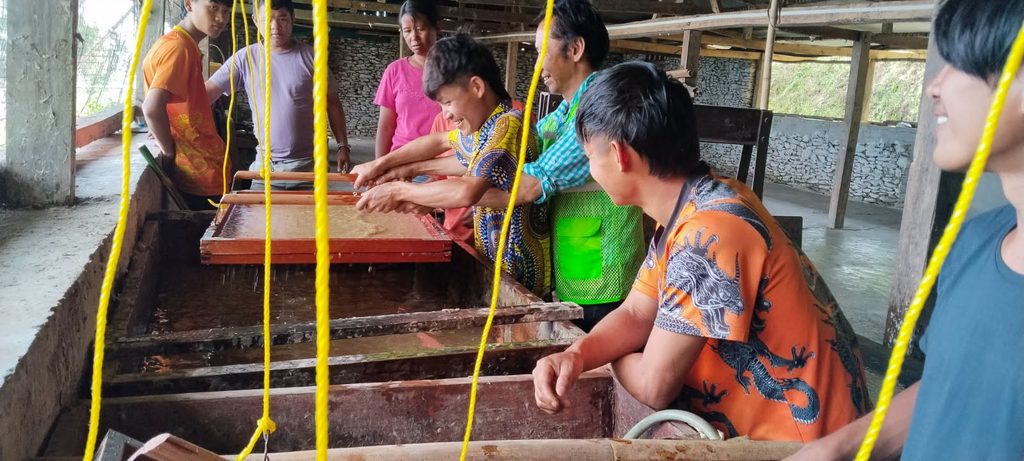
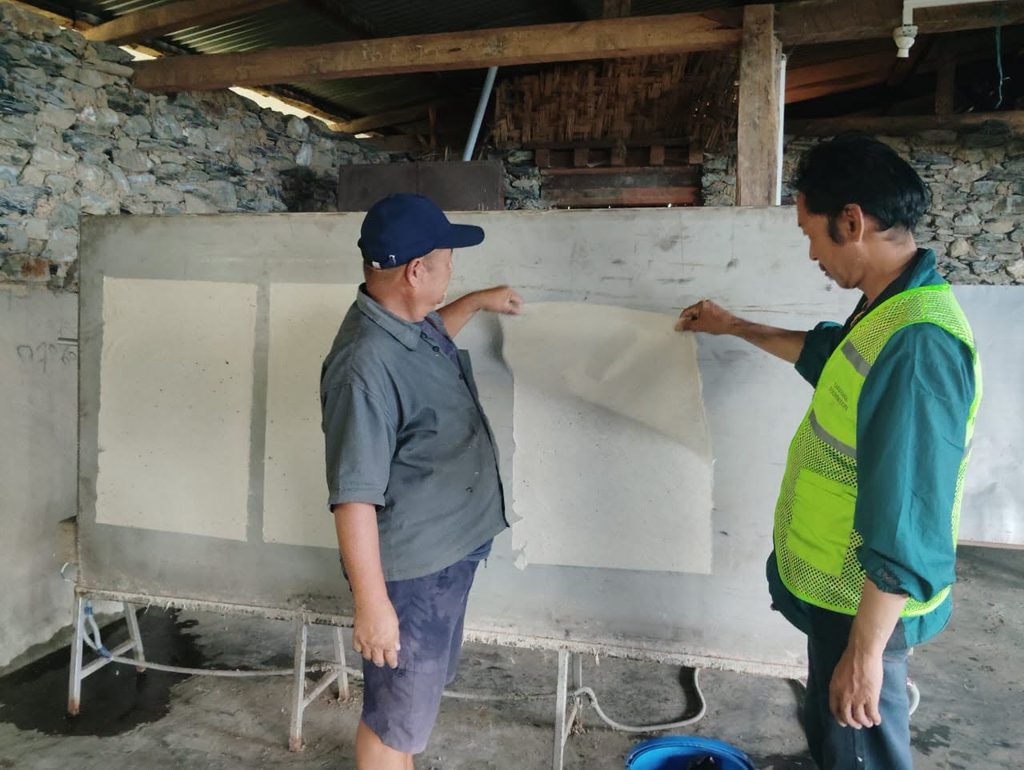
With repeated hands-on practice and individual guidance from the trainer, the participants gradually gained confidence and improved their ability to produce consistent, good-quality sheets. They also learned to bring creativity into the process, adding flowers, grass leaves and colourful threads to create decorative patterns.
And the learning did not stop with making paper. The handmade sheets were transformed into paper bags, booklets and envelopes, demonstrating how traditional skills can be developed into diverse and value-added products. By the end of the training, participants had produced 450 pieces of plain and decorative paper and 150 envelopes, alongside other products.
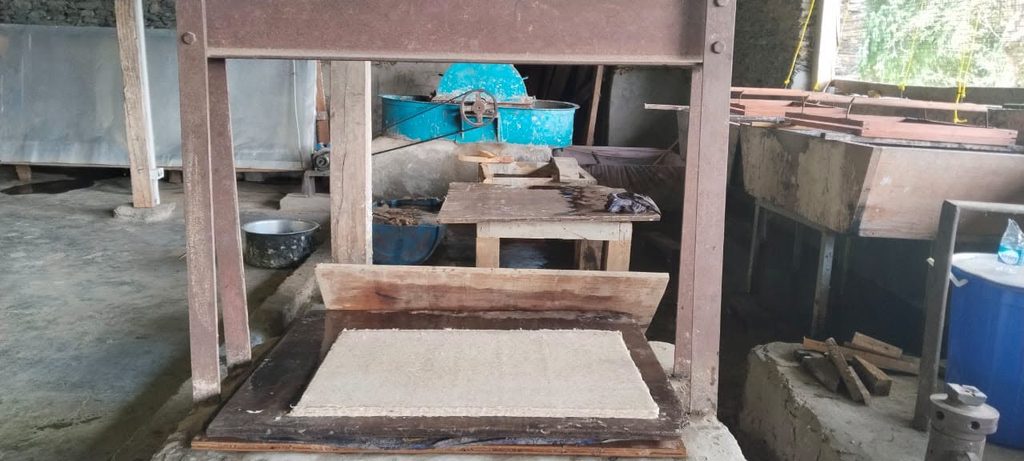
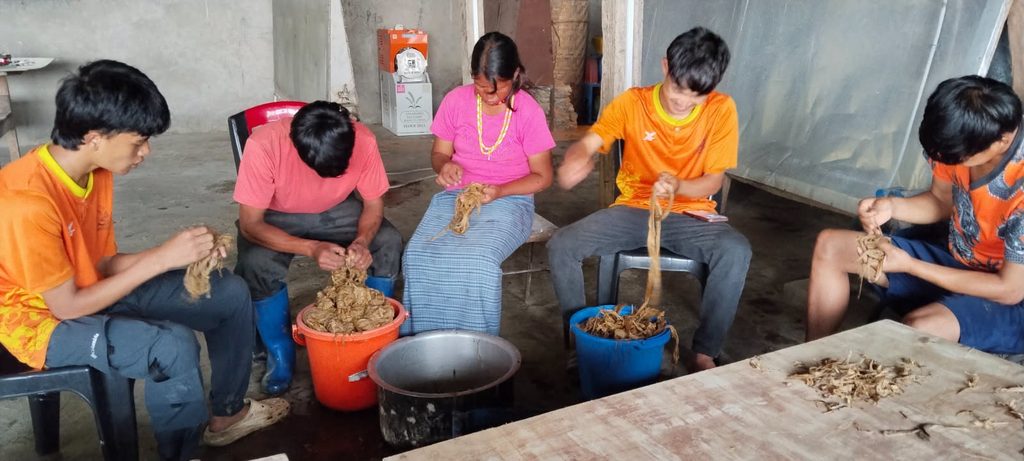
Most importantly, the training connected traditional knowledge with new possibilities, strengthening practical skills, encouraging creativity, and opening pathways to develop environmentally friendly and marketable products from locally available natural fibre.
A simple fibre. A traditional skill. A new possibility. The initiative was carried out under the Living Landscapes project funded by the German Federal Ministry for Environment, Climate Action, Nature Conservation, and Nuclear Safety through the International Climate Initiative (IKI) with support from WWF Deutschland.
In Bhutan, the project is implemented by Tarayana Foundation and WWF Bhutan in close coordination with the Department of Forests and Park Services, and the National Land Commission Secretariat.