
The Sustainable Agri-Food Systems Intelligence – Science-Policy Interface (SASI-SPI) is a European Union-funded project implemented by AGRINATURA. The project aims to support the transition towards more sustainable food systems by bringing together communities, researchers, policymakers and young people. Bhutan is one of three pilot countries, alongside Colombia and Sierra Leone, where the project works to encourage youth participation, strengthen collaboration between research and policy, and explore locally relevant solutions for a more sustainable agri-food future.
Taking the Research to Communities
The SASI-SPI project has completed its first round of workshops and field activities in four selected Gewogs in Bhutan: Shaba and Dogar in Paro Dzongkhag, and Ngangla and Trong in Zhemgang Dzongkhag.


The first workshop and field activities with communities in Ngangla Gewog were conducted from 27 September to 4 October 2026. The fieldwork was supported by technical experts from CIRAD (French Agricultural Research Centre for International Development / Centre de coopération internationale en recherche agronomique pour le développement), France, who worked alongside the Tarayana Research Team.
Following this, similar workshops and field activities were conducted in the other three Gewogs by the TCRD Team from Tarayana Foundation, with the first round of activities completed on 7 November 2026. In each Gewog, the activities included three days of workshops followed by four days of field visits. The workshops brought together community members, local government officials, extension officers and youth groups at their respective Gewog centres. The team also visited communities that could not participate in the workshops due to their distance from the Gewog centres, as well as various youth groups and cooperatives.


Engaging Youth and Understanding Their Aspirations
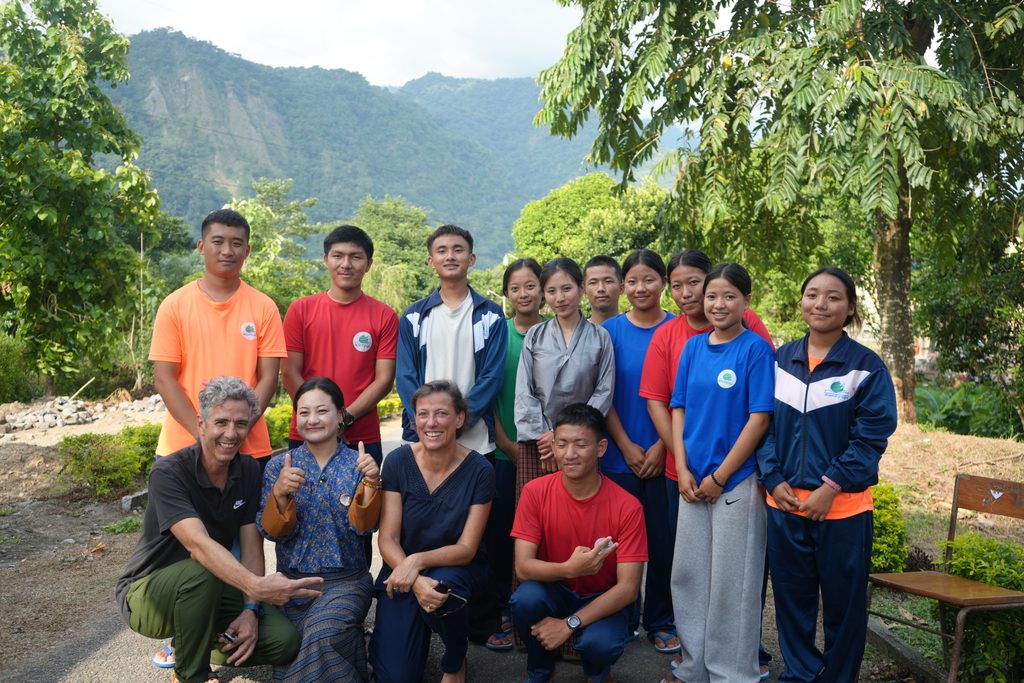
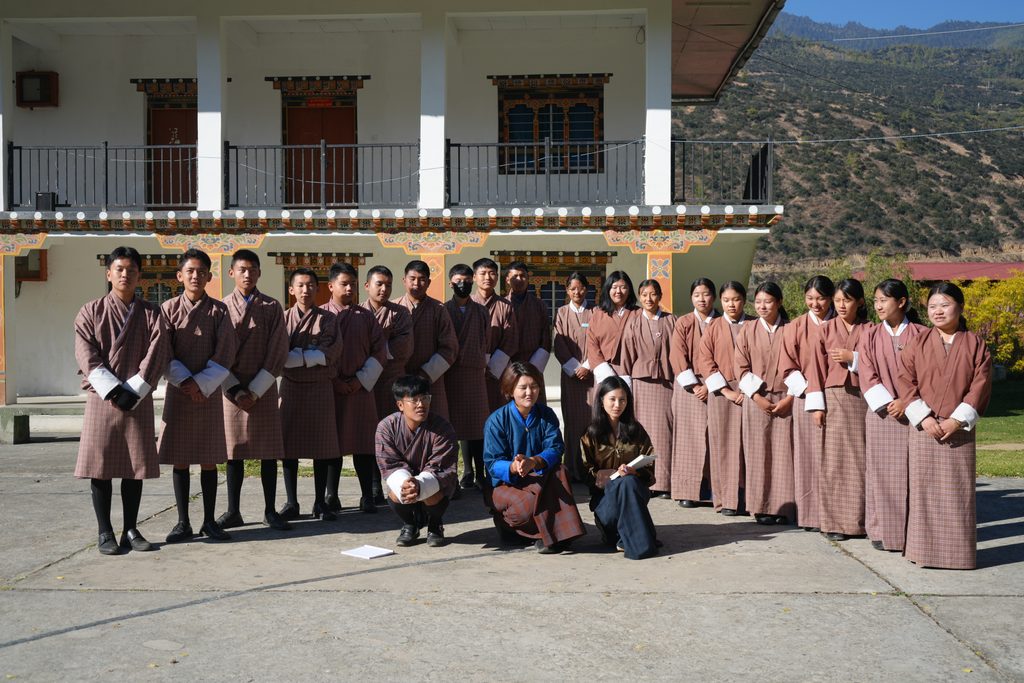
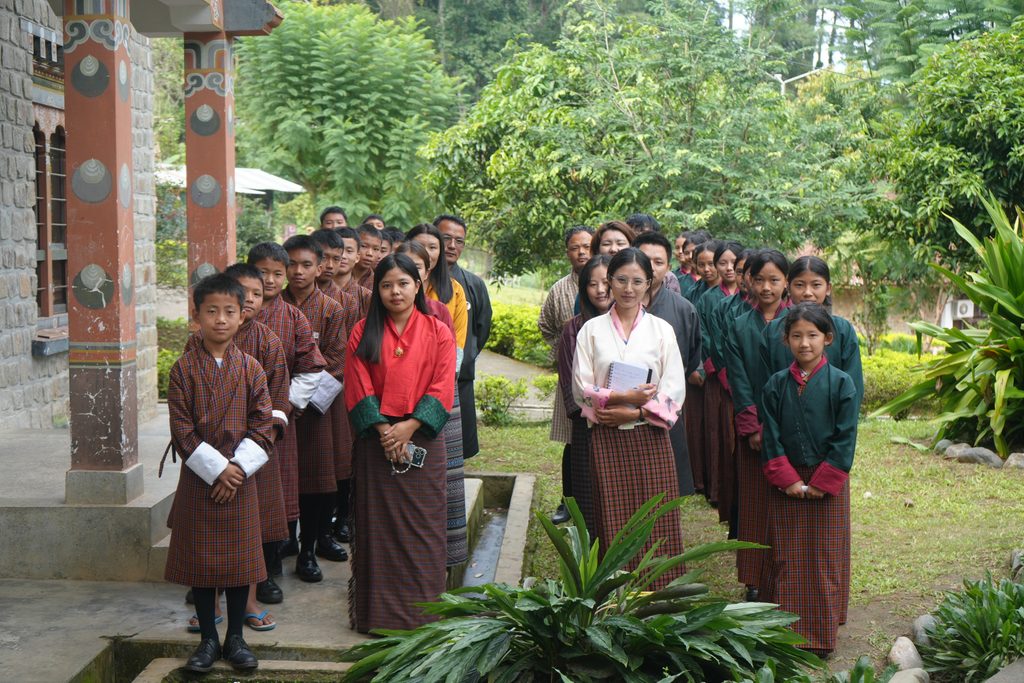
In addition to the community workshops, the team also conducted sessions with students from different schools in each Gewog to understand young people’s aspirations and their engagement in agri-food systems. These interactions provided an opportunity to hear young people’s perspectives and understand their interests in the food and agriculture sectors.

Understanding Community Livelihoods and Food Practices
Throughout the workshops and field visits, information was collected on various aspects of community livelihoods and local food systems. Discussions covered livelihood activities and changing trends, migration patterns, and food practices and trends within the communities.
Seasonal calendar mapping was also carried out to understand the communities’ activities and work schedules throughout the year. These participatory exercises further provided an opportunity for community members to identify and discuss the challenges they face in their livelihoods and local food systems.
Moving Towards Sustainable Agri-Food Systems
The first round of workshops and field activities has provided valuable insights into the experiences, priorities and challenges of communities across the four Gewogs. By bringing together community members, young people and local stakeholders, SASI-SPI aims to build a better understanding of Bhutan’s agri-food systems and explore solutions that reflect local needs and realities. These engagements mark an important step towards strengthening community participation and supporting a more sustainable agri-food future in Bhutan.